
TLDR:
Panic attacks peak in 10 minutes and resolve in 20 to 30, but chest pain and racing heart can feel identical to a heart attack.
If you're unsure whether it's panic or cardiac, treat it as cardiac until a clinician says otherwise.
Slowing your exhale activates the parasympathetic nervous system and can reduce physical intensity during an attack.
Panic disorder develops when recurring attacks start shaping avoidance behavior, not from a single episode.
Legion Health treats panic disorder in Texas adults through psychiatric evaluation and medication management when appropriate.
You're sitting at your desk or lying in bed, and suddenly your heart starts pounding so hard you can feel it in your throat. Your chest tightens, you can't get enough air, and you're sure something is seriously wrong. These panic attack symptoms arrive without warning and feel so much like a heart attack that many people end up in the ER trying to figure out what's happening. The confusion is understandable: what a panic attack feels like overlaps directly with how people describe cardiac events, and knowing the difference between a panic attack and a heart attack in the moment is nearly impossible without medical evaluation. The physical sensations are real, the fear is valid, and understanding what's driving them can help you know when to seek care and what to expect if it happens again.
What a Panic Attack Feels Like
A panic attack can arrive without warning. Your heart starts racing, your chest tightens, and within seconds, you feel like something is seriously wrong. Many people describe it as a wave of pure terror with no obvious cause.

The physical symptoms are what catch most people off guard. Mayo Clinic describes panic attack symptoms in detail:
Rapid or pounding heartbeat that can feel irregular or alarmingly forceful
Chest tightness or pressure that is hard to distinguish from cardiac pain
Shortness of breath or the feeling that you cannot get enough air
Dizziness, lightheadedness, or a sense that you might faint
Tingling or numbness in the hands, feet, or face
Sweating, chills, or hot flashes that seem to come from nowhere
Nausea or an unsettled stomach
Alongside the physical experience, there is usually an intense psychological layer similar to what people describe during anxiety attacks. Many people feel a sudden, overwhelming sense that something catastrophic is about to happen, or that they are losing control. Some describe a strange detachment from their surroundings, as if they are watching themselves from outside their own body.
Most panic attacks peak within 10 minutes and resolve within 20 to 30 minutes. That brevity does not make them feel minor in the moment. The combination of physical intensity and fear tends to leave people shaken long after the episode ends.
The Physical Symptoms You Can't Ignore
The body sends unmistakable signals during a panic attack, and they arrive fast. Within seconds, the nervous system flips into full emergency mode, flooding the body with adrenaline before the conscious mind has time to process what's happening.
Here are the physical symptoms that show up most often:
A racing or pounding heart (palpitations) that can feel violent enough to make you wonder if something is structurally wrong with your chest
Shortness of breath or a smothering sensation, as though the room has suddenly run out of air
Chest tightness or pain, often sharp or pressure-like, concentrated in the center or left side
Dizziness, lightheadedness, or a feeling that you might faint
Sweating, trembling, or shaking that seems to come out of nowhere
Numbness or tingling, commonly in the hands, feet, or face
Nausea or stomach distress that can feel sudden and severe
Chills or hot flashes cycling rapidly, sometimes within the same episode
Most people describe the peak as arriving within ten minutes and resolving within twenty to thirty, though the aftermath, including exhaustion and lingering unease, can last longer.
Why the chest symptoms matter so much
Chest pain, a pounding heart, and breathlessness landing together is the combination that sends many people to the emergency room, convinced they are having a heart attack. That reaction is reasonable. The overlap is real, and no one should dismiss it without medical evaluation.
Feature | Panic Attack | Heart Attack |
|---|---|---|
Onset | Peaks within 10 minutes | Builds gradually or arrives suddenly |
Duration | Resolves within 20 to 30 minutes | Lasts longer, does not resolve on its own |
Chest pain quality | Sharp or pressure-like, often in the center of the chest | Pressure, squeezing, may radiate to the arm or jaw |
Trigger | Often no clear trigger, can happen during sleep | May follow exertion or stress |
Response to rest | May continue despite rest | Pain may persist or worsen despite rest |
When to seek emergency care | If unsure, or if symptoms don't resolve in 30 minutes | Immediately, especially with arm/jaw pain or loss of consciousness |
How Long a Panic Attack Actually Lasts
Most panic attacks peak within 10 minutes and resolve within 20 to 30 minutes. Some linger closer to an hour, though that is less common.
The brief window matters because it shapes how people interpret what happened. If chest pain and racing heart fade on their own in under half an hour, it can be easy to dismiss the episode entirely or assume it was nothing serious. For Harris County residents experiencing recurring episodes, online panic attack psychiatry may offer accessible evaluation options. That reasoning can delay getting care, especially when the physical symptoms were severe enough to feel life-threatening in the moment.
Frequency varies as well. Some people have a single episode and never experience another. Others have recurring attacks, sometimes several times a week, which can lead to avoidance behavior where daily routines shrink around the fear of triggering another one.
Why It Feels Like a Heart Attack
The physical overlap between panic attacks and heart attacks is well-documented and can make self-assessment unreliable in the moment. Both can produce chest pain, shortness of breath, racing heart, sweating, and a sense that something is seriously wrong. That overlap is part of why panic attacks are so distressing: your body is sending signals that the nervous system is primed to register as life-threatening.
A few specific mechanisms drive this similarity.
The nervous system response
During a panic attack, the sympathetic nervous system fires as though a threat is present. Adrenaline surges, your heart rate climbs, and blood gets redirected to your muscles. Chest tightness can follow from hyperventilation or muscle tension, not cardiac damage, but the sensation can feel identical to what someone describes after a cardiac event.
Why the confusion matters clinically
Chest pain during a panic attack can radiate and feel pressure-like, which overlaps directly with how many people describe angina or a heart attack.
Shortness of breath and dizziness can accompany both, making self-assessment unreliable in the moment.
Fear of dying, which is a recognized panic attack symptom, can intensify physical sensations and make the episode feel more dangerous than it is. Some people with panic disorder may benefit from medication options like Zoloft for managing anxiety symptoms.
First-time panic attacks are especially hard to read because there is no prior experience to compare them against.
If you are unsure whether what you are experiencing is a panic attack or a cardiac event, treat it as a cardiac event until a clinician says otherwise.
Panic Attack vs Anxiety Attack
The terms "panic attack" and "anxiety attack" are often used interchangeably, but they describe different experiences. Knowing the difference can help you communicate more clearly with a clinician and get a more accurate picture of what you're dealing with.
Anxiety attacks tend to build gradually. They're usually tied to a specific stressor or worry and may feel like prolonged dread, muscle tension, or a sense that something bad is about to happen. The symptoms can sometimes overlap with other conditions, which is why understanding how ADHD and anxiety differ can be helpful. The intensity tends to match the situation, at least to some extent.
Panic attacks are different in a few key ways:
They often arrive without warning, with no clear trigger in the moment, which is part of what makes them so disorienting.
They peak quickly, usually within 10 minutes, and then begin to subside on their own.
They can happen during sleep, pulling someone out of a dead sleep with a racing heart and shortness of breath.
"Anxiety attack" is not a formal clinical diagnosis. A panic attack is. Panic disorder, which involves repeated unexpected panic attacks and persistent worry about having more, is a recognized condition that responds well to treatment.
If you are unsure which one you are experiencing, a clinician assessing your symptom pattern can help determine what's going on and what kind of support makes sense for you.
What Triggers a Panic Attack
Panic attacks can happen without an obvious trigger, which is part of what makes them so disorienting. But a few common patterns tend to show up.
Stressful life events, such as job loss, relationship conflict, or a major health scare, can push the nervous system toward a state where attacks become more likely. For some people, specific situations (crowded spaces, driving, flying, or medical settings) reliably precede symptoms. Caffeine, sleep deprivation, and alcohol withdrawal can also lower the threshold for an attack. Bexar County residents seeking care can review online panic disorder psychiatry options for evaluation and treatment.
Some triggers are harder to identify. Attacks during sleep, often called nocturnal panic attacks, can wake someone from rest with no clear preceding stressor at all.
Chronic stress gradually sensitizes the nervous system, so attacks may seem to arrive out of nowhere even when no single event stands out.
Interoceptive triggers, meaning sensations from inside the body like a racing heart or shortness of breath, can set off a feedback loop where the physical sensation itself becomes the trigger.
Certain medications and stimulants can increase physiological arousal in ways that mimic early panic, making an attack more likely in people who are already prone.
Not every person who experiences a panic attack has an anxiety disorder. A single attack after an extreme stressor can occur in otherwise healthy people. But when attacks recur and begin shaping how someone moves through daily life, that pattern is worth discussing with a clinician.
What to Do When a Panic Attack Starts
When a panic attack hits, the instinct is often to fight it: to tense up, check your pulse, or try to reason your way out of it. That tends to make things worse.

A few things can genuinely help in the moment:
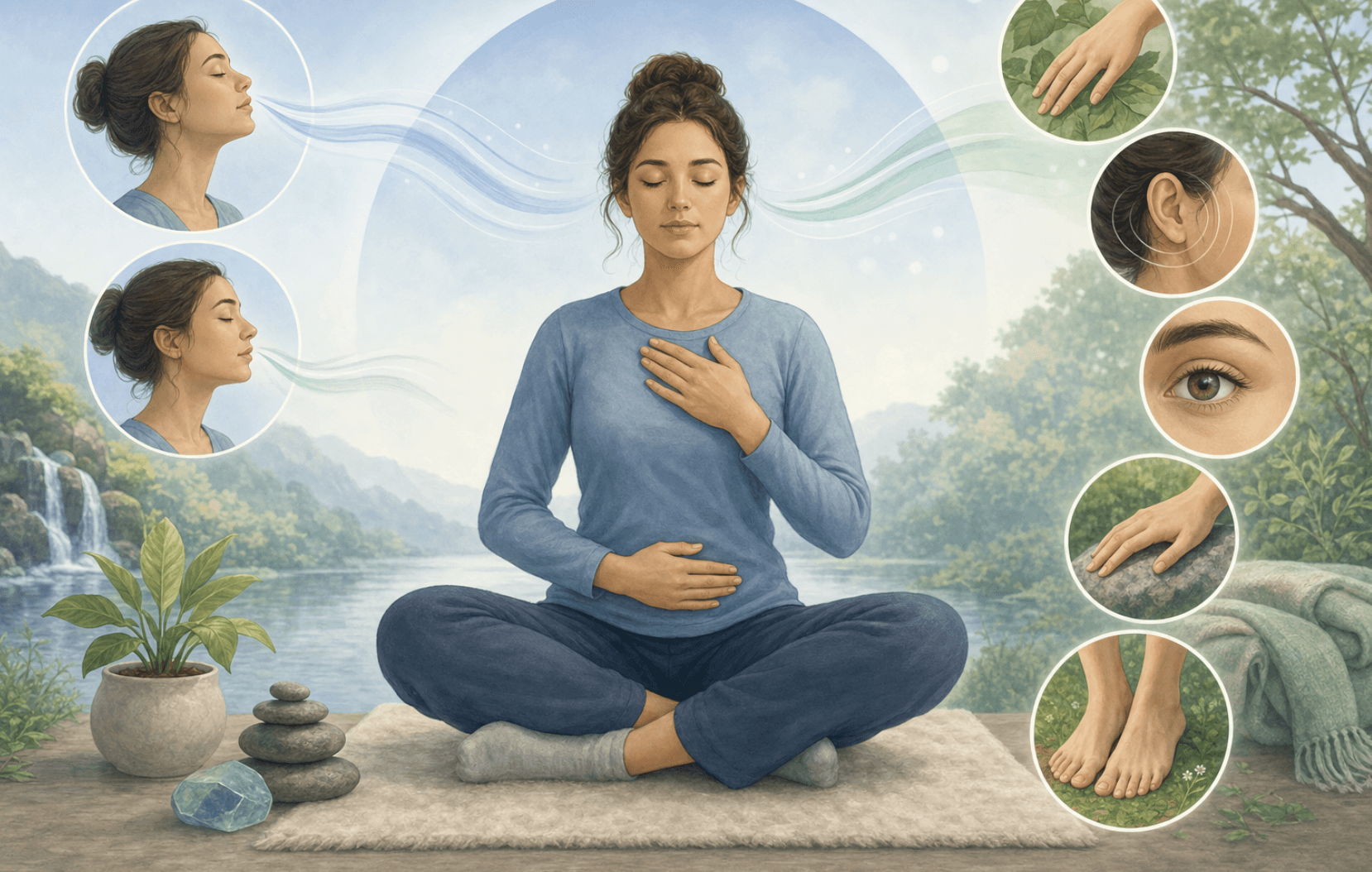
Slow your exhale down. Breathing out longer than you breathe in activates the parasympathetic nervous system, which can reduce the physical intensity of a panic attack. While panic disorder and generalized anxiety require different treatment approaches, some people ask about medications like Wellbutrin for anxiety management. Try inhaling for four counts and exhaling for six to eight.
Stay where you are if it is safe to do so. Leaving the situation often reinforces the panic response over time, making future episodes more likely in similar settings.
Name what is happening. Reminding yourself, "this is a panic attack, not a heart attack," can reduce the fear response that fuels the cycle, even if it does not stop the symptoms immediately.
Avoid hyperventilating. Fast, shallow breathing lowers carbon dioxide levels and can worsen dizziness, tingling, and chest tightness, which makes it harder to tell the difference between a panic attack and a cardiac event.
If you are unsure whether what you are experiencing is a panic attack or a medical emergency, err on the side of caution. Symptoms like chest pain radiating to your arm or jaw, sudden shortness of breath with no anxiety trigger, or loss of consciousness warrant emergency care. A psychiatric evaluation can help clarify what is happening if panic attacks are becoming frequent or interfering with your life.
When a Panic Attack Becomes Panic Disorder
A single panic attack does not automatically mean panic disorder. Many people have one episode, never have another, and move on.
Panic disorder develops when attacks recur, and the fear of having another one starts shaping your behavior. You might avoid certain places, stop exercising because your heart rate triggers fear, or scan your body constantly for signs that something is wrong. Travis County residents experiencing this pattern may benefit from online panic attack psychiatry services. That avoidance is often what does the most damage over time.
The DSM-5 criteria for panic disorder require recurrent unexpected attacks plus at least one month of persistent concern about future attacks or noticeable changes in behavior related to them. For those in Nueces County, online panic disorder psychiatry provides access to diagnostic evaluation. A clinician can help determine whether what you are experiencing meets that threshold.
How Legion Health Treats Panic Disorder in Texas Adults
Legion Health is a Texas-based virtual psychiatry clinic serving adults with conditions like panic disorder, generalized anxiety, and depression. Care is delivered by licensed psychiatric clinicians, including psychiatric nurse practitioners, who conduct thorough evaluations and build individualized treatment plans.
For panic disorder, that may include medication management, psychoeducation about the panic cycle, and coordination with a therapist if you're working with one separately. Prescribing controlled medications requires a careful evaluation and follow-up.
If panic attacks are affecting your daily life, a psychiatric evaluation can help clarify what's driving them and what options fit your situation. Dallas residents with Aetna coverage can review Dallas anxiety care covered by Aetna that may also treat panic disorder. Legion Health sees Texas adults and can often schedule visits within 3 to 5 days.
Final Thoughts on Panic Attacks and When to Seek Care
Panic attacks can mimic heart attacks closely enough that emergency departments see the confusion regularly, and the physical symptoms are severe enough to leave you shaken long after they pass. A single episode after a major stressor can happen to anyone, but recurring attacks or persistent worry about having another one is the pattern that typically warrants clinical attention. If that sounds familiar, talking with a psychiatric clinician can help determine what's driving the attacks and what options fit your situation. Legion Health works with Texas adults, and typically schedules visits within 3 to 5 days.
FAQ
What does a panic attack feel like physically?
A panic attack produces rapid or pounding heartbeat, chest tightness, shortness of breath, dizziness, sweating, tingling in the hands or face, and nausea, peaking within 10 minutes and resolving within 20 to 30 minutes for most people. The physical intensity can feel identical to a cardiac emergency, which is why many people end up in the ER during their first episode.
Panic attack vs heart attack: how can you tell the difference?
You often can't tell in the moment, and that's the problem. Both produce chest pain, racing heart, shortness of breath, and sweating. If you're unsure whether what you're experiencing is a panic attack or a cardiac event, treat it as a cardiac event until a clinician says otherwise.
Can panic attacks happen without warning or a trigger?
Yes. Panic attacks often arrive without an obvious trigger, which is part of what makes them so disorienting. Some attacks happen during sleep, pulling someone out of rest with a racing heart and shortness of breath, with no clear preceding stressor at all.
How long does a panic attack actually last?
Most panic attacks peak within 10 minutes and resolve within 20 to 30 minutes. Some linger closer to an hour, though that's less common. The brief window can make it easy to dismiss the episode after the fact, even when the physical symptoms felt life-threatening in the moment.
When should I see a psychiatrist about panic attacks?
If panic attacks are recurring, if you're avoiding certain places or situations because you're afraid of triggering another one, or if the fear of having another attack is shaping your daily behavior, a psychiatric evaluation can help determine whether you meet criteria for panic disorder and what treatment options fit your situation.
This article is for informational purposes and is not medical advice. If you think you may have symptoms of a mental health condition, a psychiatric evaluation can help.
How legion health Can Help You
If you’re in perimenopause or menopause and want guidance from clinicians who specialize in women’s midlife health, book a virtual visit with Legion Health today.
Hormonal changes are at the root of many symptoms women experience in the years before and after their periods stop.
Our trained menopause specialists help you connect the dots and guide you toward safe, effective solutions.
Whether you need personalized care or a prescription-based treatment plan to manage symptoms—including brain fog, hot flashes, sleep issues, mood swings, and weight gain—we’ve got you covered. Learn more here.
We're honored to support thousands on their journeys. Here's what some have shared:
Related articles

Physical Signs of Anxiety You May Be Missing (June 2026)
Signs of Anxiety That Feel Physical June 2026

Hydroxyzine for Anxiety: Dosage & Side Effects (April 2026)
Hydroxyzine Anxiety Dosage Guide | Legion Health

Wellbutrin for Anxiety: A Complete Guide (March 2026)
Wellbutrin for Anxiety Guide | Legion Health