Jun 1, 2026
ADHD vs Anxiety: How to Tell Them Apart When They Feel the Same (May 2026)
Written by:

Arthur MacWaters
Co-Founder, Legion Health
TLDR:
ADHD is a neurodevelopmental condition present across situations; anxiety is a threat response that interferes with focus when the nervous system is activated.
Around 47% of adults with ADHD also meet criteria for an anxiety disorder, and the two often make each other worse.
ADHD often gets misdiagnosed as anxiety because executive dysfunction can score high on anxiety measures without meeting anxiety disorder criteria.
Treatment differs: anxiety often responds to therapy and SSRIs/SNRIs, while ADHD may include stimulants when appropriate.
Legion Health includes QbCheck objective testing in every ADHD evaluation for Texas adults, giving clinicians additional data beyond a clinical interview alone.
You can't finish what you start, you feel on edge, and you're avoiding things you know you should handle. That could be ADHD. It could also be anxiety. The two conditions share enough symptoms that even people who treat them daily find the ADHD vs anxiety question genuinely difficult to answer. Restlessness, trouble focusing, sleep problems, and avoidance all appear in both. What makes the ADHD anxiety difference so hard to pin down is that the external behavior can look identical even when the internal driver is completely different. Let's walk through what actually separates them, when they occur together, and how one gets mistaken for the other more often than most people expect.
Why ADHD and Anxiety Look So Similar
The confusion makes sense. ADHD and anxiety share enough overlapping symptoms that even experienced clinicians find the differential genuinely difficult. Restlessness, trouble concentrating, irritability, and disrupted sleep all appear in both conditions, and the symptom overlap is well-documented in clinical research on both.
What makes this harder is that the presenting complaint is often identical. Someone who cannot focus at work might have ADHD, or their anxiety might be consuming the mental bandwidth needed for sustained attention.
There is no single symptom that clearly belongs to one condition and not the other, which is exactly why telling them apart requires more than a checklist.
What ADHD Actually Is in Adults
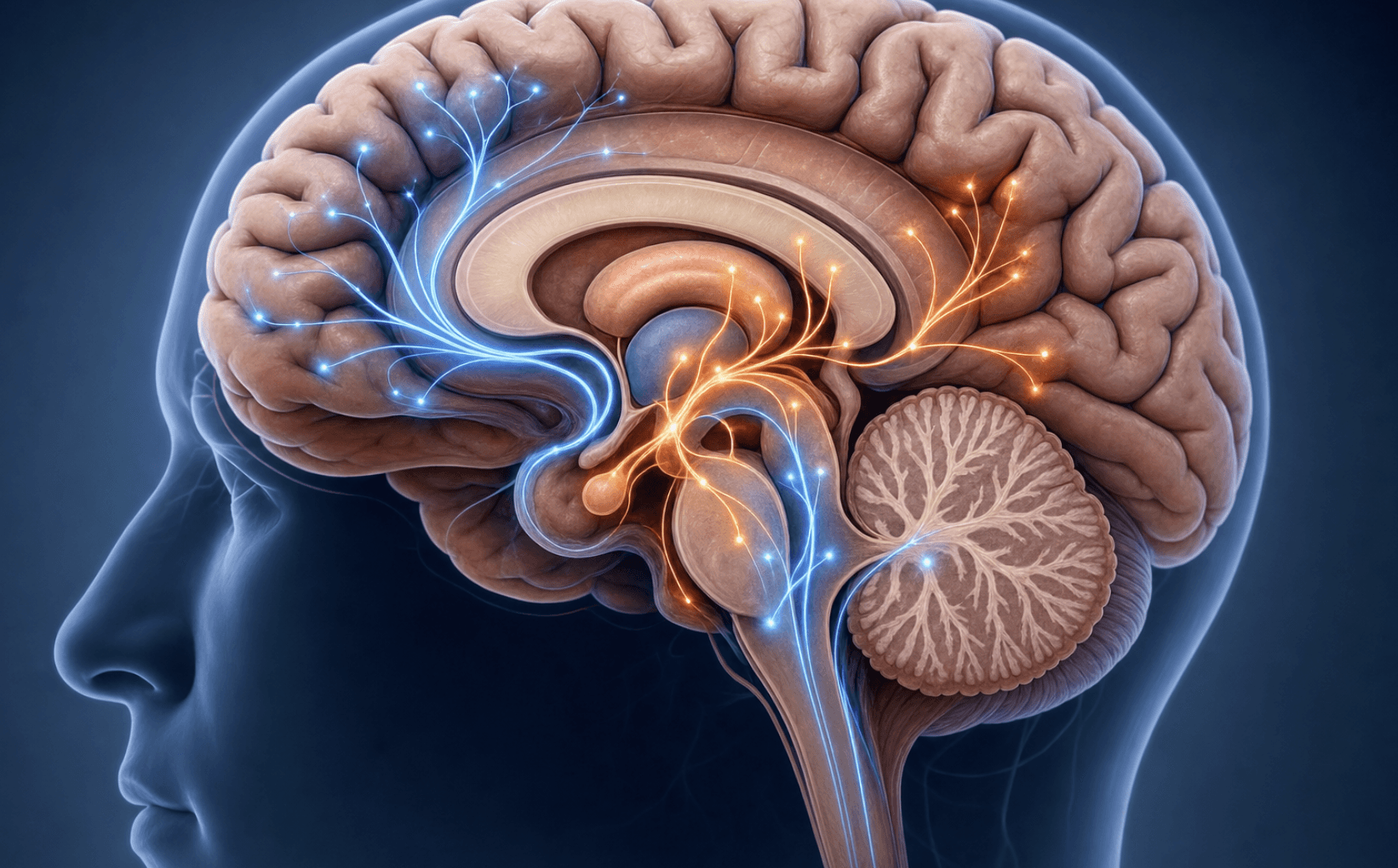
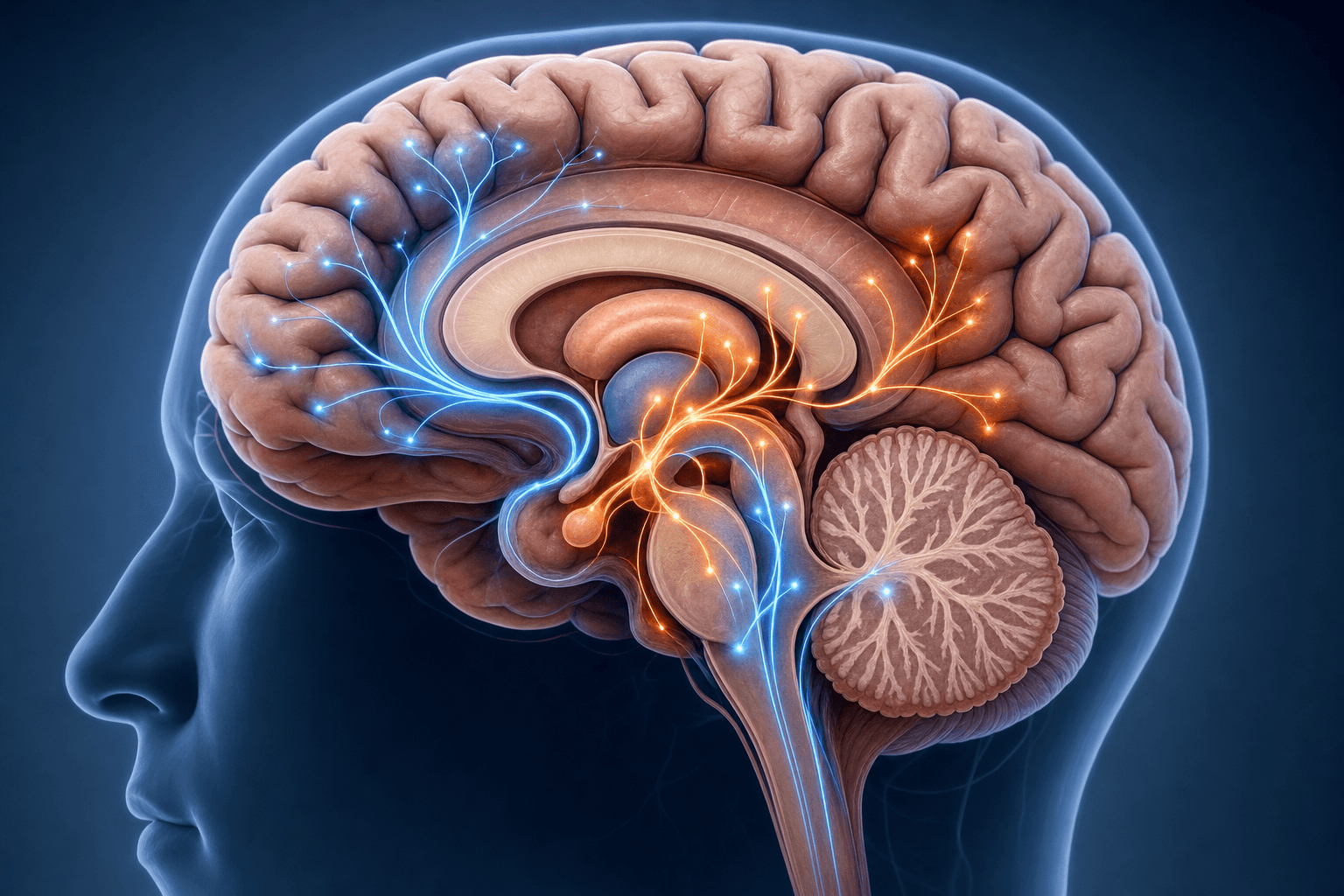
ADHD is a neurodevelopmental condition involving measurable differences in brain structure and function. People with ADHD have differences in white matter connections and reward circuitry, along with imbalances in dopamine and norepinephrine, the neurotransmitters that govern attention and impulse control.
Those differences produce three main symptom clusters: inattention, hyperactivity, and impulsivity. In adults, hyperactivity tends to show up as an internal sense of urgency rather than visible movement.
What Anxiety Disorders Look Like
Anxiety disorders are clinical conditions, not everyday stress that fades when circumstances improve. The mechanism is a threat-detection system that activates too often or too intensely for the actual situation.

There are several distinct anxiety disorders, and each has its own presentation.
Generalized anxiety disorder (GAD)
Persistent worry across multiple areas of life, including work, health, relationships, or finances. Physical symptoms like muscle tension, fatigue, and sleep disruption are common.
Panic disorder
Suddenly, intense waves of fear accompanied by a racing heart, shortness of breath, or dizziness. People often fear the attacks themselves, which can reshape their behavior over time.
Social anxiety disorder
Intense fear of judgment or embarrassment in social situations can lead to avoidance, affecting relationships and daily functioning.
Specific phobias
Disproportionate fear responses tied to particular objects or situations, such as heights, flying, or medical procedures.
Characteristic | ADHD | Anxiety Disorders |
|---|---|---|
Underlying mechanism | Neurodevelopmental condition with differences in brain structure, white matter connections, and dopamine and norepinephrine regulation | The threat-detection system is activating too often or too intensely for the actual situation |
When symptoms appear | Present across situations regardless of stress level, often dating back to childhood | Intensify in response to perceived threat or when anticipating negative outcomes |
Why tasks get avoided | Starting tasks feels genuinely hard to initiate because of executive dysfunction | Fear of doing the task wrong or fear of negative judgment drives avoidance |
Pattern over time | Persistent attention regulation difficulties that show up even in low-stakes, calm situations | Symptoms worsen during periods of stress and may improve when circumstances change |
The Core Difference Between Them
Both ADHD and anxiety can leave you feeling scattered, exhausted, and unable to focus. The symptoms overlap enough that even clinicians sometimes need time to sort them out. But the two conditions have different origins, and that difference matters for treatment.
ADHD is a neurodevelopmental condition. The brain's attention regulation system does not work the same way it does in people without ADHD. Difficulty focusing, impulsivity, and restlessness are present across situations, not just stressful ones.
Anxiety is a response to perceived threat. The nervous system goes into a state of alert, which interferes with concentration, sleep, and daily functioning.
Where the confusion comes in
The overlap is real. Both conditions can cause:
Trouble finishing tasks because the mind keeps pulling away from them
Difficulty sitting still or feeling physically tense and keyed up
Sleep problems that leave you tired and less able to concentrate the next day
Avoidance of situations that feel too demanding or overwhelming
The key question is what drives the symptom. Someone with ADHD may avoid a task because starting it feels genuinely hard to initiate. Someone with anxiety may avoid the same task because they fear doing it wrong. The behavior looks the same from the outside; the internal experience is different.
A licensed psychiatric clinician can help determine which pattern fits, because the right answer shapes the entire treatment plan.
How Often They Actually Occur Together
Anxiety and ADHD co-occur more often than most people expect. Research suggests that around 47% of adults with ADHD also meet criteria for an anxiety disorder. That overlap is part of why sorting out which condition is driving symptoms can feel so difficult.
Having both at once does not mean one caused the other. They can develop independently and run on separate tracks, but they tend to make each other worse. Untreated ADHD creates real-world consequences like missed deadlines, failed commitments, and chronic disorganization that can generate anxiety on their own. And anxiety can make attention and follow-through harder, muddying the picture further.
A clinician assessing you for one condition will typically screen for the other.
When ADHD Gets Misdiagnosed as Anxiety
The overlap between ADHD and anxiety is well-documented, and clinicians see misdiagnosis run in both directions. But one pattern shows up more often in practice: ADHD getting labeled as anxiety because the surface symptoms look nearly identical.
Someone who can't focus at work, feels constantly on edge, and avoids starting tasks may look anxious to a provider doing a brief intake. What's harder to see without a thorough evaluation is whether that restlessness is worry-driven or whether it's the dysregulation that comes with untreated ADHD.
Why does the mistake happen
A few factors make this mix-up common:
Anxiety screening tools get used more routinely than ADHD assessments in primary care, so ADHD symptoms get filtered through an anxiety lens before anyone considers an alternative explanation.
ADHD-related executive dysfunction produces procrastination, avoidance, and low frustration tolerance, all of which can score high on anxiety measures without the person meeting criteria for an anxiety disorder.
Adults with undiagnosed ADHD often develop genuine secondary anxiety from years of underperforming, missing deadlines, or feeling like they're always behind, which layers real anxiety symptoms on top of the ADHD.
When ADHD is missed, and anxiety is treated alone, stimulant-responsive symptoms go unaddressed. A clinician familiar with both conditions can tell the difference, but it requires asking the right questions about when symptoms started, what makes them worse, and whether attention problems show up even in low-stakes situations where there's nothing to feel anxious about.
How Treatment Approaches Differ
Since the anxiety and ADHD overlap so much in how they feel, it can be surprising how differently they're treated.
Anxiety treatment typically starts with therapy, medication, or both. Cognitive behavioral therapy (CBT) is one of the most well-studied approaches, and medications like SSRIs or SNRIs are commonly prescribed for ongoing anxiety management.
ADHD treatment often looks quite different. Stimulant medications like amphetamine salts (Adderall) or methylphenidate (Ritalin) are frequently part of the picture when clinically appropriate, alongside behavioral strategies and sometimes non-stimulant options. Controlled substances are prescribed only when clinically appropriate and may require additional steps, documentation, and monitoring.
When both conditions are present
Many people have both ADHD and anxiety, which complicates treatment planning. Some clinicians approach this cautiously because stimulants may increase arousal or restlessness in certain patients, which can be a concern when anxiety is not yet well managed. A careful evaluation helps clinicians decide which condition to treat first, or whether both need simultaneous attention. That sequencing decision is one reason an accurate diagnosis matters so much before any treatment begins.
What Happens When You Have Both
Living with both conditions compounds the difficulty in ways that go beyond symptom overlap. Research published in a 2025 review found that individuals with two or more comorbid conditions often experience greater disease burden, longer illness duration, and reduced treatment efficacy compared to those with a single diagnosis.
That last point matters practically. Treating one condition and waiting to see whether the other resolves on its own tends not to work. Anxiety that stems partly from years of ADHD-driven failure is unlikely to lift if the ADHD goes unaddressed. And ADHD that keeps worsening under the weight of untreated anxiety can look like a medication problem when the issue is actually broader.
A clinician who sees both conditions together can build a plan that accounts for each, instead of chasing one while the other pulls in the opposite direction.
Getting an Accurate Evaluation
A thorough evaluation goes beyond a symptom checklist. Clinicians typically combine a structured clinical interview with validated rating scales, and sometimes objective testing, to build a complete picture instead of relying on any single data point.
Coming prepared helps. Bring a timeline of when symptoms first appeared, which situations make them worse, and whether attention problems show up in low-stress situations. That developmental history often clarifies what would otherwise stay ambiguous.
Secondary effects matter too. Anxiety that grew out of years of ADHD-related struggles looks different from anxiety with no connection to attention or executive function, and a clinician who asks about both can tell the difference. If you feel your evaluation was brief or missed something, asking for a more comprehensive workup is reasonable.
Virtual Psychiatry for ADHD and Anxiety in Texas
Legion Health provides virtual psychiatric care for Texas adults dealing with ADHD, anxiety, depression, and presentations where those conditions overlap. Every standard evaluation includes QbCheck, an FDA-cleared objective ADHD test, at no extra cost. That objective data gives clinicians one more input for distinguishing between conditions that can look nearly identical during a clinical interview alone.
Care is delivered by board-certified psychiatric clinicians via secure video, with most major Texas insurance plans accepted. New patient appointments are typically available within 3 to 5 days. Each patient is assigned a clinician who handles their evaluation and ongoing medication management, instead of choosing from a rotating provider directory.
Final Thoughts on the ADHD and Anxiety Difference
You can have ADHD, anxiety, or both at once, and sorting that out takes more than checking boxes on a symptom list. The internal experience behind your restlessness or distraction is what separates the two. If you're a Texas adult looking for psychiatric care that includes objective testing in every evaluation, see if we're the right fit. Appointments are usually available within a few days, and most major insurance plans are accepted.
FAQ
ADHD vs anxiety, which one do I actually have?
You can't self-diagnose reliably, because the symptoms genuinely overlap and the key difference is internal: ADHD symptoms persist across situations regardless of stress, while anxiety symptoms intensify in response to perceived threat. A licensed psychiatric clinician can help sort out which pattern fits by evaluating when symptoms started, what makes them worse, and whether attention problems show up even in low-stakes situations where there's nothing to feel anxious about.
Can I have both ADHD and anxiety at the same time?
Yes. Research suggests that around 47% of adults with ADHD also meet criteria for an anxiety disorder, and having both conditions simultaneously complicates treatment planning because they can worsen each other. Treating one condition while ignoring the other tends not to work, which is why a thorough evaluation screens for both and builds a plan that accounts for each.
What's the difference between ADHD and anxiety treatment?
Anxiety treatment typically starts with therapy like cognitive behavioral therapy (CBT) and medications like SSRIs or SNRIs, while ADHD treatment often includes stimulant medications when clinically appropriate, alongside behavioral strategies and sometimes non-stimulant options. When both conditions are present, clinicians decide which to treat first or whether both need simultaneous attention, because stimulants may heighten arousal or restlessness in some patients when anxiety is not yet well managed.
How do I know if my anxiety is actually undiagnosed ADHD?
Look at whether your restlessness and avoidance existed before you felt anxious: someone with ADHD may avoid a task because starting it feels genuinely hard to initiate, while someone with anxiety avoids the same task because they fear doing it wrong. If you've had lifelong trouble with focus, follow-through, and restlessness even during calm periods, that pattern points more toward ADHD than anxiety alone.
This article is for informational purposes and is not medical advice. If you think you may have symptoms of a mental health condition, a psychiatric evaluation can help.
We're honored to support thousands on their journeys. Here's what some have shared:

Really great experience. I got an appointment within a week and the doctor was really nice and professional and they scheduled my labs and everything in a timely manner. I was able to get them done locally and they reviewed them within the next 2 or 3 days with me over video conference. Really good experience!

Legion Health has been a great experience. Treat you like a person and design a custom plan to help your situation.

I’ve had a very positive and satisfying experience with Legion health and my provider, Blessing Ugbor. My needs have been met and my concerns have been addressed in a timely manner. I have been able to make contact easily and talk to real people 😊. I appreciate Legion Health for all the care and support I’ve received so far.

Really great and positive experience must try if you have been thinking about it

My first time using a teledoc. They simplified the process and my Dr. has been great. To say its been a great experience is an understatement. I highly recommend them.

They're great at communicating/meeting your needs
Related articles

Signs of Adult ADHD You Might Be Brushing Off (June 2026)
Adult ADHD Signs You're Missing (June 2026)

Concerta vs Adderall: Two Common ADHD Medications, Compared by Mechanism (June 2026)
Concerta vs Adderall: ADHD Meds Compared (Jun 2026)

How Stimulant Medications Work: Understanding Adderall, Vyvanse, and Ritalin (June 2026)
How Stimulant Medications Work (June 2026)