

TLDR:
Propranolol reduces physical anxiety symptoms like a racing heart and tremors, not ongoing psychological worry.
Most helpful for situational anxiety (public speaking, exams, interviews) when taken 30–60 minutes before stressful events.
Typical doses for performance anxiety are around 10–40 mg, with exact dosing based on your health history.
It is not available over the counter; you need a prescription and medical screening to rule out issues such as asthma or certain heart conditions.
Legion Health provides psychiatric evaluations to see whether propranolol belongs in your treatment plan as one tool among others.
Let's say you have a presentation coming up, and every time you think about it, your heart starts racing and your hands get clammy. You’ve tried deep breathing and positive thinking, but your body won’t cooperate. That is the kind of situation where propranolol for anxiety may help your body feel steadier so you can focus on what you need to say.
Propranolol is a prescription beta-blocker that clinicians often use for performance or situational anxiety when physical symptoms are front and center. Propranolol prescriptions have surged 28% since 2020, with a particularly notable 39% increase in telemedicine prescriptions, reflecting growing recognition of its role in managing physical anxiety symptoms.
This guide explains how it works, when it tends to help, common dosing patterns, side effects and safety considerations, and how a psychiatric evaluation can help you decide whether it belongs in your treatment plan. If you want clarity about your options, the next step is to schedule a psychiatric evaluation and review your history with a licensed clinician.
What Is Propranolol and How Does It Work for Anxiety
Propranolol is a beta-blocker medication originally developed for cardiovascular conditions, and clinicians also prescribe it off-label to manage physical anxiety symptoms such as a fast heartbeat and shaking. Unlike SSRIs or benzodiazepines, propranolol does not change serotonin levels or directly shift mood. Instead, it blocks the effects of adrenaline (epinephrine) on beta receptors in your heart and blood vessels.
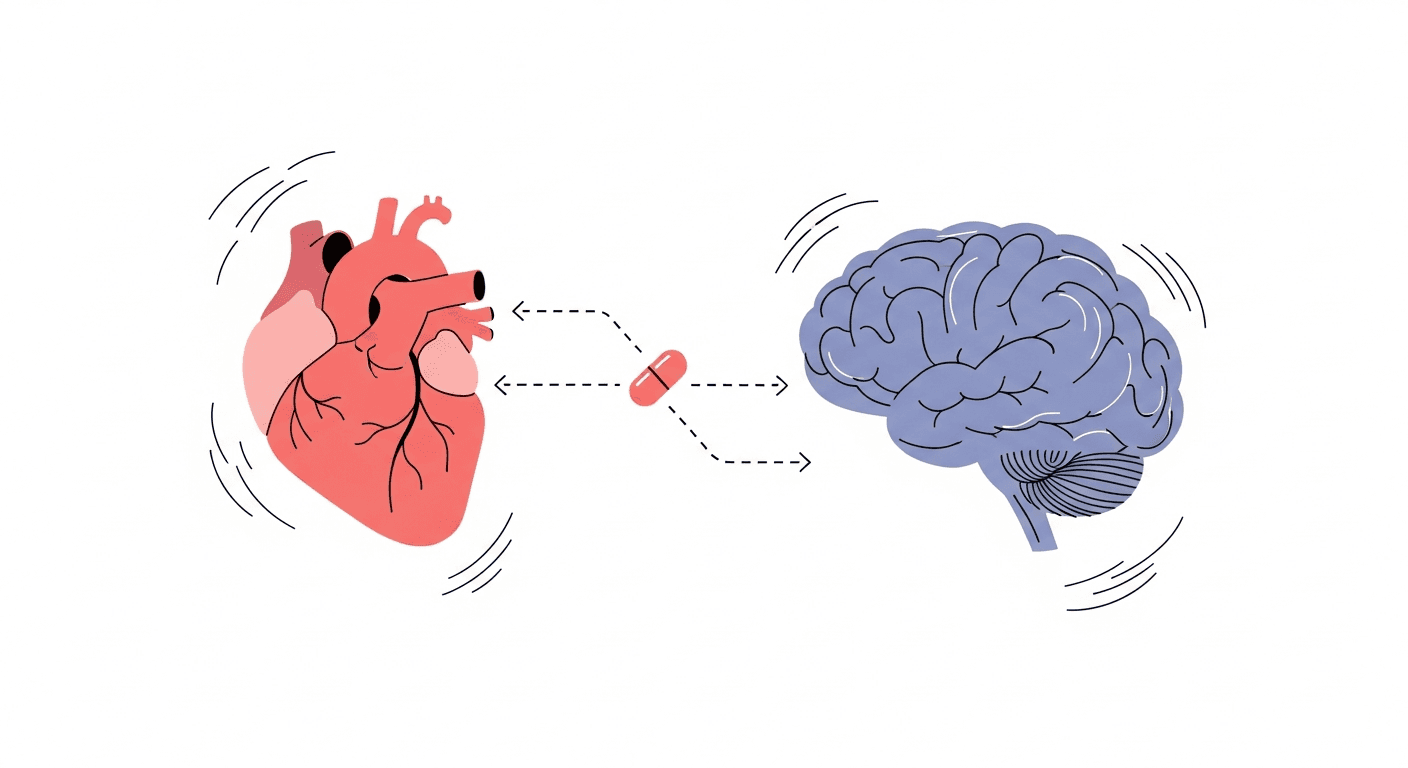
When you feel anxious, adrenaline can trigger a racing heart, sweating, or trembling hands. By blocking beta receptors, propranolol reduces these body reactions so they do not escalate as intensely. Recent work suggests beta-blockers can reliably lessen these physiological signs of anxiety, but they do not change deeper psychological triggers or thought patterns. For that reason, clinicians typically consider propranolol for performance or situational anxiety, while chronic conditions such as generalized anxiety disorder usually require other treatments as well.
The Physical vs. Psychological: Understanding What Propranolol Can and Cannot Treat
Propranolol is designed to calm physical anxiety symptoms, not ongoing worry or intrusive thoughts. Clinicians may use propranolol for anxiety to interrupt the loop where a racing heart or shaking voice makes your brain feel even more alarmed. When the physical surge is lower, some people find it easier to use coping skills or focus on the moment.
This mechanism limits how helpful propranolol is for generalized anxiety disorder (GAD) if it is used alone. GAD often involves constant rumination and “what if” thinking that continues even when your heart rate is normal. Because propranolol does not work on serotonin or other mood pathways, those cognitive patterns often require therapy, SSRIs, or other approaches.
What Propranolol Can Help Manage | What Propranolol Does Not Treat |
|---|---|
Rapid heartbeat or palpitations | Intrusive thoughts or ruminations |
Hand tremors and shaking | Chronic worry |
Sweating (palms or face) | Feelings of dread or hopelessness |
Voice cracking or tightness | Avoidance behaviors |
Physical tension related to surges | Underlying depression |
For many people, propranolol serves as a physical safety net so their body stays steadier during high-stress moments like presentations or exams. This can free up more attention for the task itself instead of constantly monitoring a racing pulse or shaky hands.
The Evidence Problem: What Recent Research Actually Shows
From the early 2000s to the late 2010s, use of beta-blockers in anxiety care increased as clinicians and patients looked for options that target physical symptoms without causing sedation. However, the research base is still relatively small. A systematic review and later analyses found no strong evidence that beta-blockers outperform placebos or benzodiazepines for conditions like social anxiety disorder or panic disorder.
This distinction matters: propranolol mainly helps with body symptoms such as tremors, sweating, and tachycardia during stressful events; it does not work as a stand-alone cure for anxiety disorders. Many patients still report that calming the “fight or flight” response makes it easier to get through public speaking or exams, but long-term progress usually depends on therapies that target underlying thought patterns, mood, and behavior.
When Propranolol Works Best: Performance and Situational Anxiety
Clinicians often use propranolol for performance anxiety or stage fright in situations such as public speaking, musical performances, or job interviews. It can lessen symptoms like a pounding heart or shaky hands without clouding your thinking, which is why it is popular for situations where you need to stay mentally sharp.
People also commonly ask about propranolol for flight anxiety or test anxiety. For many adults with situational anxiety, immediate-release propranolol is most helpful when taken about 30–60 minutes before the event, giving time for peak effect. Health systems and clinical dosing guides consistently describe this timing window for performance anxiety.
Dosing Propranolol for Anxiety: What to Expect
Because propranolol is used off-label for anxiety, there is no single FDA-approved dosing standard. Your clinician selects a dose based on your blood pressure, heart rate, other medications, and how intense your symptoms are.
Situational use: For performance anxiety, common starting doses fall in the 10–40 mg range of immediate-release propranolol, taken about 30–60 minutes before the event.
Ongoing physical symptoms: For more frequent body symptoms related to anxiety, some adults may take divided daily doses, often in the 40–120 mg per day range, guided by cardiovascular safety and side effects.
When clinicians think about the maximum dose of propranolol for anxiety, they typically stay well below the higher limits used in heart disease to reduce risks like low blood pressure or slow heart rate. Most start with a low dose to see how you respond and to watch for issues such as dizziness or lightheadedness before considering any increase.
Side Effects and Who Should Avoid Propranolol
Because propranolol acts on beta receptors throughout the body, side effects can appear even at modest doses. For some adults, propranolol 10 mg can cause fatigue, lightheadedness, cold hands or feet, and vivid dreams. Digestive upset is also possible, and taking the medication with food can sometimes make this less bothersome. Higher amounts such as 40 mg tend to produce more noticeable effects in sensitive patients.
Safety considerations
Respiratory conditions: Propranolol can narrow airways, so people with asthma or COPD often need different options instead of propranolol for anxiety.
Heart and diabetes: This medication is usually unsafe for people with very slow heart rates and can hide signs of low blood sugar in some people with diabetes.
Stopping the medication: With daily use, stopping abruptly can lead to rebound increases in heart rate or blood pressure; tapering under clinical supervision is safer.
Because of these factors, propranolol should only be used under medical guidance, with clear instructions on when and how to take it and when to seek help if symptoms change.
How to Get Propranolol for Anxiety: The Prescription Process
If you are researching how to get propranolol for anxiety, it is important to know that you cannot buy it over the counter in the United States. Propranolol is a prescription-only beta-blocker that influences heart rate and blood pressure, so a medical evaluation is required to see if it is appropriate for you. To receive a propranolol prescription, you must meet with a licensed clinician, such as a psychiatric nurse practitioner or primary care physician.
You can complete this evaluation in person or through a reputable telehealth service. During your visit, the clinician screens for concerns such as asthma, specific cardiac conditions, and other medications that might interact with propranolol. While some people search online communities for shortcuts or unofficial sources, getting medication without a legitimate prescription bypasses safety checks, monitoring, and clear follow-up plans that protect your health
Getting Started with Propranolol: Care with Legion Health
Finding the right medication approach takes more than reading about options online; it requires a careful clinical evaluation. At Legion Health, you meet with board-certified psychiatric providers who specialize in outpatient mental health and can help you understand where propranolol may fit alongside other treatments.
Our virtual clinic is designed to make high-quality psychiatry easier to access and accepts major insurance plans so costs feel more predictable instead of overwhelming. We do not offer instant prescriptions or promise specific medications. Instead, your clinician completes a full psychiatric evaluation to understand your symptoms, health history, and goals. If propranolol appears safe and appropriate for your physical anxiety symptoms, it can be added to your treatment plan with ongoing monitoring.
3 Things to Know About Care at Legion Health
Clinician-led: You meet with licensed psychiatric clinicians, not software or algorithms.
Insurance-first: Legion works with most major insurance plans in Texas to help keep visit costs closer to a typical copay for many patients.
Whole-person care: Clinicians look at the full picture, physical symptoms, mood, sleep, and comorbid conditions to build a plan that fits your situation.
If you are ready for a professional treatment plan, the next step is straightforward: start care by scheduling a psychiatry visit.
Final Thoughts on Propranolol for Anxiety Symptoms
If your anxiety shows up as physical symptoms during high-pressure moments, propranolol for anxiety may help your body feel steadier without causing sedation for many people. It does not treat ongoing worry or intrusive thoughts by itself, but it can interrupt the feedback loop between your body and brain so it is easier to get through stressful events.
A psychiatric evaluation can help you decide whether propranolol makes sense for your symptoms or whether a different combination of therapy, SSRIs, or other options would be more effective.
If you’d like to talk with a licensed psychiatric clinician about whether propranolol or another option fits your symptoms, you can see whether Legion Health is a fit and schedule a visit at https://app.legionhealth.com/portal/join/fit.
FAQs
How quickly does propranolol work for anxiety?
Propranolol typically begins to take effect within about 30 to 60 minutes, which is why clinicians often recommend taking it before a specific event like a presentation or interview. The physical effects usually last for several hours, depending on the dose, formulation, and your individual response.
Can I take propranolol every day for anxiety, or only when I need it?
Both patterns are possible, depending on your symptoms and medical history. Many people use propranolol only as needed for situational anxiety (for example, public speaking or exams), while others may take it on a regular schedule if they have frequent physical anxiety symptoms. Your clinician will help decide which approach is safest based on your blood pressure, heart rate, other medications, and how often symptoms show up.
What’s the difference between propranolol 10 mg and 20 mg for anxiety?
The main difference is the strength of the effect. Higher doses typically lead to more noticeable reductions in physical symptoms like a rapid heartbeat and tremors, but can also increase the chance of side effects. Clinicians often start with propranolol 10 mg to see how you respond and whether you develop issues such as dizziness or fatigue, then adjust if needed. Neither dose treats the psychological aspects of anxiety; both focus on physical symptoms.
Is propranolol safe if I have asthma or other breathing problems?
Propranolol is generally not recommended for people with asthma or COPD because it can narrow airways and make breathing more difficult. If you have any respiratory condition, your clinician will likely choose an alternative that does not act on beta receptors in the lungs. Always tell your clinician about breathing issues, inhalers, or past asthma symptoms during your evaluation.
Will propranolol help with worry and racing thoughts, or just physical symptoms?
Propranolol mainly targets physical symptoms. If your anxiety is dominated by chronic rumination or feelings of dread, you may benefit more from treatments like SSRIs, therapy, or a combination of approaches. A psychiatric evaluation can help match you with options that fit both your mental and physical symptoms.
We're honored to support thousands on their journeys. Here's what some have shared:

I have been seeing Blessing since June and it has been an amazing experience. She is the first provider that has actually listened to me about my symptoms and how much they are affecting my life. She is helpful and is very cautious about which medications to prescribe so that we limit side effects. Overall I could not be happier! I have sent several friends to Legion and Blessing.

Excellent service

I have had great care. The staff is always available and they are very caring. When you are dealing with the stresses of life, it is good to know there are people who understand.

My provider listens to how I’m feeling and has truly made a significant impact on my mental health, specifically anxiety! It’s greatly reduced and I had lived my whole life full of worry! Grateful!!

I’m very pleased with the ease of use to book appointment and also the quality of care. Highly recommend !

Really great experience. I got an appointment within a week and the doctor was really nice and professional and they scheduled my labs and everything in a timely manner. I was able to get them done locally and they reviewed them within the next 2 or 3 days with me over video conference. Really good experience!
Related articles

Physical Signs of Anxiety You May Be Missing (June 2026)
Signs of Anxiety That Feel Physical June 2026

Panic Attack Symptoms: What to Expect (June 2026)
Panic Attacks Explained | Legion Health June 2026

Hydroxyzine for Anxiety: Dosage & Side Effects (April 2026)
Hydroxyzine Anxiety Dosage Guide | Legion Health