Jan 28, 2026
ADHD Rage in Adults (January 2026)
Written by:

Arthur MacWaters
Founder, Legion Health

TLDR:
ADHD rage is linked to executive function challenges, not “bad character.” Studies suggest that about 34–70% of adults with ADHD experience emotional dysregulation.
Episodes often spike almost instantly because the prefrontal cortex response is delayed, then fade within about 20 minutes.
Common triggers include interruptions during hyperfocus, sensory overload, time pressure, and clutter.
Treatment usually focuses on the underlying ADHD and any comorbid conditions, through psychiatric care and medication management when appropriate.
Legion Health offers insurance-covered ADHD evaluations and medication management with licensed psychiatric clinicians.
Maybe you have noticed that certain situations set you off instantly, like being interrupted during focus time or dealing with sensory overload. What is ADHD rage? It is the sudden, intense anger that happens when your brain’s executive functions cannot keep up with emotional input. Unlike typical frustration, this reaction often skips the usual warning signs and hits hard before you can slow it down. Understanding why this happens is the first step toward managing it more safely.
What Is ADHD Rage
“ADHD rage” describes sudden, intense emotional outbursts that feel hard to control in the moment. These episodes usually come from executive function problems, not an inherently angry personality. Research indicates that about 34–70% of adults with ADHD experience emotional dysregulation.
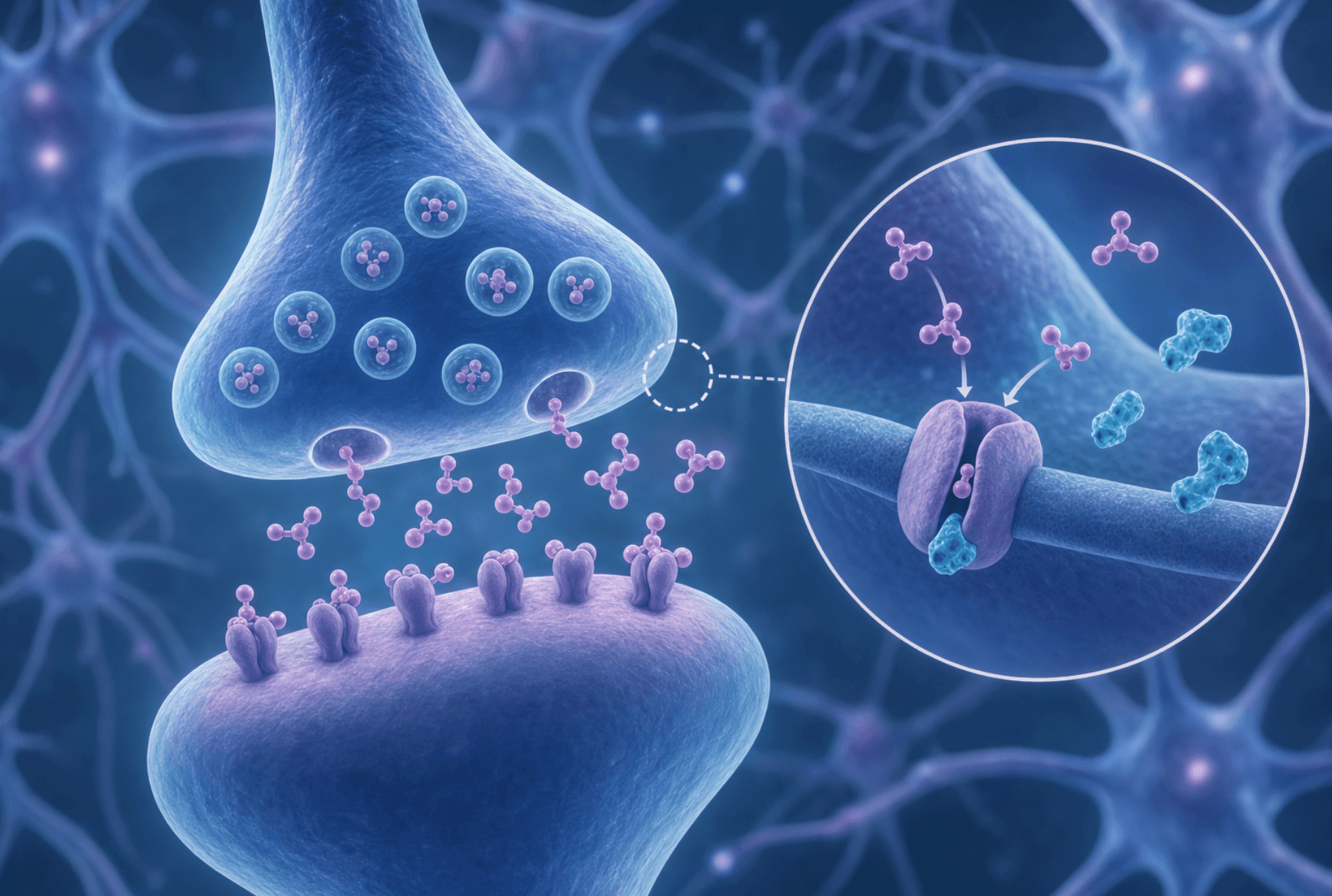
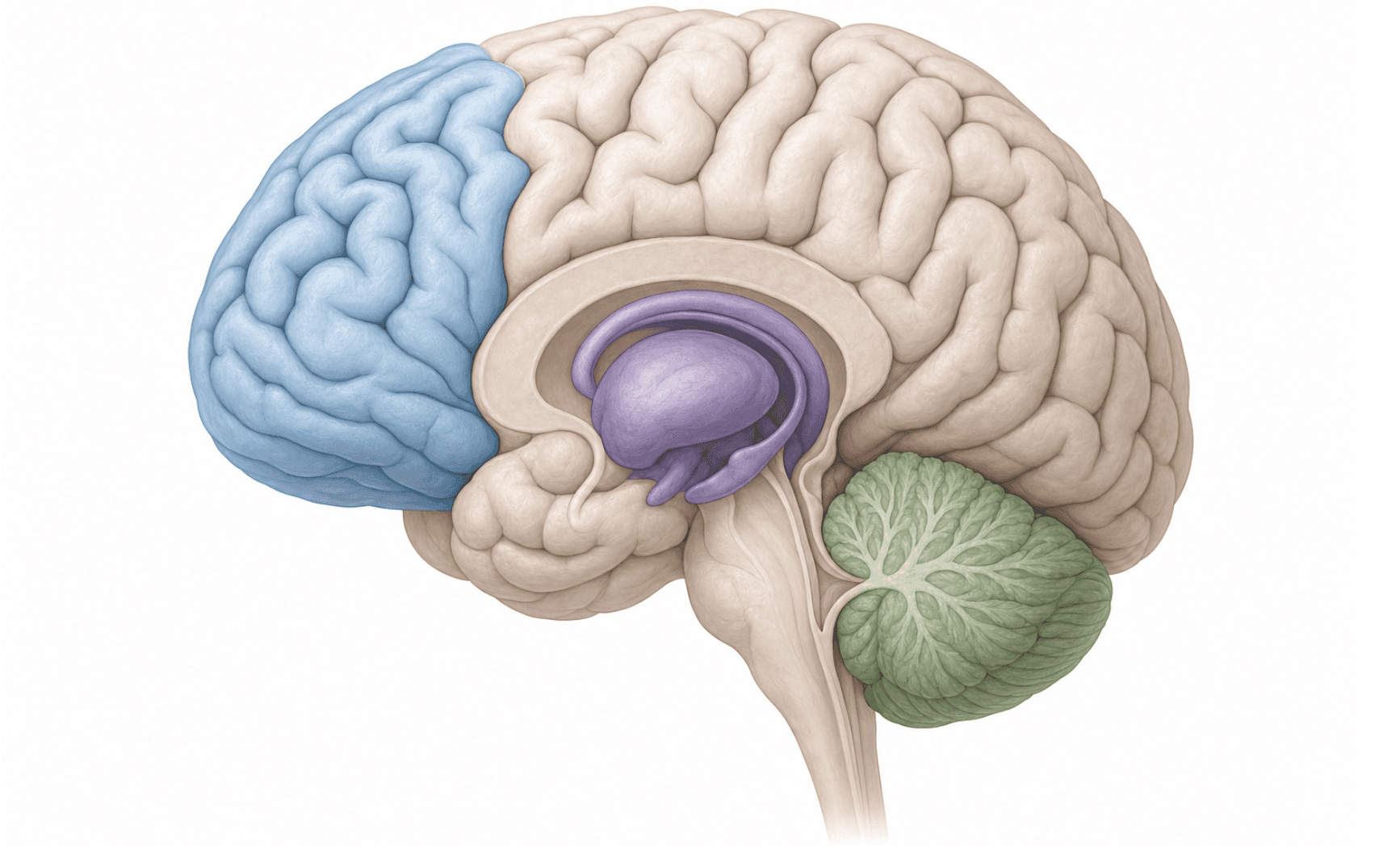
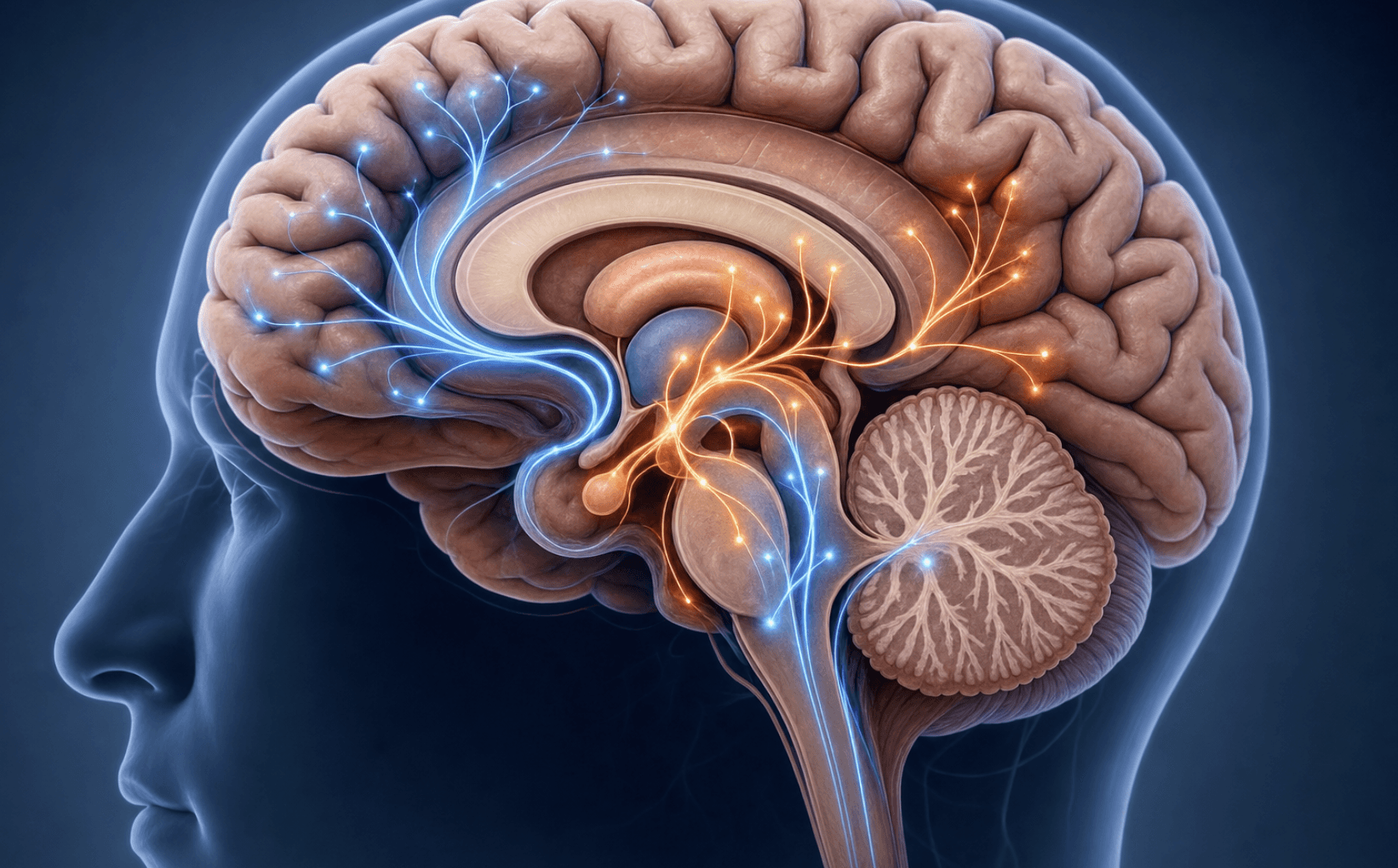
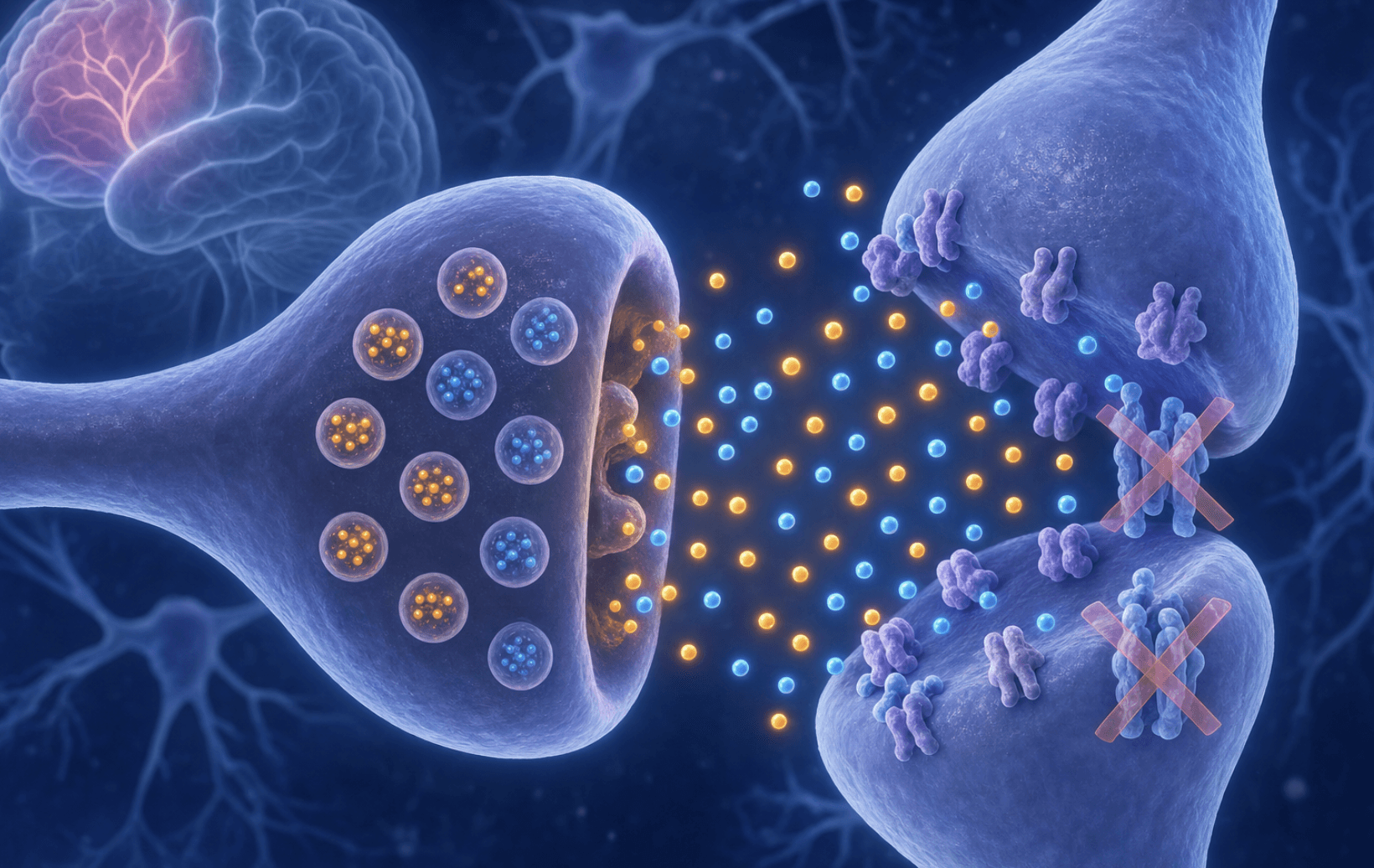
Because the brain’s “brakes” between emotional centers and the prefrontal cortex may not activate quickly enough, small frustrations can escalate very fast. Many people describe going from calm to furious within seconds, then feeling drained or ashamed once the surge passes.
Why ADHD Causes Intense Anger and Rage Responses
ADHD rage is rarely a conscious choice. It often reflects how the brain handles inhibition and emotional input. The prefrontal cortex usually slows reactions and helps you pause before acting, but in ADHD that signal can arrive late. Feelings can “jump the queue” and hit at full strength before executive control catches up.

Interrupting a hyperfocused state can also create strong internal friction. The sudden need to switch tasks can trigger a fight-or-flight response, which may come out as snapping, yelling, or slamming objects before you fully register what is happening.
Common Triggers for ADHD Rage Attacks
Most ADHD rage episodes follow patterns of stress where the brain struggles to shift gears or handle competing demands. Common situations include:
Interruptions: Breaking a hyperfocused state forces a jarring mental shift and can lead to ADHD interruption rage.
Sensory overload: Competing noises, strong smells, or visual chaos can lead to “ADHD sound rage.”
Time pressure: The rush to get out the door often fuels ADHD morning rage.
Clutter: A messy space can feel like an attack on your nervous system and spark “rage cleaning” where organizing becomes frantic and urgent.
Not everyone with ADHD will react the same way, but noticing patterns around these triggers can inform better planning and boundaries.
Rejection Sensitivity and ADHD Anger
For many adults, intense anger comes from perceived criticism, rejection, or being “left out.” This pattern is often called Rejection Sensitive Dysphoria (RSD) and is closely tied to emotional dysregulation. Some estimates suggest that a large share of adults with ADHD experience this kind of sensitivity.
When the brain reads emotional pain as a major threat, it may switch into a protective “fight” response. That can create an ADHD anger spiral where you lash out, then feel deep shame once the chemical surge settles and you see the impact on other people.
How ADHD Rage Differs from Normal Anger
When asking what ADHD rage looks like, the main differences are speed and intensity.
Speed: For many, the reaction hits almost instantly. There is little sense of “building frustration.” It feels more like a switch flipping.
Intensity: Small triggers can cause a reaction that feels as strong as a response to a major threat, with racing heart, shaking, or yelling.
Episodes themselves may not last long. The internal surge often fades within about 20 minutes, but the emotional impact on relationships can last far longer.
Characteristic | ADHD Rage | Typical Anger |
|---|---|---|
Onset Speed | Instant escalation from 0 to 100 with no warning signs or gradual build-up | Gradual build-up with noticeable warning signs like tension, irritation, or frustration |
Intensity Level | Disproportionate response where minor annoyances trigger the same fury as major threats | Proportionate response that matches the severity of the triggering situation |
Duration | Burns out quickly, typically within 20 minutes as the chemical surge dissipates | Can last longer and fade gradually as the situation is processed or resolved |
Neurological Cause | Executive function deficit where prefrontal cortex fails to manage emotional centers | Normal emotional processing with intact regulatory mechanisms and impulse control |
Control & Awareness | Bypasses conscious control; reaction occurs before the person can intervene or pause | Opportunity to pause, reflect, and choose response before acting on the emotion |
Post-Episode Effect | Immediate return to baseline with intense shame or confusion about the outburst | Gradual emotional recovery with clearer memory of the escalation process |
How ADHD Rage Affects Relationships and Daily Life
While your own anger may fade quickly, the consequences often linger.
Romantic partnerships: In ADHD anger relationships, partners may feel they are walking on eggshells. The pattern of sudden explosions followed by apologies can slowly erode trust.
Parenting: Sensory overload and constant demands can lead to “ADHD mom rage,” where snapping at children is followed by immediate guilt.
Outbursts, sharp tones in meetings, or ADHD road rage can put jobs and safety at risk. Research shows that 62% of adults with ADHD report their condition causes them to miss work or arrive late frequently, directly impacting their income and job stability.
Support often needs to target both internal regulation and external routines so that these situations become less frequent and less intense.
Medication and Professional Treatment for ADHD Rage
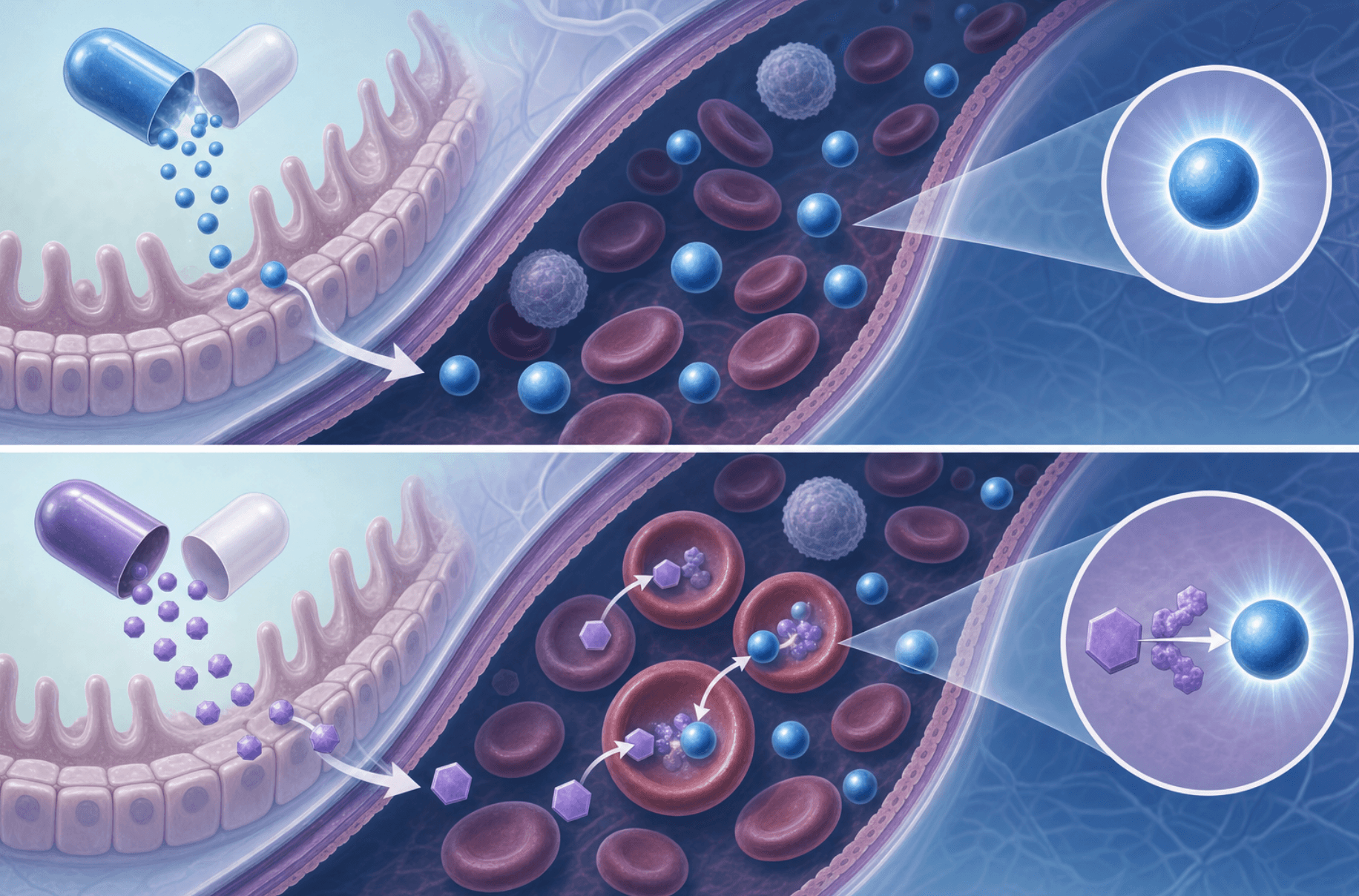
Treating executive function challenges can reduce how often intense anger shows up and how strong it feels. ADHD rage treatment frequently includes stimulant or non-stimulant medications to improve focus and impulse control, but controlled medications are prescribed only when clinically appropriate.
If anxiety or depression are also present, clinicians may consider medications like SSRIs or other options that target mood in addition to ADHD care. Medication is never one-size-fits-all, and a licensed clinician will look at your full history, current medications, and safety needs before recommending anything.
When to Seek Professional Help
It is time to seek a psychiatric evaluation when anger affects your safety, relationships, or work. Consider professional support if:
Loved ones say they feel unsafe or constantly on edge
Outbursts lead to warnings or discipline at work
You break objects, drive recklessly, or put yourself in risky situations
Rage episodes end in deep shame, hopelessness, or thoughts of self-harm
If you are in crisis or cannot keep yourself or others safe, call 988 or go to the nearest emergency room right away. This article cannot replace emergency care.
Getting ADHD Care at Legion Health
Managing intense emotional dysregulation often means treating the underlying ADHD and any comorbid conditions. Legion Health is a virtual psychiatry clinic for adults in Texas that focuses on evaluations, medication management, and structured follow-up, all designed to work with major insurance plans.
Scope of care: Legion’s board-certified psychiatric clinicians treat adult ADHD along with anxiety, depression, and other outpatient conditions.
Care model: Visits include detailed psychiatric evaluations, responsible medication management when appropriate, and ongoing follow-ups to adjust treatment over time.
Access and affordability: Legion accepts most major commercial plans in Texas, and appointments are often available within days.
If you are dealing with ADHD rage, care is focused on building a safer, more stable baseline, not on judging past reactions.
Key Takeaways
ADHD rage is usually a neurobiological response related to executive dysfunction and emotional dysregulation, not a moral failing.
In-the-moment strategies can help you ride out a surge more safely, but longer-term stability often comes from treating ADHD and any comorbid conditions.
Working with a psychiatric clinician can help you build a plan that covers triggers, medication options, and coping tools that fit your life.
If you want a clearer plan for ADHD-related anger and prefer clinician-led, insurance-friendly care, you can see whether Legion Health is a fit and schedule your first visit.
Final Thoughts on ADHD Rage Treatment and Support
Recognizing that ADHD rage treatment focuses on a brain-based pattern, not a personal failing, can ease shame and make it easier to seek help. Immediate strategies can help you get through a surge more safely, and working on executive function through medication and skills-based care can expand your window of tolerance over time. If you are tired of repeating the same cycles, scheduling a psychiatric evaluation is a practical next step, especially with a clinic that understands adult ADHD and offers insurance-based virtual care.
FAQs
How long does an ADHD rage episode usually last?
Many ADHD rage episodes peak and fade within about 20 minutes as the chemical surge settles, though the emotional impact on others can last much longer.
Can medication help reduce ADHD rage?
Medication that targets ADHD can reduce emotional outbursts by improving impulse control and attention, but treatment choices depend on a full psychiatric assessment and may include stimulant, non-stimulant, or mood-focused options when appropriate.
What should I do when I feel ADHD rage starting?
Physically remove yourself from the situation immediately, use a temperature shock like cold water or ice, and try box breathing (inhale, hold, exhale, hold for four seconds each) to force a physiological reset before the surge peaks.
What should I do when I feel ADHD rage starting?
Step away from the situation, use a physical reset like cold water or ice, and try box breathing to slow your body’s response before the surge peaks. These steps help you return to the conversation more safely later.
Is ADHD rage different in men versus women?
Men often show ADHD rage outwardly through shouting or physical aggression, while women are more likely to internalize it, leading to crying, shutdown, or intense shame after snapping. Social expectations and masking play a large role.
How legion health Can Help You
If you’re in perimenopause or menopause and want guidance from clinicians who specialize in women’s midlife health, book a virtual visit with Legion Health today.
Hormonal changes are at the root of many symptoms women experience in the years before and after their periods stop.
Our trained menopause specialists help you connect the dots and guide you toward safe, effective solutions.
Whether you need personalized care or a prescription-based treatment plan to manage symptoms—including brain fog, hot flashes, sleep issues, mood swings, and weight gain—we’ve got you covered. Learn more here.
We're honored to support thousands on their journeys. Here's what some have shared: