Jun 15, 2026
How Long Does It Take SSRIs to Work? A Realistic Timeline (June 2026)
Written by:

Arthur MacWaters
Founder, Legion Health

TLDR:
Track sleep, appetite, and energy changes in weeks 1 to 2 as early signs your SSRI is active, even when mood symptoms haven't improved yet.
Expect mood relief between weeks 4 and 6 at a therapeutic dose, with fuller response by weeks 6 and 8, because receptor-level brain changes take time to develop.
Watch for functional improvements, such as completing avoided tasks or reduced irritability, before emotional relief arrives, and log these changes daily to give your clinician concrete data.
Reassess with your prescriber at 6 to 8 weeks if you see little to no change, since response rates for first-line SSRIs fall in the 40 to 60% range and dose adjustments or medication switches are common.
Schedule follow-ups at weeks 2, 4, and 8 to align with the SSRI timeline, so side effects can be managed early, and dose changes occur when response data is clearest.
Everyone wants to know the same thing when they start an SSRI: how long until this actually works? The short answer is that most people notice some early changes within a week or two, but those changes are usually physical, like sleep or appetite, not the mood relief you're looking for. Real improvement in depression or anxiety typically takes four to six weeks, sometimes longer. If you're in the middle of that waiting period and trying to figure out whether your SSRI is working, here's the timeline research suggests and the signs to watch for along the way.
What Are SSRIs and How Do They Work?
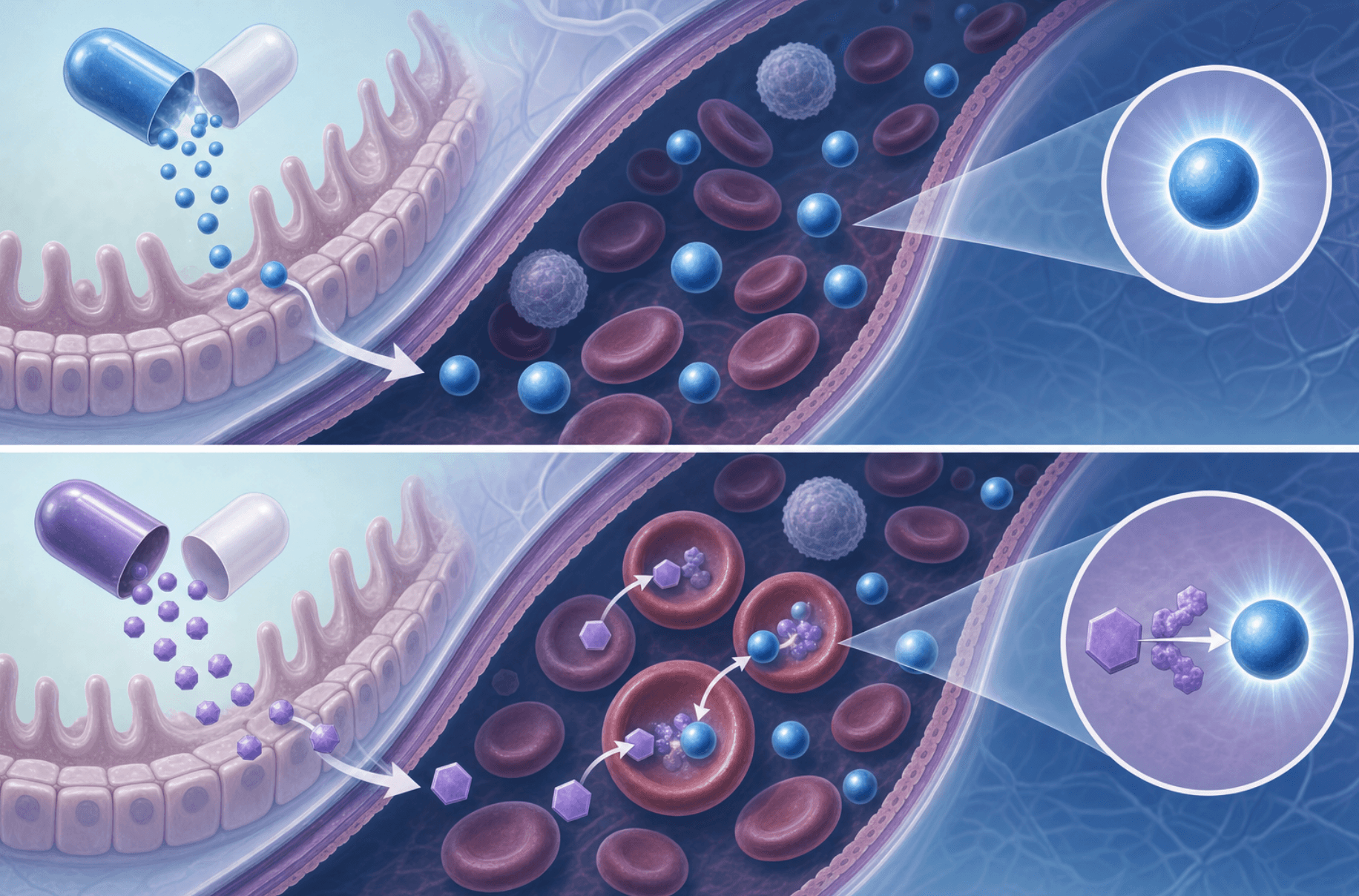
SSRIs, or selective serotonin reuptake inhibitors, are a class of antidepressants prescribed for depression, anxiety, OCD, and PTSD. They work by blocking the reabsorption of serotonin in the brain, leaving more of it available between nerve cells to help stabilize mood.
That part happens quickly. Within hours of your first dose, serotonin levels in your synapses begin to change. But those early changes don't translate into feeling better right away, because lasting mood changes depend on deeper neurological adaptations that take weeks to develop. That gap between "the medication is doing something biochemically" and "I actually feel different" is what confuses most people starting an SSRI, and it's worth understanding before getting into the timeline.
The Realistic Timeline: When to Expect Improvement
Most people taking SSRIs for the first time want to know one thing: when will this actually start working?
The honest answer is that improvement rarely follows a single, clean timeline. Different symptoms tend to shift at different rates. Research on SSRI onset patterns shows that while some people notice changes in the first week, meaningful mood improvement typically takes longer.
How symptoms typically progress
Here is a general sense of what the research suggests:
Timeframe | What may change |
|---|---|
Weeks 1–2 | Sleep and appetite may shift; energy can improve slightly |
Weeks 2–4 | Anxiety and irritability may begin to ease |
Weeks 4–6 | Mood improvements often become more noticeable |
Weeks 6–12 | Fuller antidepressant effects tend to develop |
A few things worth knowing about this progression:
Side effects often appear before benefits do, which can make the first couple of weeks discouraging for some people.
Physical symptoms like sleep disruption and fatigue tend to respond earlier than core mood symptoms.
Research suggests that patients who show even partial improvement by week four are more likely to reach a full response later, so early signs matter even when they feel small.
If there is little to no change after 6 to 8 weeks at an adequate dose, a clinician may want to reassess. That might mean adjusting the dose, switching medications, or evaluating whether something else is contributing to the symptoms.
Why SSRIs Take Weeks to Work
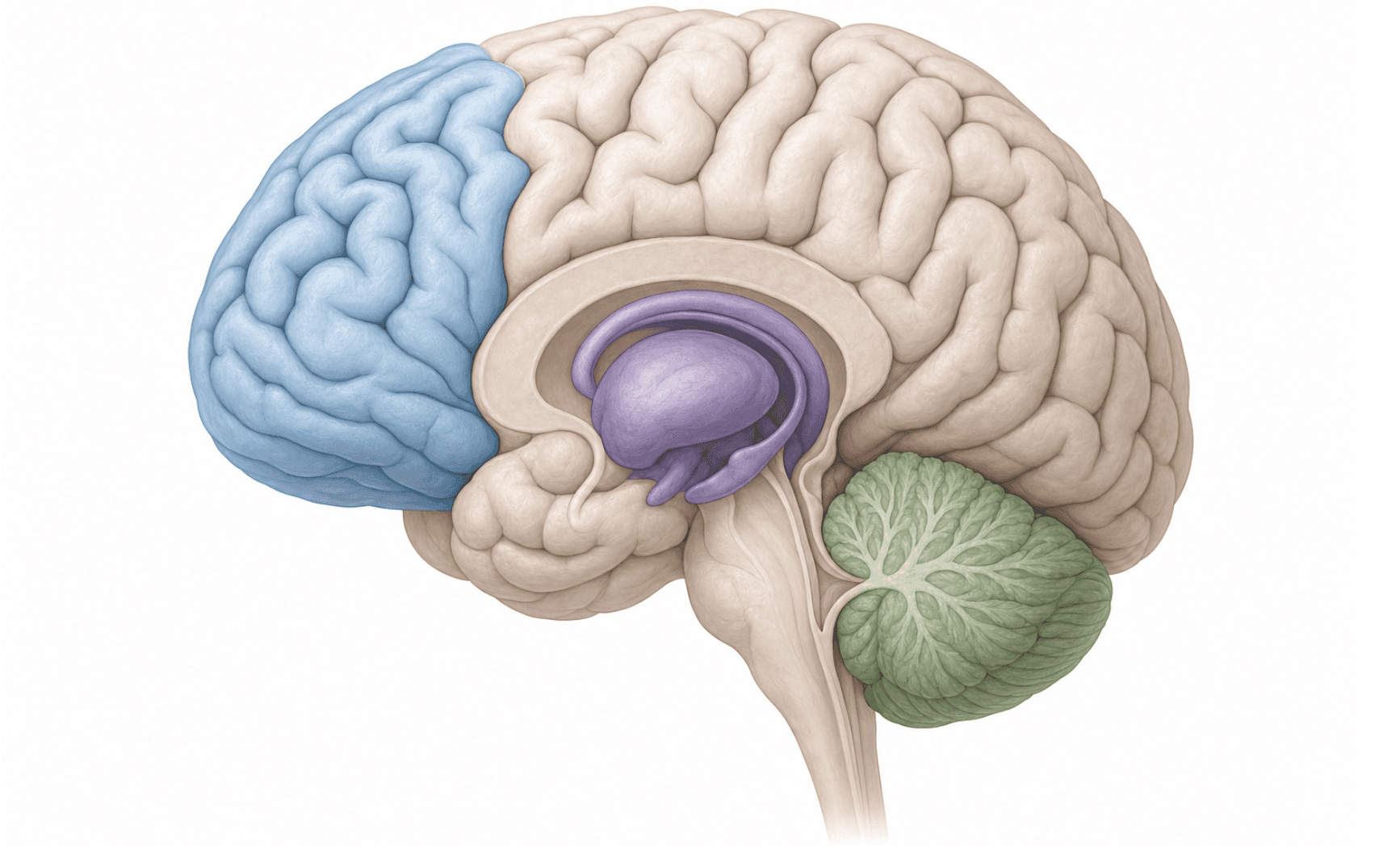
SSRIs work by blocking the reuptake of serotonin in the brain, leaving more serotonin available between nerve cells. But that chemical shift alone does not explain the delay. The leading theory is that meaningful symptom relief requires the brain to adapt over time, including changes in receptor sensitivity and, according to some research, neuroplasticity in regions like the hippocampus.
What the timeline actually looks like
Most people notice some early changes within one to two weeks, though these tend to be physical instead of emotional: sleep may change, appetite may change, or anxiety can briefly increase before it settles. Mood improvements generally take longer.
Timeframe | What may happen |
|---|---|
Week 1 to 2 | Sleep or appetite changes; possible increase in anxiety |
Week 2 to 4 | Early mood changes in some people; side effects often stabilize |
Week 4 to 6 | Clearer symptom relief in many patients |
Week 6 to 8 | Full therapeutic effect more likely at this stage |
Clinicians often wait six to eight weeks before deciding whether a dose adjustment or medication change is warranted. Stopping early because relief has not arrived yet is one of the most common reasons SSRIs do not get a fair trial.
Early Signs Your SSRI May Be Working
The first signs that an SSRI is working often show up in behavior before mood. You might complete a task you had been avoiding for days, get through a work morning with slightly less friction, or find yourself sleeping through the night. Emotional relief tends to come later than these functional changes, which is why early progress can feel easy to discount.
Physical markers matter here. Sleep quality, reduced tension headaches, and less neck or jaw muscle tightness often respond before mood symptoms lift. People close to you may also notice changes before you do, especially reduced irritability or more presence in conversation.
Any consistent functional improvement in the first few weeks is a real signal, even if you still feel far from better.
What Affects How Quickly SSRIs Work for You
Several factors shape how quickly you notice a response, and understanding them can help set realistic expectations.
Your specific diagnosis matters: people being treated for generalized anxiety disorder often report earlier symptom relief than those being treated for major depression, where full response can take longer.
Starting dose plays a role. Clinicians frequently start at a lower dose to reduce side effects, then increase it, which can delay reaching a therapeutically effective level.
Individual biology varies considerably. Differences in how your body metabolizes SSRIs, including genetic factors affecting liver enzymes, can mean the same dose produces very different blood levels from person to person.
Prior medication history affects response. If you've tried an SSRI before, your clinician may factor in what worked or didn't when choosing your starting dose and agent.
How to Know if Your SSRI Is Actually Working
Looking for signs your SSRI is working can feel uncertain, especially when progress is gradual. There are a few patterns worth watching for.
Most people notice improvements in sleep, appetite, or energy before their mood lifts noticeably. These early physical changes can show up within the first two weeks and often signal the medication is active in your system, even if depression or anxiety symptoms haven't fully eased yet.
Signs the medication may be taking effect
Sleep changes, such as falling asleep more easily or waking less often, are one of the earliest indicators for many people.
Appetite returning to a more normal baseline after feeling disrupted is another early sign.
Feeling slightly less emotionally flat or reactive, even in small moments, can suggest mood regulation is beginning.
Friends or family noticing a shift in your energy or engagement before you do is common and worth taking seriously.
If you reach the six to eight week mark without any of these changes, that is a reasonable point to bring up with your prescribing clinician. It may mean the dose needs adjusting, or that a different medication is a better fit. A clinician assessing your response over time is better positioned to make that call than a self-assessment tool.
What Response Rates Really Mean
When clinicians talk about SSRIs "working," they usually mean one of two things: response or remission. Response typically means a 50% or greater reduction in symptoms. Remission means symptoms drop to a level that no longer meets the criteria for depression or anxiety. Most studies track response rates, not remission, so the numbers you see often paint a rosier picture than the day-to-day reality.
Response rates for first-line SSRIs generally fall in the 40 to 60% range. But remission rates on a first medication are lower. The STAR*D trial, one of the largest real-world studies of antidepressant treatment, found that roughly one in three people reached remission on their first SSRI. Many people see partial improvement but still carry meaningful symptoms after that first trial.
The practical difference between response and remission matters day to day. Someone who has responded may sleep better, function more consistently at work, and feel less distressed, but still experience depressed mood or persistent anxiety each day. Remission means those symptoms have dropped far enough that they no longer meet diagnostic criteria.
Sequential trials improve the picture. STAR*D data show cumulative remission rates rise with each additional medication trial, though the gains narrow at each step. Not responding to the first SSRI is common, and it does not mean medication is unlikely to help overall.
Common Side Effects and What to Expect
Most people starting an SSRI notice side effects before they notice any mood change. That gap can feel discouraging, but it reflects how these medications work biologically: receptor changes that drive side effects often happen faster than the downstream changes in mood regulation.
Some effects are common in the first one to two weeks:
Nausea or upset stomach, usually mild and often improved by taking the medication with food
Fatigue or, in some cases, trouble sleeping, depending on which SSRI and when you take it
Headaches that tend to ease as your body adjusts over the first week or two
Increased anxiety or restlessness in the early days, which can be unsettling if you started the medication for anxiety in the first place
Most of these early side effects resolve on their own within two to four weeks. Sexual side effects and appetite changes can persist longer and are worth raising with your clinician if they're affecting your quality of life.
When to contact your clinician
Not every side effect is a reason to stop. But a few situations call for a prompt conversation:
Side effects that are severe, worsening after the first two weeks, or interfering with daily function
Any new or increased thoughts of self-harm, particularly in younger adults, where a small risk increase has been observed in early treatment
Symptoms that suggest serotonin syndrome, including agitation, rapid heart rate, high fever, heavy sweating, muscle twitching, or hyperreflexia (exaggerated reflexes)
A clinician can assess whether to adjust your dose, change timing, or try a different medication.
When to Reassess if Your SSRI Is Not Working
If you have reached weeks 4 to 6 with no change whatsoever, not even the sleep or appetite changes that tend to appear in the first two weeks, that is worth raising with your clinician before the full 6 to 8 week window closes.
A few things your clinician may want to review at that point:
Whether you have reached a therapeutic dose, since starting doses are often lower than what produces a clinical response
Whether something else, such as another medication or an unaddressed medical condition, may be interfering with how you respond
Whether the diagnosis itself warrants a closer look
What to Do if Your SSRI Is Not Working
If your symptoms have not improved after 8 to 12 weeks at an adequate dose, it is reasonable to revisit your treatment plan with your prescriber.
A few options are worth discussing:
Dose adjustment: Many people respond at higher doses without needing to switch medications entirely. Your prescriber may want to titrate up before moving on.
Switching SSRIs: Different SSRIs have slightly different receptor profiles, so a medication that did not work for you may still respond to an alternative in the same class.
Augmentation: Some prescribers add a second medication, such as an atypical antipsychotic or buspirone, to boost an SSRI that is partially working but has plateaued.
Broader medication class: If two SSRIs have not helped, your clinician may consider an SNRI, bupropion, or another class entirely, depending on your full symptom picture.
Tracking your response honestly
One reason SSRIs appear not to work is inconsistent tracking. Mood tends to shift gradually, and it can be easy to underestimate slow progress or miss partial improvement. Keeping a simple log of sleep, energy, and mood each day gives your prescriber something concrete to work with.
It is also worth ruling out factors that can blunt SSRI response, including ongoing high stress, alcohol use, untreated thyroid issues, or an underlying diagnosis that changes what medication approach makes sense.
If you are not seeing results, the right move is a direct conversation with your prescriber, not stopping the medication on your own. Abrupt discontinuation can cause withdrawal symptoms and make it harder to assess what actually helped.
Treatment-Resistant Depression and Advanced Options
When SSRIs don't produce enough relief after adequate trials at therapeutic doses, clinicians may consider a diagnosis of treatment-resistant depression (TRD). There is no single agreed-upon definition, but the term generally applies when two or more antidepressants have failed.
At that point, the options broaden beyond SSRIs.
Augmentation strategies
Instead of switching medications entirely, a clinician may add a second agent to the existing SSRI. Common approaches include:
Adding an atypical antipsychotic such as aripiprazole or quetiapine, which meta-analytic evidence shows can improve antidepressant response in people who haven't reached remission on an SSRI alone.
Adding lithium, one of the older augmentation strategies with a reasonable evidence base, though it requires regular blood monitoring.
Adding bupropion (Wellbutrin), a different-class antidepressant that targets dopamine and norepinephrine and may complement serotonergic medications.
Prescribing controlled medications requires a careful evaluation and follow-up. Any augmentation strategy is determined based on your full clinical picture and ongoing monitoring.
Medication switches
If augmentation isn't appropriate, a clinician may move to a different class altogether, such as an SNRI, a tricyclic antidepressant, or an MAOI in cases where other options have been exhausted.
Other interventions
Some people with TRD benefit from interventions outside of oral medication. These are typically managed by specialists and fall outside the scope of a psychiatry-focused prescribing practice. If you are working with a prescriber and feel you may need one of these options, ask for a referral.
A clinician can help you figure out whether your current treatment has had a fair trial before concluding it hasn't worked.
How Legion Health Supports Patients Through the SSRI Timeline
Legion Health is a psychiatry practice serving adults in Texas, offering medication management for conditions including depression and anxiety.
For people working through the SSRI timeline, having consistent access to a licensed clinician matters. At Legion Health, care is delivered by board-certified psychiatric providers who can start an evaluation, prescribe when clinically appropriate, and schedule follow-ups at the intervals that actually align with how SSRIs work, around weeks two, four, and eight.
If side effects show up early or the medication needs adjusting, you have a provider to contact instead of waiting months for a follow-up slot.
Final Thoughts on Understanding SSRI Timelines
Most people notice some change within the first four to six weeks, but the earliest signs tend to be functional instead of emotional. If you are starting an SSRI or trying to figure out whether it is working, tracking sleep, appetite, and small behavioral changes gives your clinician something concrete to assess. For adults in Texas looking for medication management with consistent follow-up, check whether Legion Health is a fit. The timeline matters, and so does having a provider who can adjust your dose or switch medications when the first one does not produce enough relief by the eight-week mark.
If you need help now
If you're having thoughts of harming yourself or feel unsafe, call local emergency services or go to the nearest ER.
FAQ
How long does it actually take to feel better on an SSRI?
Most people begin to notice subtle physical improvements (such as better sleep or slight energy changes) within one to two weeks, but core mood symptoms typically take four to six weeks to respond, with fuller relief often appearing by weeks six to eight. Improvement rarely follows a single clean timeline, and different symptoms tend to change at different rates.
Can I build a treatment plan if I have both depression and anxiety?
Yes. Legion Health's psychiatric clinicians treat overlapping conditions, building individualized plans that account for how depression and anxiety interact in your specific case. A clinician assessing both conditions can determine which to treat first, adjust medications based on your full symptom picture, and monitor your response across multiple domains.
What should I do if I'm not seeing any improvement after six weeks on an SSRI?
If there has been little to no change after 6 to 8 weeks at an adequate dose, that is a reasonable time to reassess with your prescriber. Options may include adjusting your dose, switching to a different SSRI, adding a second medication to augment your current treatment, or considering a broader medication class depending on your full symptom picture and treatment history.
What is the main difference between SSRIs and SNRIs?
SSRIs target serotonin, while SNRIs (serotonin-norepinephrine reuptake inhibitors) affect both serotonin and norepinephrine, which may help if an SSRI alone hasn't produced adequate relief. Your clinician may try a different SSRI first or move to an SNRI depending on your symptom profile, side effect tolerance, and whether you showed any partial response to the first medication.
When should I contact my clinician about SSRI side effects?
Contact your clinician if side effects are severe, worsening after the first two weeks, or interfering with daily function, or if you experience any new or increased thoughts of self-harm, particularly in the early weeks of treatment. Most early side effects, like nausea or mild headaches, resolve within two to four weeks, but persistent or distressing symptoms warrant a prompt conversation about adjusting your dose, changing timing, or trying a different medication.
This article is for informational purposes and is not medical advice. If you think you may have symptoms of a mental health condition, a psychiatric evaluation can help.
How legion health Can Help You
If you’re in perimenopause or menopause and want guidance from clinicians who specialize in women’s midlife health, book a virtual visit with Legion Health today.
Hormonal changes are at the root of many symptoms women experience in the years before and after their periods stop.
Our trained menopause specialists help you connect the dots and guide you toward safe, effective solutions.
Whether you need personalized care or a prescription-based treatment plan to manage symptoms—including brain fog, hot flashes, sleep issues, mood swings, and weight gain—we’ve got you covered. Learn more here.
We're honored to support thousands on their journeys. Here's what some have shared: