Jun 18, 2026
How Stimulant Medications Work: Understanding Adderall, Vyvanse, and Ritalin (June 2026)
Written by:

Arthur MacWaters
Founder, Legion Health

TLDR:
Understand which mechanism your medication uses: Adderall releases dopamine and blocks reuptake; Vyvanse slowly converts to active amphetamine for smoother coverage; and Ritalin blocks reuptake without triggering release.
Expect cardiovascular monitoring at baseline and follow-up, as stimulants typically raise heart rate by 3-6 bpm and blood pressure by 2-4 mmHg in most adults.
Know that a poor response to one stimulant class doesn't predict your response to the other, because amphetamines and methylphenidate work through different pathways.
Recent research shows stimulants may work through arousal and reward circuits in the brainstem and ventral striatum, beyond prefrontal attention pathways alone.
Texas adults can schedule a psychiatric evaluation with QbCheck testing through Legion Health, typically within three to five days.
You might be weighing whether to try ADHD medication, or you're already taking one of the common stimulants and wondering what exactly it's doing. Everyone says stimulants help with focus by increasing dopamine. That's the outline, but it doesn't explain why your friend does well on Ritalin while you had a completely different experience, or why Vyvanse is structured to last most of the day while Adderall IR wears off in a few hours.
How do stimulants work beyond the one-line explanation? The answer involves two neurotransmitters, two drug families, and a few different mechanisms that play out differently depending on which medication you take.
Here's how stimulant medications work at the level that actually helps you understand your options.
What Stimulant Medications Are and How They're Classified
Stimulant medications prescribed for ADHD belong to a broader pharmacological category called central nervous system (CNS) stimulants. Within that category, the most commonly prescribed options fall into two chemical families: amphetamines and methylphenidate compounds.
Amphetamines include mixed amphetamine salts (Adderall) and lisdexamfetamine (Vyvanse). Methylphenidate compounds include methylphenidate itself (Ritalin) and its extended-release formulations. Both families are Schedule II controlled substances under the DEA, meaning they carry recognized medical use alongside a high potential for dependence.
The two families work through overlapping but distinct mechanisms, which is why a person who responds poorly to one may respond differently to the other.
The Brain Chemistry Behind Stimulants: Dopamine and Norepinephrine
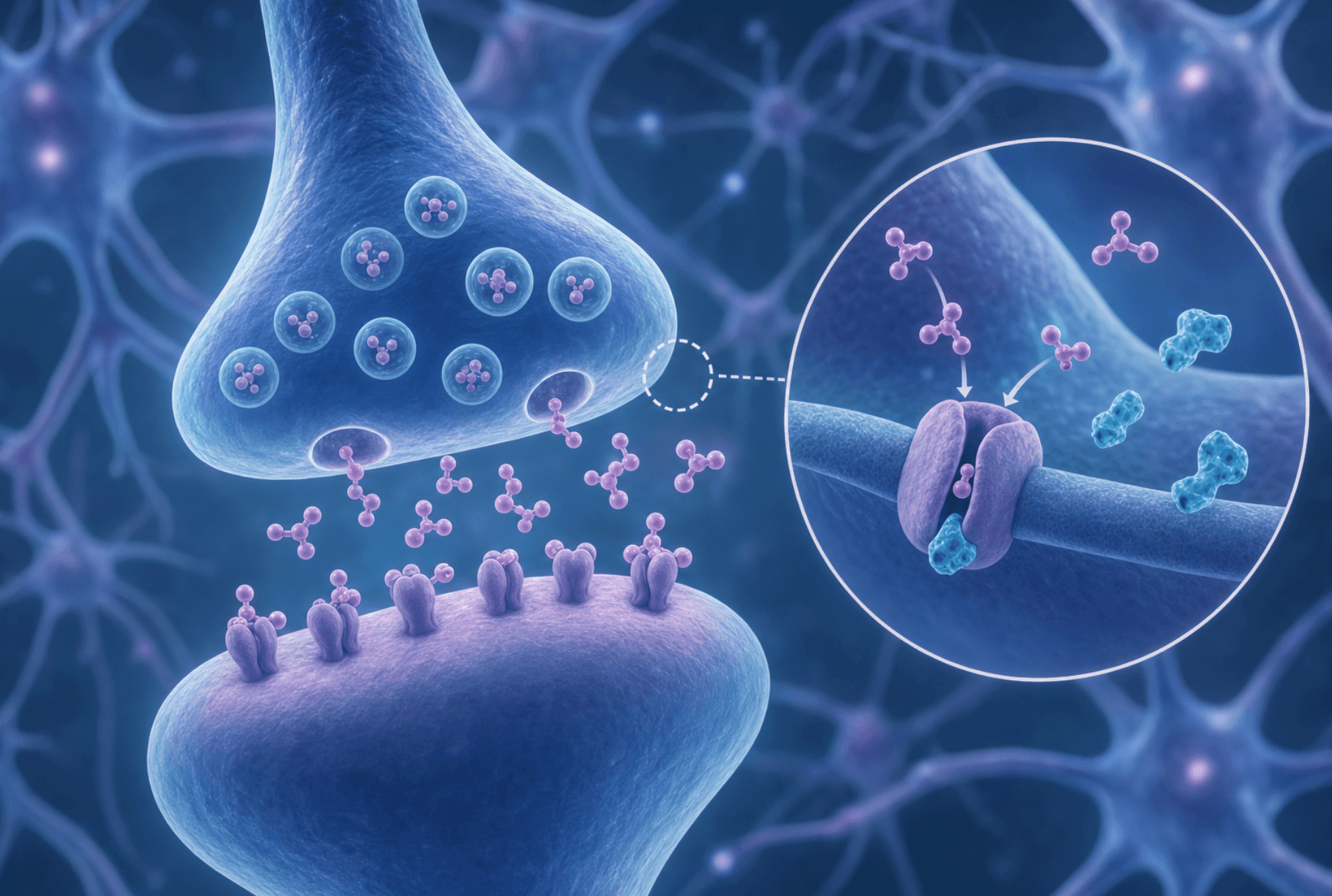
Stimulants primarily increase the availability of two neurotransmitters in the brain: dopamine and norepinephrine. Both chemicals are released in higher concentrations when stimulant medications are present, and both play a role in how the brain manages attention, motivation, and impulse control.
Dopamine is often described as the brain's reward signal. In people with ADHD, dopamine signaling in the prefrontal cortex tends to be weaker or less consistent, which can make it harder to hold focus on tasks that aren't immediately rewarding. Norepinephrine works alongside dopamine to sharpen attention and manage arousal, helping the brain filter out distractions and stay locked on a goal.
There are two main ways stimulant medications increase these neurotransmitter levels:
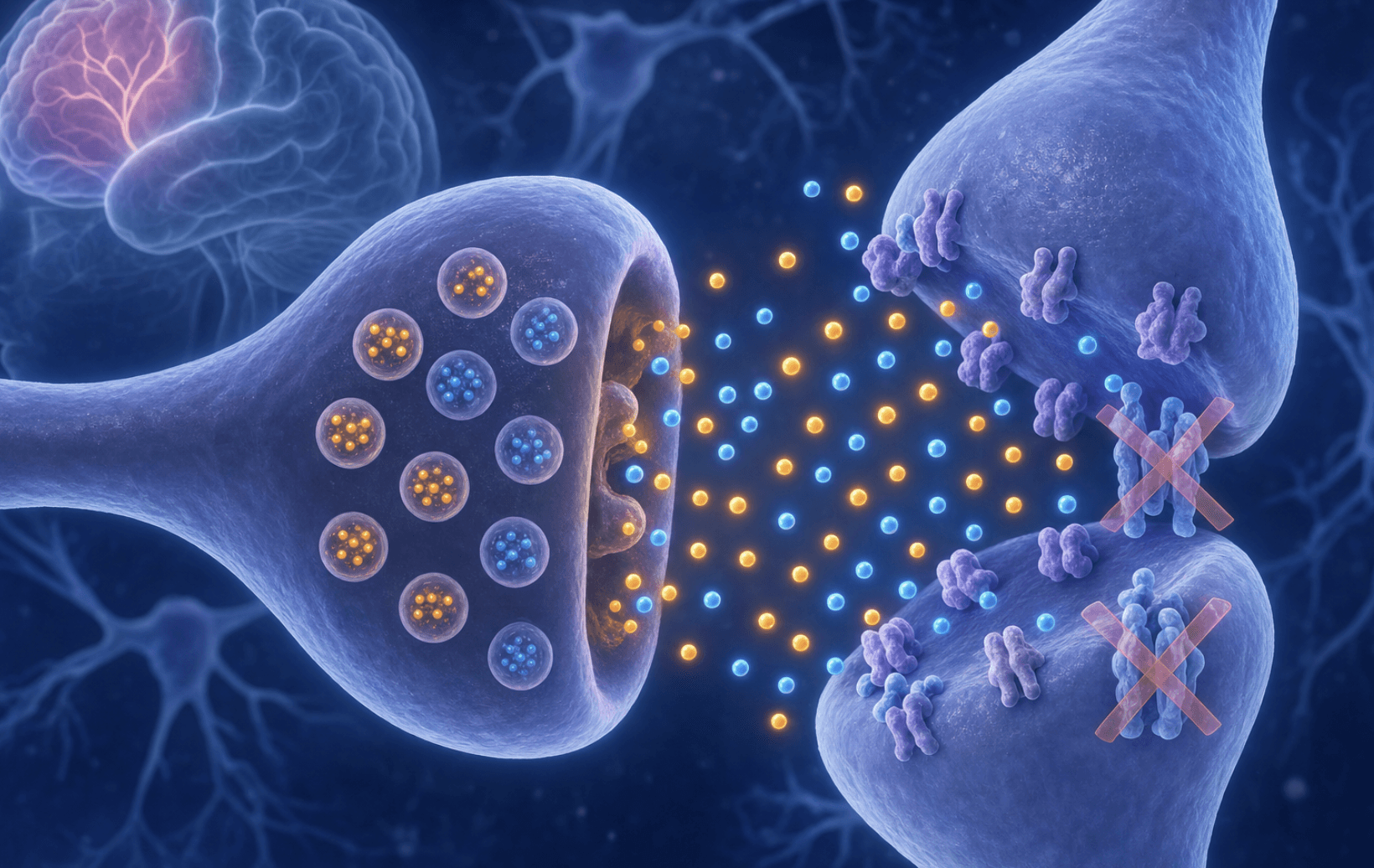
Blocking reuptake: The medication prevents dopamine and norepinephrine from being reabsorbed by the neurons that released them, leaving more of each chemical available at the synapse to maintain signaling.
Triggering an additional release: Some stimulants also prompt neurons to release more dopamine and norepinephrine directly, producing a stronger or faster effect on neurotransmitter levels.
How Adderall, Vyvanse, and Ritalin differ at this level
Different medications act on these pathways in distinct ways, which is part of why one medication may work better for a given person than another. Adderall blocks reuptake and triggers the release of both dopamine and norepinephrine. Vyvanse is a prodrug that converts to active amphetamine in the body, then blocks reuptake and triggers release. Ritalin blocks reuptake without triggering additional release.
Ritalin's reuptake-only mechanism tends to produce a somewhat milder dopamine effect compared to amphetamine-based medications. Vyvanse's prodrug design means it must be metabolized before becoming active, resulting in a slower onset and a more gradual concentration curve throughout the day.
Not everyone responds the same way to each mechanism. A clinician assessing your response can adjust which medication, formulation, or dose makes sense based on how symptoms change over time, including non-stimulant options when appropriate.
How Amphetamines Work: Adderall and Vyvanse
Adderall and Vyvanse both belong to the amphetamine class, but they work in slightly different ways once they enter the body.
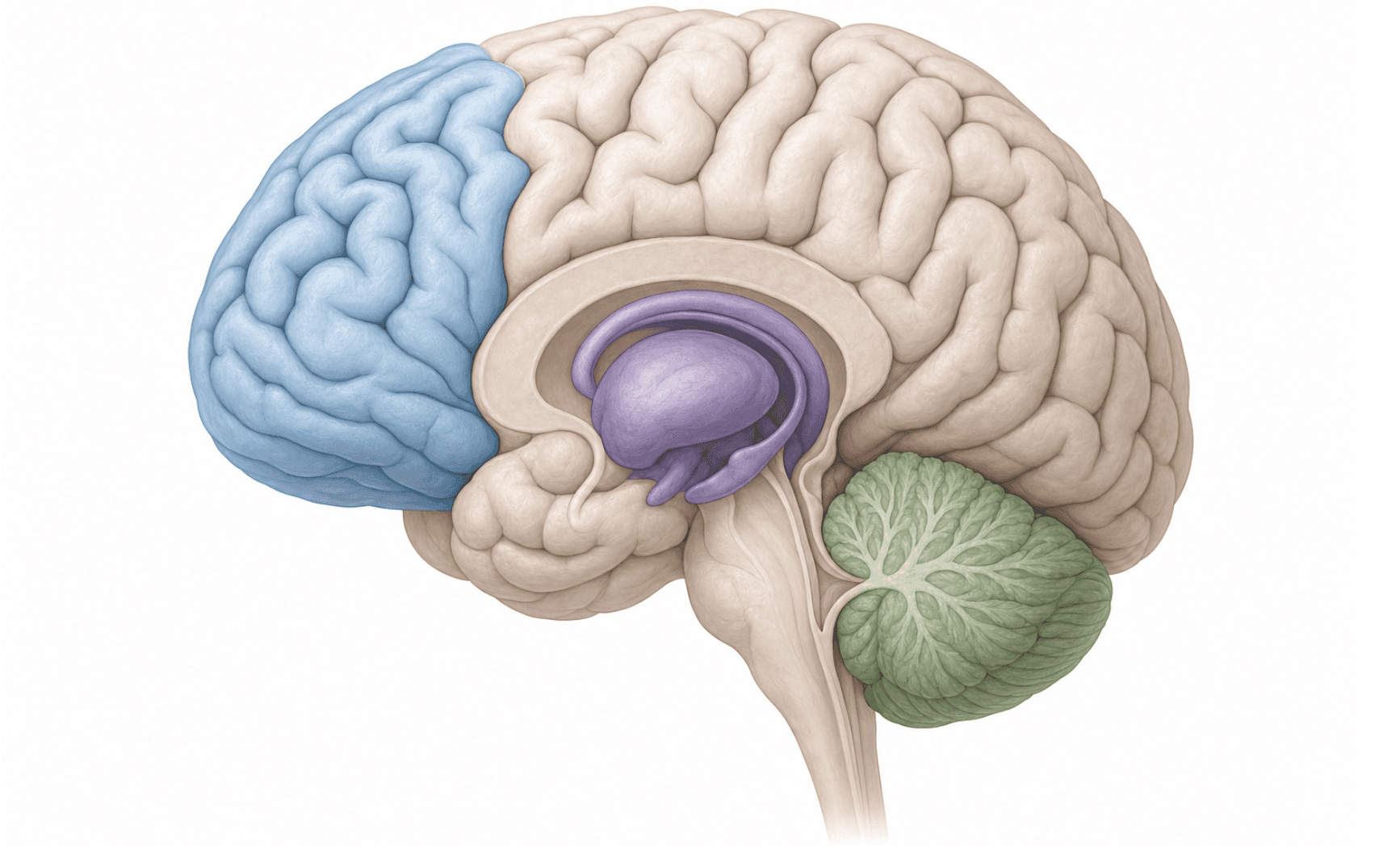
Adderall is a mixture of amphetamine salts that acts quickly after you take them. Once absorbed, amphetamines do two things at once: they push dopamine and norepinephrine out of storage in neurons, and they block the transporters that would normally pull those neurotransmitters back in. The result is a sharp rise in dopamine and norepinephrine activity in the prefrontal cortex, the region responsible for attention, impulse control, and working memory.
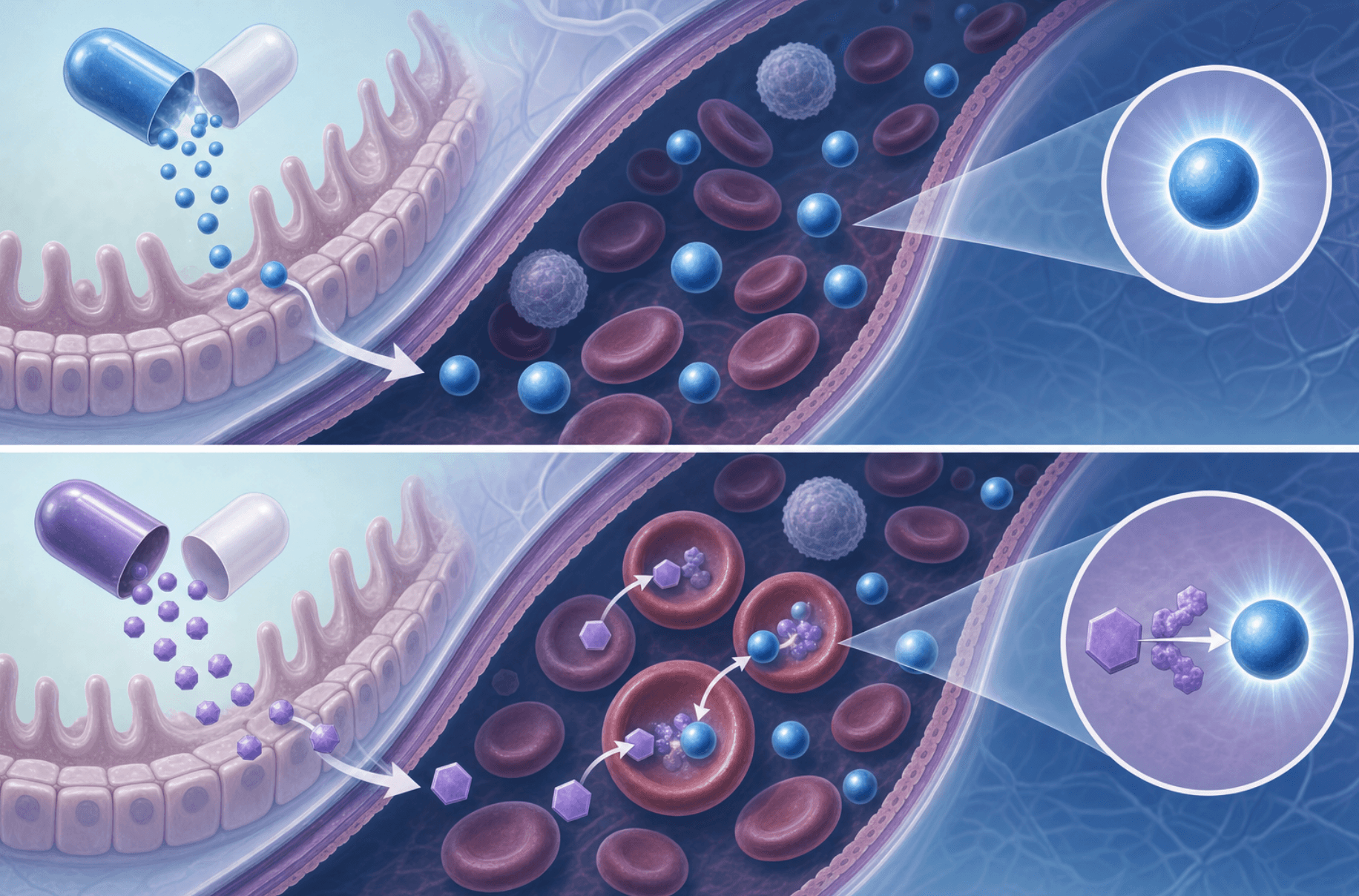
Vyvanse (lisdexamfetamine) follows the same downstream path, but gets there differently. It is a prodrug, meaning it is inactive until your body converts it. After you swallow a capsule, enzymes in the bloodstream cleave off an attached lysine molecule, releasing d-amphetamine gradually. That slower conversion tends to produce a smoother onset and a longer duration than Adderall, which can be useful for people who find the peaks and valleys of shorter-acting formulations disruptive.
Adderall XR uses mixed amphetamine salts with an onset of 30 to 60 minutes and a duration of 8 to 12 hours. Vyvanse converts lisdexamfetamine to d-amphetamine in the body, which produces a slower onset of 1 to 2 hours and lasts 10 to 14 hours. The prodrug conversion in Vyvanse creates a lower abuse potential compared to Adderall. Both are available as generics as of 2023.
Not everyone is a good candidate for stimulant medication, and prescribing controlled substances requires a careful evaluation and ongoing follow-up.
How Methylphenidate Works: Ritalin
Methylphenidate binds to the dopamine transporter (DAT) and the norepinephrine transporter (NET), physically blocking them from reuptaking neurotransmitters. More dopamine and norepinephrine linger in the synapse, prolonging signaling.
The key distinction from amphetamines is what methylphenidate does not do: at standard therapeutic doses, it does not prompt neurons to release additional dopamine reserves. Amphetamines push stored dopamine out; methylphenidate holds the door open longer. That narrower mechanism can produce a somewhat different tolerability profile, and some people find it causes less of the sharp rise-and-fall feeling that higher-release medications can bring.
Short-acting vs. extended-release formulations
Ritalin itself typically lasts three to five hours. Extended-release formulations like Concerta use a more complex delivery system to maintain effects across the day without requiring multiple doses. A clinician can recommend the formulation that fits your schedule and symptom pattern, since how long the medication needs to work is often as relevant as which medication to use.
Recent Research: Stimulants May Work Through Arousal and Reward, Beyond Attention Alone
Older models of stimulant action focused almost entirely on dopamine and norepinephrine reuptake inhibition in the prefrontal cortex. Research published since 2022 suggests the picture is broader.
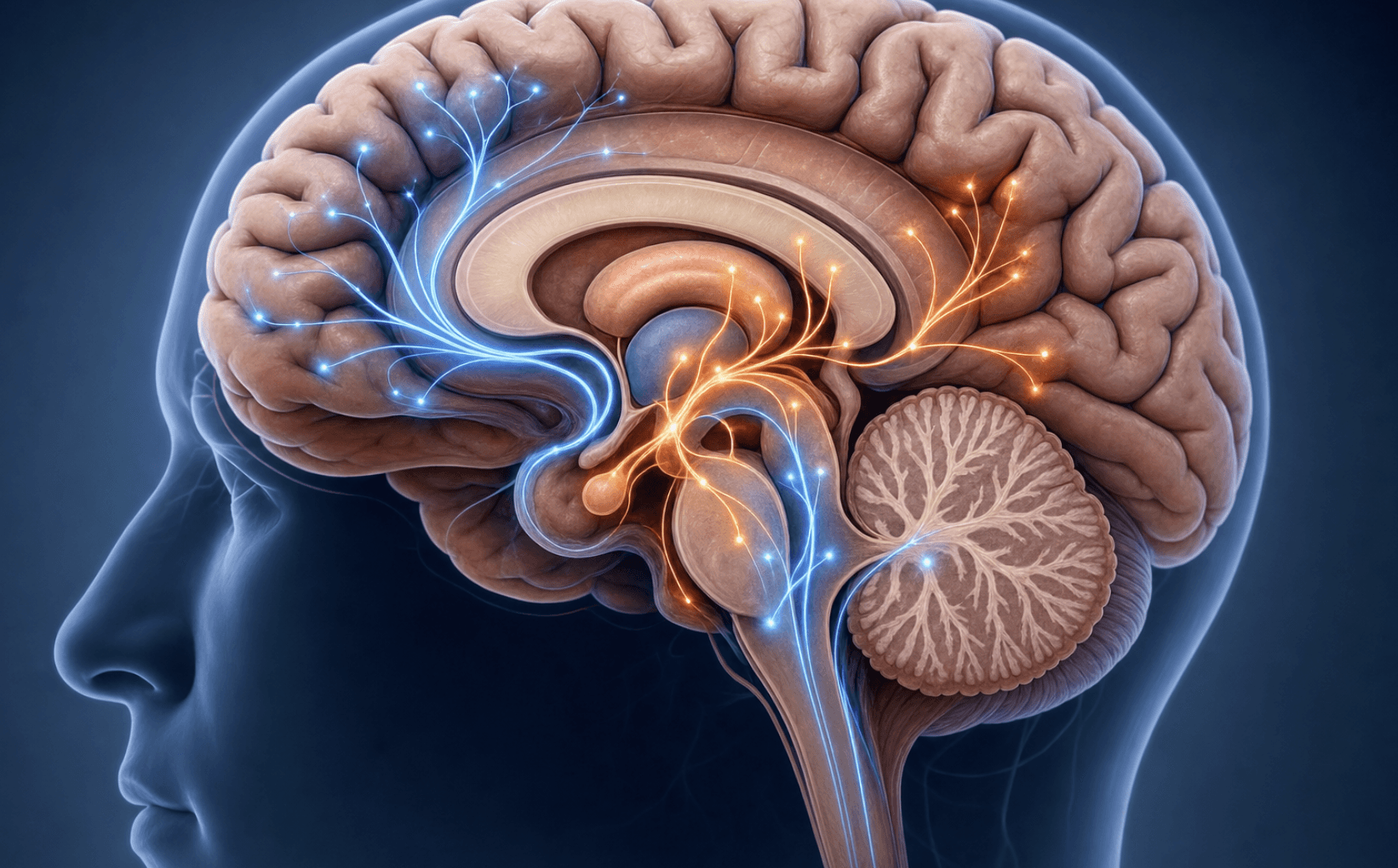
A growing body of work points to the locus coeruleus, a small brainstem region that controls arousal and alertness across the whole brain. Norepinephrine release may be part of why stimulants affect wakefulness and sustained attention, beyond executive function alone. A WashU Medicine study on stimulant mechanisms suggests these medications work through arousal and reward circuits instead of attention pathways alone.
There is also renewed interest in the reward circuitry of the ventral striatum. Some researchers now think stimulants help people with ADHD engage with tasks partly by restoring a baseline level of dopaminergic signaling in reward pathways, making ordinary, low-stimulation work feel less aversive instead of simply improving focus as a standalone effect.
The practical implications are still being studied. The mechanisms likely vary across medications:
Amphetamine salts (Adderall, Vyvanse) act on both reuptake and active release of dopamine and norepinephrine, which may produce broader arousal effects at therapeutic doses.
Methylphenidate (Ritalin, Concerta) primarily acts by blocking reuptake without triggering active release, a difference that may explain why some patients respond better to one class than the other.
None of this overturns the foundational model, but it does suggest that "ADHD medication mechanism" is more distributed across brain systems than early research implied. Clinicians assessing which medication fits a given patient are weighing these overlapping pathways, not applying a single uniform rule.
Key Differences Between Adderall, Vyvanse, and Ritalin
These three medications are often grouped together, but they work through meaningfully different mechanisms and have distinct profiles worth understanding.
Adderall vs. Vyvanse
Adderall (amphetamine salts) acts quickly and directly. It enters the bloodstream and starts affecting dopamine and norepinephrine levels within about 30 minutes. Adderall XR, the extended-release form, typically lasts 8 to 12 hours. Because it releases amphetamine more immediately, some people notice a clearer peak and a more abrupt drop-off as the dose wears off toward the afternoon.
Vyvanse (lisdexamfetamine) is a prodrug, meaning it is inactive until your body converts it into active dextroamphetamine. That conversion takes roughly 1 to 2 hours after ingestion and produces a more gradual concentration curve, with most people experiencing effects across 10 to 14 hours. The slower rise can feel smoother day to day, and the metabolic conversion step means the drug cannot be activated more quickly by crushing or snorting it, which reduces its misuse potential compared to Adderall.
In practice, some people find Adderall's faster onset helpful for mornings when they need effects quickly, while others prefer Vyvanse's longer, steadier coverage for full-day focus without an afternoon rebound. Neither is categorically better; the right fit depends on your schedule, how you respond to coverage peaks and valleys, and any co-occurring conditions your clinician is weighing. Vyvanse does not currently have a generic equivalent, which makes it more expensive out of pocket than Adderall generic formulations for many patients.
Ritalin's different mechanism
Ritalin (methylphenidate) works differently from amphetamine-based medications. Instead of triggering dopamine release from neurons, it primarily blocks the reuptake of dopamine and norepinephrine, keeping more of those neurotransmitters available in the synapse for longer. The clinical effects can feel similar, but the underlying pathways are distinct.
Here is a brief comparison of the three:
Medication | Drug class | Primary mechanism | Onset |
|---|---|---|---|
Adderall | Amphetamine salts | Releases dopamine and norepinephrine | 30 to 60 minutes |
Vyvanse | Prodrug amphetamine | Converts to active form in the body | 1 to 2 hours |
Ritalin | Methylphenidate | Blocks dopamine and norepinephrine reuptake | 20 to 30 minutes |
No single medication works best for everyone. A clinician assessing your history, existing conditions, and other medications can help determine which option may be appropriate for your situation.
Common Side Effects of Stimulant Medications
Stimulants are generally well-tolerated, but side effects are common, especially early in treatment. Most are dose-dependent, meaning they often ease with adjustments.
Physical side effects
Appetite suppression is one of the most frequently reported effects and can lead to weight loss over time if meals are consistently skipped.
Increased heart rate and modest increases in blood pressure occur in many patients, so clinicians typically monitor cardiovascular status during treatment.
Headaches and dry mouth are common at the start and often improve after the first few weeks.
Sleep difficulties, particularly with afternoon or evening doses, can compound existing ADHD-related sleep problems.
Psychological side effects
Increased anxiety or restlessness may appear, particularly in patients who already have co-occurring ADHD and anxiety. This is worth discussing with a clinician before starting treatment.
Emotional blunting, sometimes described as feeling "flat," can occur at higher doses and may prompt a dose review.
A "rebound" effect, where irritability or low mood appears as the medication wears off, is reported by some patients.
Not everyone is a good candidate for stimulant medication, and side effect profiles vary between individuals. A prescribing clinician can help weigh these risks against potential benefits as part of a careful evaluation.
Cardiovascular Effects and Safety Monitoring
Stimulant medications raise heart rate and blood pressure by activating the sympathetic nervous system, which is worth understanding before starting treatment.
For most healthy adults, these changes are modest. Published research on cardiovascular effects reports average increases of around 2 to 4 mmHg in blood pressure and 3 to 6 beats per minute in heart rate. Clinicians typically check baseline cardiovascular status before prescribing and monitor these markers at follow-up visits. Clinical guidelines on cardiovascular monitoring recommend checking blood pressure and pulse within one to three months of starting treatment.
A few situations call for extra caution:
People with a history of structural heart problems, arrhythmias, or uncontrolled hypertension may not be good candidates for stimulant medication.
Stimulants may increase arousal or restlessness in patients who already experience anxiety, which some clinicians weigh carefully before prescribing.
Combining stimulants with other medications that affect heart rate requires review by a prescriber.
Not everyone is a good candidate for stimulant medication. Prescribing controlled medications requires a careful evaluation and follow-up, and any cardiovascular concerns should be part of that conversation from the start.
Who Should and Shouldn't Take Stimulant Medications
Stimulants are most appropriate for people who have received a confirmed ADHD diagnosis after a thorough clinical evaluation. Some formulations also hold FDA approval for narcolepsy.
Several groups warrant extra caution:
People with a history of substance use disorders, where the Schedule II status of stimulants calls for a more detailed prescribing conversation and closer monitoring throughout treatment
Those with anxiety, since stimulant effects on norepinephrine may increase arousal or restlessness at therapeutic doses, and who might consider non-stimulant medications like Kapvay
Pregnant or breastfeeding individuals, where risk-benefit considerations shift considerably
Active psychosis, certain structural cardiac conditions, and uncontrolled hypertension are generally clearer contraindications. Not everyone is a good candidate for stimulant medication. Prescribing controlled medications requires a careful evaluation, and a clinician assessing your full health picture makes that determination, not a checklist.
Getting Started With Stimulant Treatment in Texas
For Texas adults considering a stimulant evaluation, Legion Health offers comprehensive psychiatric evaluations through licensed psychiatric clinicians, with QbCheck objective testing included at no extra cost. Appointments are typically available within three to five days.
Legion accepts most major Texas commercial insurance plans, and most patients pay around a typical specialist copay. Because ADHD rarely arrives without company, clinicians assess and manage co-occurring conditions like anxiety and depression alongside ADHD, building treatment plans that reflect the full picture instead of one condition at a time.
Controlled medications are prescribed only when clinically appropriate, following a thorough evaluation and with ongoing follow-up built in. No referral is required to get started.
Final Thoughts on How ADHD Stimulants Function
Stimulant medications work by changing how dopamine and norepinephrine behave in your brain, but the way each medication does that varies enough to matter clinically. Some people respond well to the first option they try, others need to switch formulations or drug classes before finding something that works without causing problems. A clinician who understands these mechanisms can help you make sense of what you're experiencing and adjust your treatment accordingly. Texas adults can schedule a psychiatry evaluation with Legion, including objective testing, usually within three to five days.
FAQ
Can I build an ADHD treatment plan without stimulant medication?
Yes. Treatment plans are individualized and based on a comprehensive evaluation, and not everyone is a good candidate for stimulant medication. Your clinician can assess whether non-stimulant medications, behavioral strategies, or another approach better fits your situation.
How do stimulants work if I have both ADHD and anxiety?
Stimulants increase dopamine and norepinephrine, which help with attention and impulse control, but may increase arousal or restlessness in some patients who already experience anxiety. A clinician who sees both conditions can decide which to treat first and monitor how the medications affect both symptom sets.
Adderall vs Vyvanse for adult ADHD?
Adderall (amphetamine salts) acts quickly and lasts 8 to 12 hours, while Vyvanse (lisdexamfetamine) is a prodrug that converts gradually in the body, producing a smoother onset and lasting 10 to 14 hours. Vyvanse's slower conversion also makes it harder to misuse, which some clinicians weigh when prescribing controlled substances.
What's the difference between how Adderall and Ritalin work in the brain?
Adderall blocks reuptake and triggers additional release of dopamine and norepinephrine, while Ritalin only blocks reuptake without pushing stored neurotransmitters out. That narrower mechanism can produce a different tolerability profile, which is why some people respond better to one than the other.
When should I talk to a clinician about stimulant side effects?
If you experience cardiovascular changes (increased heart rate or blood pressure), sleep problems, appetite suppression that affects your weight, increased anxiety or restlessness, or emotional blunting, bring it up at your next visit. Prescribing controlled medications requires ongoing follow-up, and many side effects can be managed with dose adjustments or a different medication.
This article is for informational purposes and is not medical advice. If you think you may have symptoms of a mental health condition, a psychiatric evaluation can help.
How legion health Can Help You
If you’re in perimenopause or menopause and want guidance from clinicians who specialize in women’s midlife health, book a virtual visit with Legion Health today.
Hormonal changes are at the root of many symptoms women experience in the years before and after their periods stop.
Our trained menopause specialists help you connect the dots and guide you toward safe, effective solutions.
Whether you need personalized care or a prescription-based treatment plan to manage symptoms—including brain fog, hot flashes, sleep issues, mood swings, and weight gain—we’ve got you covered. Learn more here.
We're honored to support thousands on their journeys. Here's what some have shared: