

TLDR:
Anxiety often shows up physically before you notice it emotionally, as gut issues, muscle tension, or fatigue.
Your body can remain in a low-level state of alert even during sleep, leaving you exhausted no matter how much rest you get.
Chest pain and heart palpitations from anxiety can feel identical to cardiac emergencies and need medical evaluation.
High-functioning anxiety masks itself as productivity, while chronic tension and sleep disruption build silently inside.
Legion Health treats Texas adults whose anxiety presents as physical symptoms through evaluations by licensed psychiatric clinicians.
You clench your jaw overnight without realizing it. Your stomach reacts to stress before your brain does. You feel exhausted even after sleeping eight hours. Physical signs of anxiety don't always feel like worry or panic. They feel like tension, digestive issues, fatigue, or a racing heart for no clear reason. Because these hidden anxiety symptoms show up in your body instead of your thoughts, it's easy to attribute them to something else entirely. A lot of people see specialists for chronic pain, palpitations, or GI trouble before anyone suggests anxiety might be driving it. Once you recognize the pattern, though, the symptoms start to make more sense.
When Your Body Speaks Anxiety Before Your Mind Does
Many people think of anxiety as a mental experience: racing thoughts, excessive worry, a sense that something is about to go wrong. But the body often registers anxiety well before conscious awareness catches up.
Physical signs of anxiety can show up as tension, digestive discomfort, fatigue, or a racing heart, and because these symptoms don't always feel emotional, they're easy to dismiss or attribute to something else entirely. A person might see a gastroenterologist for chronic stomach issues, a cardiologist for palpitations, or a sleep specialist for insomnia, without anyone connecting the dots back to anxiety.
Why does the body respond first?
The nervous system does not distinguish between a real physical threat and a perceived one. When anxiety activates the stress response, the body prepares to act: heart rate climbs, muscles tighten, digestion slows, and breathing changes. These are not side effects of anxiety. They are anxiety, expressed through physiology instead of thought.
This matters because hidden anxiety symptoms often go unrecognized for years. Without a clear emotional component, people may not consider anxiety as a possible explanation for what they're experiencing physically.
Your Digestive System as an Anxiety Barometer
The gut and the brain share a direct communication pathway called the gut-brain axis, and anxiety can disrupt it in ways that feel entirely physical. Nausea before a stressful event, a sudden urge to use the bathroom, or persistent bloating with no clear dietary cause can all be physical signs of anxiety instead of a digestive condition.
These symptoms often get attributed to irritable bowel syndrome, food sensitivities, or just a "sensitive stomach." Research suggests there is meaningful overlap: studies show that anxiety disorders and gastrointestinal conditions frequently co-occur, which can make it harder to identify which came first.
Common gut-based anxiety symptoms include:
Nausea or stomach upset that appears before or during stressful situations, without any change in what you ate
Frequent loose stools or constipation that comes and goes alongside periods of worry or tension
A sensation of "butterflies" or cramping that lingers even after the stressful moment has passed
If your gut symptoms tend to worsen around stress and ease when things calm down, that pattern is worth mentioning to a clinician.
Muscle Tension That Feels Like Injury
Chronic muscle tightness is one of the more confusing physical signs of anxiety because it so closely mimics a musculoskeletal injury. The shoulders creep toward the ears, the jaw clenches overnight, the lower back aches without any obvious cause. People see physical therapists, chiropractors, or orthopedic specialists before anyone thinks to ask whether stress or anxiety might be driving it.
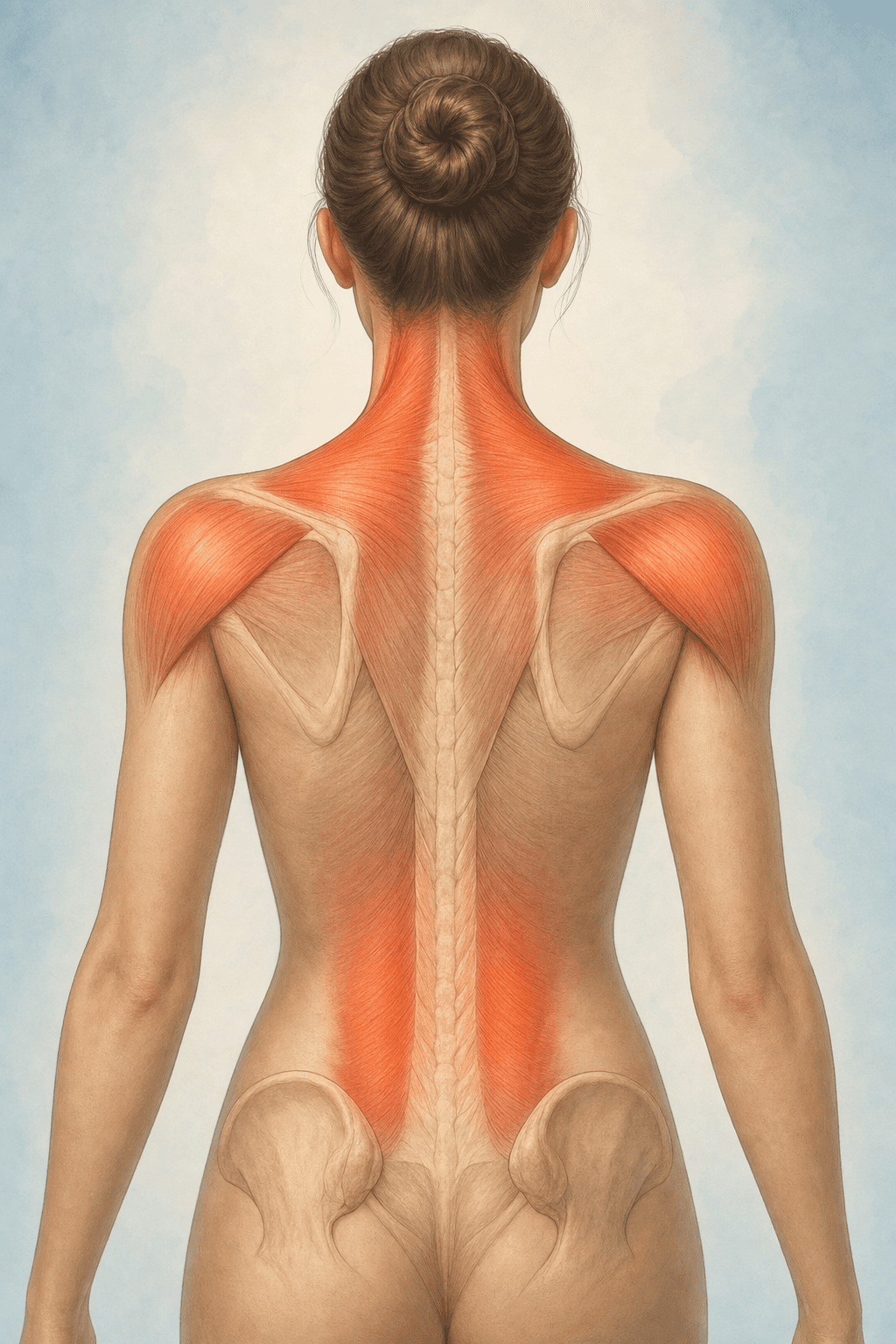
When the nervous system stays in a prolonged state of alertness, muscles tense as if preparing for a physical threat. That tension can become so habitual it stops feeling like a symptom and starts feeling like just how your body is.
Common areas where anxiety-related tension shows up include:
Area | How It Presents | Often Mistaken For |
|---|---|---|
Jaw and face | Teeth grinding (bruxism), TMJ pain, and soreness that worsens during stressful periods | Dental problems, jaw injury |
Neck and shoulders | Tightness that refers to pain in the upper back or triggers tension headaches | Poor posture, musculoskeletal injury |
Lower back | Persistent ache without an obvious cause | Sedentary work, postural issues |
The Exhaustion: No Amount of Sleep Fixes
Fatigue that doesn't lift after a full night of sleep is one of the more disorienting physical signs of anxiety. Hours of sleep can be adequate while recovery quality falls short: the nervous system stays in a low-level alert state, preventing the deep restoration that sleep is supposed to provide.
The result is tiredness that feels out of proportion to your day. You wake already worn out, and tasks that should feel manageable take more than they should. People often attribute this pattern to poor sleep habits, anemia, thyroid issues, or general burnout before anxiety enters the picture.
When anxiety runs continuously in the background, the body keeps spending energy it never fully replenishes. That sustained physiological load accumulates quietly, which is why exhaustion that doesn't respond to more sleep is worth raising with a clinician.
Cardiovascular Symptoms You Mistake for Medical Emergencies
Anxiety can push your heart into overdrive. Racing heart, chest tightness, and shortness of breath are among the most common physical signs of anxiety, and they're also the symptoms most likely to send someone to the emergency room convinced something is seriously wrong.
The cardiovascular response is real. When anxiety activates the fight-or-flight system, your body releases adrenaline, your heart rate climbs, and blood vessels tighten. Your heart is not failing, but it can feel that way.
A few specific patterns show up repeatedly:
Palpitations like pounding, skipping, or fluttering, often occurring at rest or waking you from sleep, when there's no obvious physical trigger.
Chest pressure or tightness that doesn't worsen with movement, the way cardiac chest pain typically does, and often changes or fades within minutes.
Shortness of breath without exertion, sometimes paired with a feeling that you can't get a full breath, which can itself worsen anxiety and create a feedback loop.
If you're experiencing chest pain for the first time, getting it checked by a doctor is the right call. A clinician can help determine whether what you're feeling is anxiety-related or something that needs further cardiac workup. The two aren't always easy to tell apart on your own, and hidden anxiety symptoms often go unrecognized precisely because the physical experience feels so convincing.
Sleep Disruption Beyond Simple Insomnia
Anxiety does not always announce itself with racing thoughts or a pounding heart. For many people, it shows up first in how they sleep, and in ways that go well beyond lying awake at night.
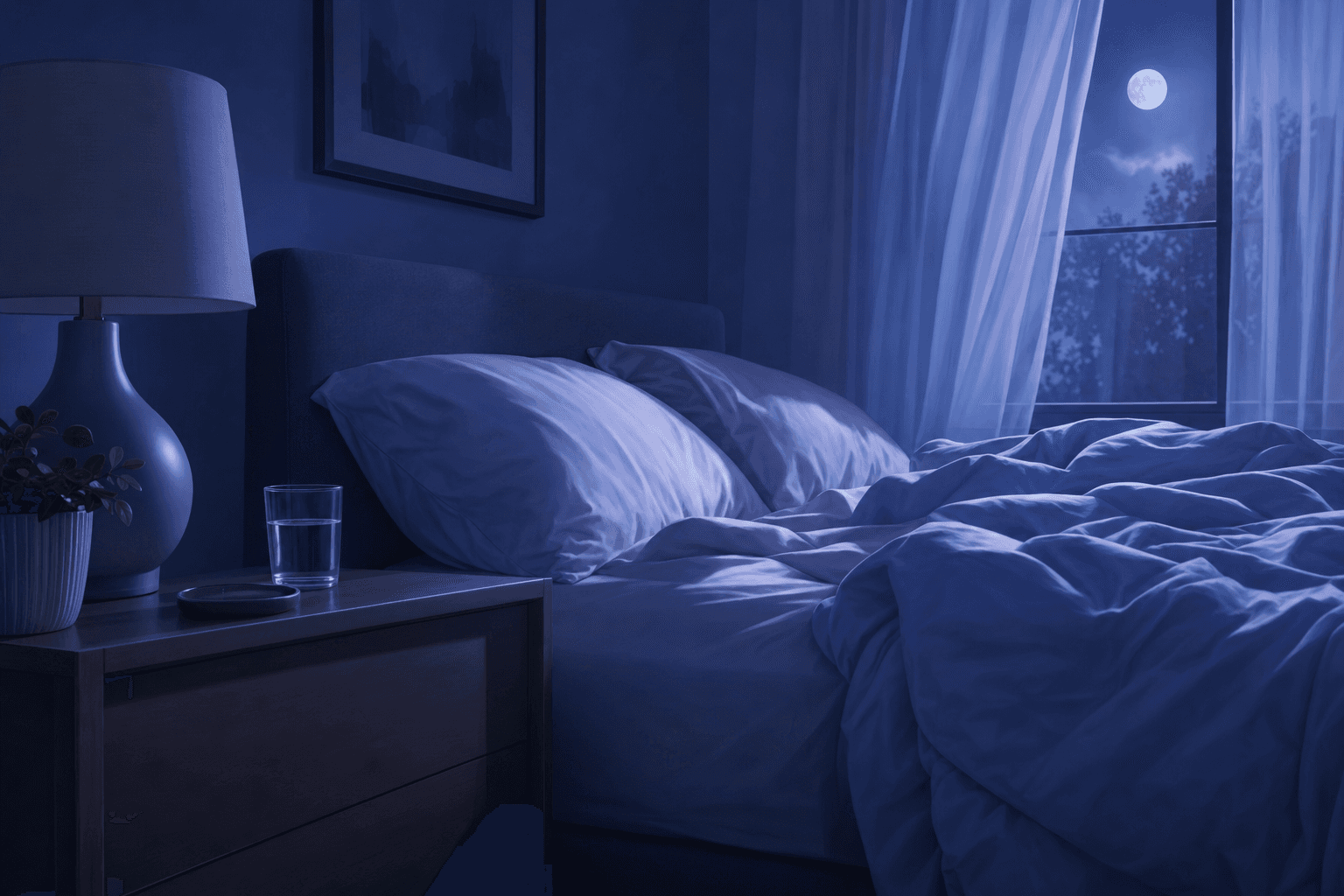
Sleep disruption tied to anxiety can look like waking repeatedly between 2 and 4 a.m., often with a sudden sense of dread that has no clear source. It can look like sleeping a full eight hours and still feeling exhausted, because the body spent the night cycling through shallow sleep stages without reaching the deeper, restorative ones.
Patterns worth paying attention to
Waking in the early morning hours with an alert, almost wired feeling because the nervous system is still running a low-grade threat response even while you sleep.
Vivid, exhausting dreams that leave you feeling like you worked all night instead of resting.
Difficulty staying asleep after waking, because anxious thoughts about the day ahead take over before morning even arrives.
Needing more sleep than usual but never feeling recovered, which can be masked as depression or burnout instead of anxiety.
These patterns matter because chronic sleep disruption feeds back into anxiety itself, creating a cycle that can be hard to untangle without support. If disrupted sleep is a regular experience for you, a clinician can help determine whether anxiety may be a contributing factor.
Headaches and Jaw Pain From Tension You Don't Notice
Anxiety doesn't always feel like worry. For many people, it shows up in the body first, and two of the most commonly missed physical signs of anxiety are tension headaches and jaw pain from bruxism (teeth grinding or clenching).
When the nervous system remains in a low-level state of alert, muscles throughout the head, neck, and face tighten involuntarily. That chronic tension can produce a dull, pressure-based headache that wraps around the forehead or squeezes the base of the skull. People often treat it as a hydration problem or blame screen time, never connecting it to anxiety.
Bruxism as a hidden anxiety symptom
Jaw clenching often occurs during sleep, making it especially easy to miss. You may wake up with soreness around the jaw, ear pain, or a dull ache across the temples without knowing why.
Common signs that jaw tension may be anxiety-related include:
Waking with a sore or tired jaw, even after a full night of sleep
Headaches that start at the temples and show up most mornings
A dentist noting worn enamel or signs of grinding before you ever reported symptoms
Ear discomfort with no infection or structural cause found
These symptoms can persist for months while anxiety goes unrecognized. A clinician can help determine whether what you are experiencing reflects an underlying anxiety condition worth assessing.
When High Performance Masks High Anxiety
Some people with anxiety don't look anxious at all. They meet deadlines, stay composed under pressure, and often get labeled as driven or reliable. On the surface, nothing seems wrong.
This is sometimes called high-functioning anxiety, though it isn't a formal diagnosis. The anxiety is real, but it gets channeled into productivity, people-pleasing, or relentless preparation instead of visible distress.
A few patterns that often show up here:
Overworking as a coping mechanism, where staying busy keeps worry from surfacing
Difficulty delegating because the fear of something going wrong feels too great
Saying yes when the real answer is no, to avoid conflict or disapproval
Preparing obsessively for situations that most people handle without much thought
The cost tends to be internal. Chronic tension, disrupted sleep, and exhaustion that doesn't lift after rest are common. Because performance stays intact, the anxiety often goes unrecognized for years.
How Legion Health Approaches Physical Anxiety Symptoms in Texas Adults
Legion Health is a Texas-based psychiatric care provider that treats adults experiencing anxiety, including those whose symptoms show up as physical complaints, avoidance patterns, or chronic stress responses instead of overt worry.
Care is delivered by licensed psychiatric clinicians, including psychiatric nurse practitioners, who conduct thorough evaluations to assess whether physical symptoms like fatigue, GI distress, or muscle tension have an anxiety-related component. A clinician assessing you will look at the full picture, including context beyond the symptoms you lead with.
If anxiety symptoms are affecting your daily life, a psychiatric evaluation can help clarify what's driving them and what options may fit your situation.
Final Thoughts on Anxiety Symptoms That Don't Look Like Worry
Anxiety expressed through the body instead of the mind goes unrecognized because it doesn't match what most people expect anxiety to feel like. The nervous system doesn't wait for you to register worry before it responds, which is why physical symptoms often arrive first. If you've been managing what feels like separate health issues and they all seem to worsen when life gets stressful, it's worth raising that pattern with a clinician who can assess the full picture. Legion Health provides psychiatric evaluations for Texas adults when physical symptoms like fatigue, tension, or GI distress don't have a clear medical cause, and checks if we're a fit.
FAQ
What's the difference between physical signs of anxiety and hidden anxiety symptoms?
Physical signs of anxiety are the body's physiological responses, like muscle tension, digestive issues, or a racing heart, while hidden anxiety symptoms refer to any anxiety manifestations that don't present as obvious worry or emotional distress, which often include those same physical signs. Both terms describe how anxiety can show up in ways people don't immediately recognize as anxiety-related.
Can anxiety cause digestive problems even when I'm not consciously worried?
Yes. The gut-brain axis creates a direct communication pathway between your digestive system and nervous system, so anxiety can trigger nausea, bloating, or changes in bowel habits without any conscious feeling of worry. Research shows anxiety disorders and gastrointestinal conditions frequently co-occur, and if your gut symptoms tend to worsen around stress and ease when things calm down, that pattern is worth mentioning to a clinician.
Chronic muscle tension vs anxiety: how do I know if my pain is actually anxiety-related?
If your muscle tightness appears in common anxiety areas (jaw, neck, and shoulders, or lower back), worsens during stressful periods, and doesn't respond to typical physical therapy or musculoskeletal treatments, it may be anxiety-driven instead of an injury. A clinician assessing you can look at the full picture, including when symptoms appear and what else is happening in your life, to determine whether anxiety is playing a role.
Should I see a cardiologist or a psychiatrist for chest tightness and palpitations?
If you're experiencing chest pain for the first time, getting it checked by a doctor is the right call. A clinician can help determine whether what you're feeling is anxiety-related or needs a cardiac workup. Anxiety-related chest pressure typically doesn't worsen with movement the way cardiac chest pain does, often changes or fades within minutes, and may occur at rest or during sleep when there's no physical trigger.
This article is for informational purposes and is not medical advice. If you think you may have symptoms of a mental health condition, a psychiatric evaluation can help.
How legion health Can Help You
If you’re in perimenopause or menopause and want guidance from clinicians who specialize in women’s midlife health, book a virtual visit with Legion Health today.
Hormonal changes are at the root of many symptoms women experience in the years before and after their periods stop.
Our trained menopause specialists help you connect the dots and guide you toward safe, effective solutions.
Whether you need personalized care or a prescription-based treatment plan to manage symptoms—including brain fog, hot flashes, sleep issues, mood swings, and weight gain—we’ve got you covered. Learn more here.
We're honored to support thousands on their journeys. Here's what some have shared:
Related articles
Panic Attack Symptoms: What to Expect (June 2026)
Panic Attacks Explained | Legion Health June 2026

Hydroxyzine for Anxiety: Dosage & Side Effects (April 2026)
Hydroxyzine Anxiety Dosage Guide | Legion Health

Wellbutrin for Anxiety: A Complete Guide (March 2026)
Wellbutrin for Anxiety Guide | Legion Health