Jan 1, 2026
UpLift Reviews, Pricing, and Alternatives (January 2026)
Written by:

Arthur MacWaters
Co-Founder, Legion Health
TLDR:
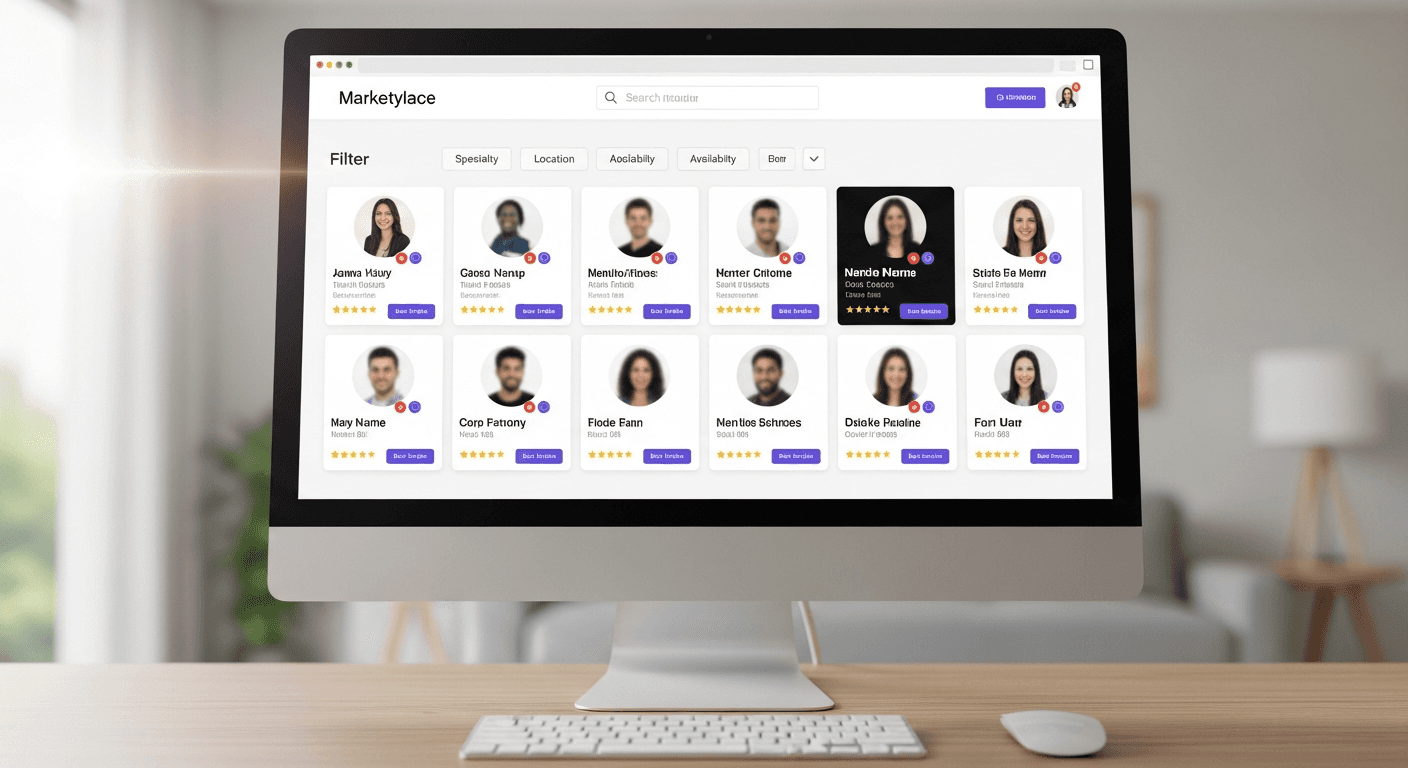
UpLift connects patients with independent providers in 13 states for therapy and psychiatry.
The marketplace model can mean inconsistent availability and limited psychiatric provider options.
Legion Health offers insurance-covered psychiatry in Texas with objective ADHD testing included.
Texas residents can schedule board-certified psychiatric care using major insurance plans.
UpLift availability is limited; Legion Health focuses on unified, reliable psychiatric care.
If you're trying to decide whether UpLift is right for you, it helps to know what you're actually getting. UpLift reviews show it's a marketplace that connects you with independent mental health providers, so your experience can vary depending on who's available in your area. This guide reviews how UpLift works, what it offers, and alternative options if you need something more structured or if UpLift isn't available where you live.
What Is UpLift and How Does It Work?
UpLift is a virtual mental health service connecting patients with licensed professionals for therapy, psychiatry, and medication management, similar to other telepsychiatry platforms serving busy professionals.
It functions as a provider marketplace, meaning therapists and psychiatric clinicians operate as independent providers delivering care through virtual appointments. Providers share clinical data to coordinate treatment plans.
How it works:
Network model: Over 1,500 licensed mental health professionals available.
Insurance partnerships: Agreements with major carriers for coverage through health plan partnerships.
Multi-state availability: Services offered in 13 U.S. states and Washington, D.C.
Flexible payment: Accepts insurance coverage and offers cash-pay options.
UpLift was acquired by Teladoc Health in 2025, bringing additional resources to the service. The service allows patients to browse independent clinicians and select providers based on availability and fit.
Why Consider UpLift Alternatives?
UpLift offers a way to find care using insurance and a directory of independent clinicians. However, as the U.S. digital mental health market is projected to reach $47.13 billion by 2035, growing competition has led to more specialized alternatives that showcase several of UpLift's limitations.
Geographic restrictions: The service operates in only 13 states and Washington, D.C., leaving most patients in the U.S. outside its service area.
Inconsistent patient experience: As a marketplace of independent contractors as opposed to a unified medical practice, availability and reliability vary. Patients sometimes report issues, including provider cancellations and sudden schedule changes.
Limited psychiatric availability: While therapists are common, psychiatric providers are often harder to find. Some locations list a few options for medication management.
Lack of standardized diagnostics: The service does not use objective, standardized testing tools for conditions like ADHD. Patients seeking rigorous evaluation often need specialized clinical focus.
Administrative challenges: Billing errors and support delays can interrupt care. When logistics become difficult, the focus of treatment suffers.
Patients who need rigorous psychiatric evaluation, consistent provider relationships, or specialized ADHD testing often find that unified clinic models offer more predictable care paths.
Best UpLift Alternatives in January 2025
Finding the right provider depends on your location, insurance, and clinical needs. Below are the top alternatives to consider.
Legion Health (Best Overall Alternative)
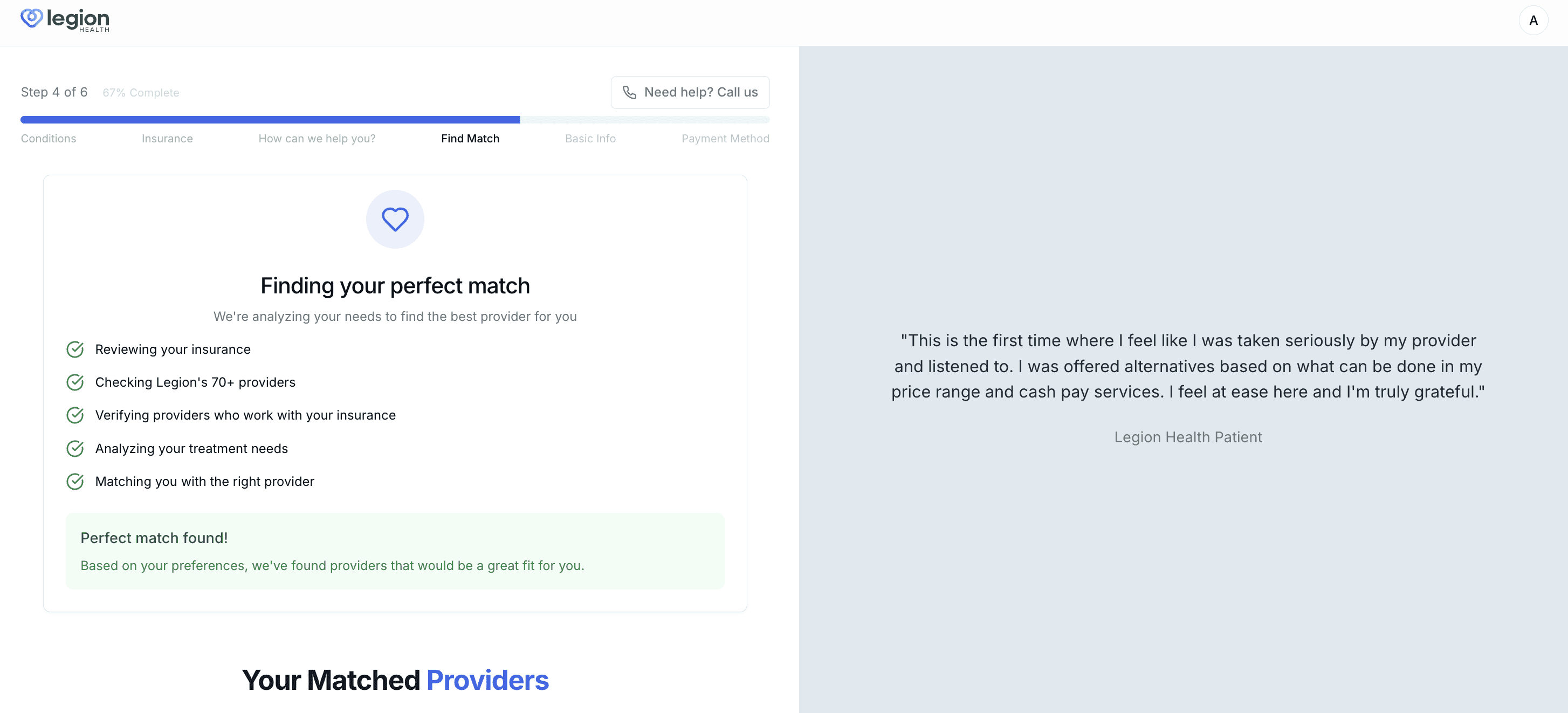
Legion Health is a virtual psychiatry clinic serving adults in Texas. The clinic operates as a unified medical practice focused on consistent, reliable psychiatric care.
What they offer:
Board-certified clinical team: Care delivered by psychiatric nurse practitioners and psychiatrists with unified oversight.
Objective ADHD testing: Includes FDA-cleared QbCheck testing at no additional cost to support diagnostic confidence.
Insurance-first model: Accepts major commercial insurance plans in Texas with standard specialist copays.
Care coordination: Coordinates with primary care physicians for health data, labs, and health history to support safety and medical integration.
Rigorous safety protocols: Follows strict standards for controlled substances with coordinated primary care oversight.
Best for: Texas adults seeking thorough psychiatric care using insurance, especially those with ADHD or complex conditions requiring safe medication management.
Limitation: Currently available only in Texas.
Bottom line: Legion Health solves what UpLift's marketplace model cannot: reliability, objective testing for accurate diagnosis, and a cohesive clinical team with unified care coordination.
Talkiatry
Talkiatry is a national practice accepting insurance only, meaning no self-pay option. The model relies primarily on psychiatrists for medication management.
What they offer:
Psychiatrist-led care: Board-certified psychiatrists deliver all medication management appointments.
Insurance-based model: Accepts most major insurance plans with in-network coverage options.
Virtual psychiatry: Delivers medication management through video visits.
National reach: Available in 45 states with broad insurance acceptance.
Best for: Patients with in-network insurance who prefer psychiatrist-led medication management.
Limitation: Does not offer objective ADHD testing or cash-pay options.
Bottom line: Talkiatry works well for insured patients seeking psychiatrist-led care. Legion Health often offers faster access and includes objective ADHD testing that Talkiatry does not provide.
Brightside Health
Brightside Health focuses on treating anxiety and depression through data-driven medication management. The service uses clinical tools to assist with treatment selection.
What they offer:
Condition-specific focus: Services dedicated to anxiety and depression treatment.
Data-driven approach: Uses tools to assist with medication selection and monitoring.
Insurance acceptance: Accepts several major insurance plans.
Clinician support: Combines clinician judgment with outcome tracking tools.
Best for: People dealing with depression or anxiety who do not require controlled substances.
Limitation: Does not prescribe stimulants or controlled medications.
Bottom line: Brightside works well for anxiety and depression. Legion Health treats a broader range of conditions, including ADHD, and can manage controlled substances when clinically appropriate.
Cerebral
Cerebral offers mental health services through a subscription model. The service provides access to both therapy and medication management for several common conditions. Cerebral doesn't accept insurance, making it costlier than insurance-based options. The service faced regulatory scrutiny in 2022-2023 regarding controlled substance prescribing practices and doesn't provide objective ADHD testing.
What they offer:
Bundled subscription model: Combined therapy and medication tracks in one plan.
Condition coverage: Services for anxiety, depression, and insomnia.
Flexibility: Subscription-based access to mental health services.
Multiple provider types: Works with psychiatrists and therapists.
Best for: Patients who prefer a bundled subscription structure for their care.
Limitation: The subscription model focuses on access versus rigorous diagnosis and does not include objective ADHD testing.
Bottom line: Cerebral offers general access through a subscription model. Legion Health focuses on clinical safety and rigorous diagnosis, particularly for ADHD treatment, over convenience-based pricing models.
Mindpath Health
Mindpath Health operates a hybrid model with both virtual and in-person locations across multiple states and directly hires clinicians.
What they offer:
Hybrid care options: Both virtual and in-person visits are available.
Multi-state coverage: Clinic locations across multiple states.
Insurance acceptance: Accepts most major insurance plans.
Best for: Patients who value the option of seeing a provider in a physical office location.
Limitation: Appointment availability varies by location due to physical clinic capacity, and does not focus on objective ADHD testing.
Bottom line: Mindpath offers in-person options for those who prefer face-to-face care. For virtual care in Texas, Legion Health offers specialized protocols for ADHD with integrated objective testing.
Feature Comparison: UpLift vs Top Alternatives
Finding the right care often comes down to insurance coverage, specific needs like ADHD testing, and availability. The comparison below shows the differences between UpLift and other mental health services.
Feature | UpLift | Legion Health | Talkiatry | Brightside Health | Cerebral | Mindpath Health |
|---|---|---|---|---|---|---|
Insurance Accepted | Yes | Yes (major commercial plans) | Yes (required) | Yes (select plans) | Yes (some plans) | Yes |
Cash Pay Option | Yes | Yes | No | Yes | Yes | Varies |
ADHD Testing | Standard evaluation | Yes (QbCheck included) | Standard evaluation | No | Standard evaluation | Standard evaluation |
Controlled Substances | Yes | Yes (if clinically appropriate) | Yes | No | Non-stimulants only | Yes |
States Available | 13 + D.C. | Texas | 45 | 50 | 50 | Limited |
Provider Type | Independent contractors | Board-certified clinicians | Psychiatrists | Psychiatric providers | Varied providers | Clinicians |
Appointment Access | Days to weeks | Within days | Within days | Within 48 hours | Within days | Varies |
Therapy Available | Yes | Focus on medication management | Limited | Yes | Yes | Yes |
Care Model | Marketplace | Integrated clinic | Insurance-first practice | Anxiety/depression focus | Subscription | Hybrid practice |
Why Legion Health Is the Best UpLift Alternative
UpLift offers a directory of independent providers that may work for some patients seeking flexibility. However, if you need consistent care coordination or objective diagnostic support, a unified clinic model offers different capabilities. UpLift relies on standard clinical interviews from independent providers. Legion Health includes FDA-cleared QbCheck testing at no additional cost as an objective diagnostic tool, supporting diagnostic confidence with measurable data.

In a marketplace model, coordination between your therapist and psychiatrist depends on the effort of each provider. Legion Health's unified clinic structure makes coordination built-in, with all clinical decisions documented in one system and reviewed by the team.
UpLift's independent contractor model means provider changes can disrupt continuity of care. Legion Health's clinician model supports consistent relationships and coordinated follow-up care.
Final Thoughts on Selecting Mental Health Services
The best mental health care option depends on where you live, what your insurance covers, and whether you need specialized testing or medication management. UpLift operates in 13 states as a provider directory, while Legion Health serves Texas residents through a unified clinic model with objective ADHD diagnostics. If you want clarity on your diagnosis and consistent follow-up, the structure of your care team makes a real difference.
FAQs
Why would someone look for alternatives to UpLift?
UpLift operates in only 13 states, so most people in the U.S. can't access the service. Others seek alternatives due to inconsistent provider availability, limited psychiatric options in their area, or issues like billing errors and scheduling difficulties that interrupt care.
When should you consider switching from a marketplace-style mental health service?
If you're experiencing frequent provider cancellations, difficulty finding psychiatric care for medication management, or spending a lot of time managing administrative problems instead of focusing on treatment, a unified clinic model may offer more reliability.
What should you focus on when comparing mental health platforms?
Look for services that accept your insurance, offer the specific type of care you need (therapy versus psychiatry), provide objective diagnostic tools when relevant (like ADHD testing), and have clear safety protocols for medication management. Appointment availability and geographic coverage are also important practical factors.
How does objective ADHD testing improve the evaluation process?
Objective testing tools like QbCheck measure core symptoms (inattention, impulsivity, hyperactivity) to supplement clinical interviews. This adds data to support diagnosis instead of relying solely on subjective conversation, which can help inform treatment decisions, especially those involving controlled medications, that are grounded in thorough evaluation.
Can insurance-based psychiatry services match the quality of cash-pay options?
Yes. Insurance-based services can provide high-quality care when they work with board-certified providers, follow evidence-based protocols, and maintain strong care coordination. The key is finding a service that treats billing accuracy and scheduling reliability as part of the clinical experience.
We're honored to support thousands on their journeys. Here's what some have shared:

Really great experience. I got an appointment within a week and the doctor was really nice and professional and they scheduled my labs and everything in a timely manner. I was able to get them done locally and they reviewed them within the next 2 or 3 days with me over video conference. Really good experience!

Legion Health has been a great experience. Treat you like a person and design a custom plan to help your situation.

I’ve had a very positive and satisfying experience with Legion health and my provider, Blessing Ugbor. My needs have been met and my concerns have been addressed in a timely manner. I have been able to make contact easily and talk to real people 😊. I appreciate Legion Health for all the care and support I’ve received so far.

Really great and positive experience must try if you have been thinking about it

My first time using a teledoc. They simplified the process and my Dr. has been great. To say its been a great experience is an understatement. I highly recommend them.

They're great at communicating/meeting your needs
Related articles

Legion Health vs One Behavioral: Which is Better? (May 2026)
Legion Health vs One Behavioral (May 2026)
One Behavioral Reviews, Pricing, and Alternatives (May 2026)
One Behavioral Reviews & Alternatives May 2026

Being Health Reviews, Pricing, and Alternatives (May 2026)
Being Health Reviews & Alternatives May 2026