Jun 16, 2026
Adderall vs. Vyvanse: Key Differences Explained (June 2026)
Written by:

Arthur MacWaters
Founder, Legion Health
TLDR:
Adderall lasts 4-6 hours (IR) or 8-12 hours (XR), while Vyvanse lasts 10-14 hours from one dose.
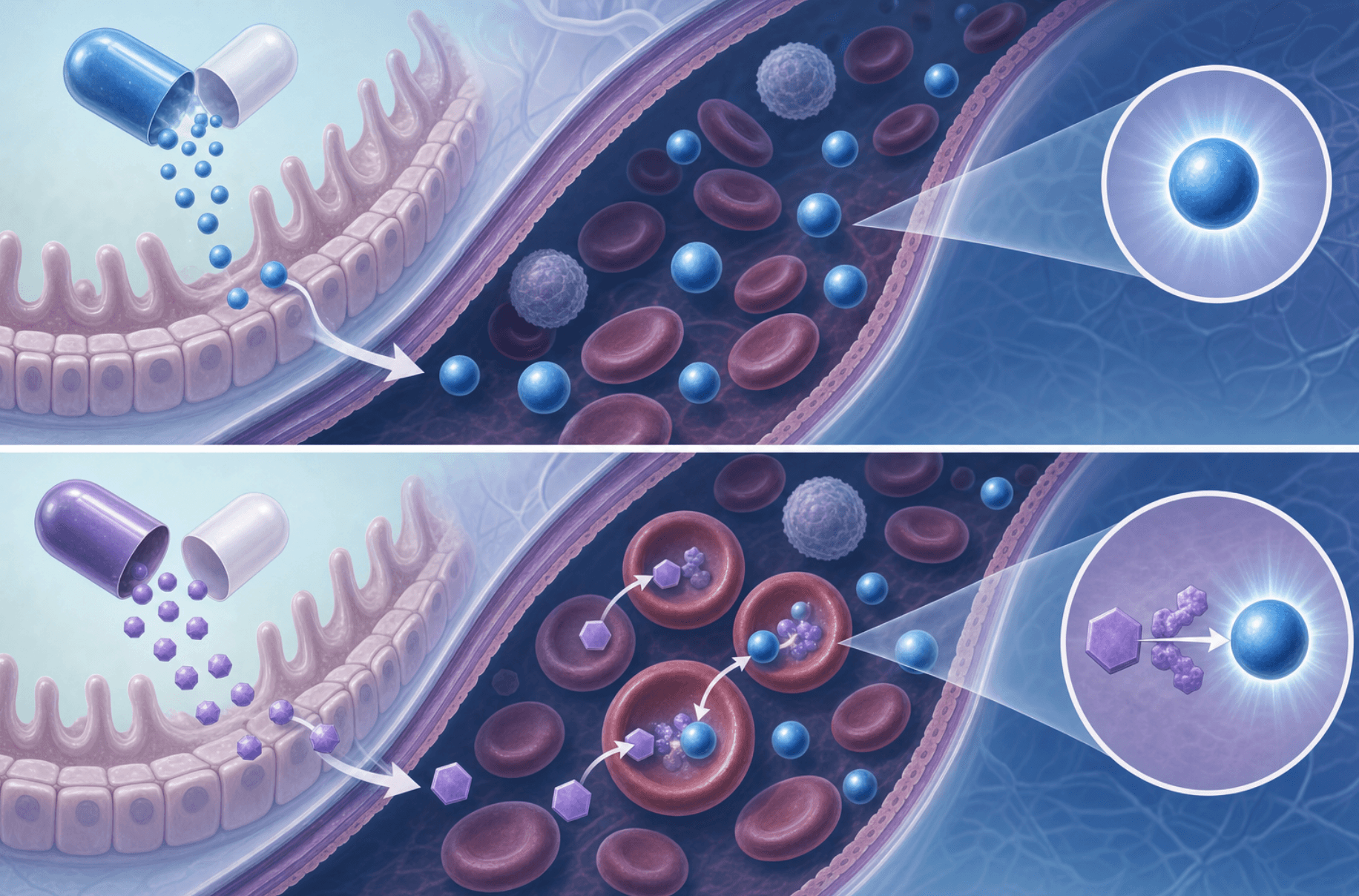
Vyvanse is a prodrug that converts in your blood, producing a smoother onset and gentler wear-off than Adderall.
Generic Adderall costs $30-60 per month; generic lisdexamfetamine became available in 2023 but may still cost more.
Both are Schedule II controlled substances, but Vyvanse's design makes it harder to misuse through non-oral routes.
Legion Health offers psychiatric care for Texas adults, with ADHD evaluations led by licensed clinicians.
The Vyvanse Adderall comparison keeps coming up because people need to know which one will actually cover their day without a mid-afternoon crash or keep them up at night. Both are stimulants, both treat ADHD, but the difference between Adderall and Vyvanse shows up in how they're absorbed and how long they stay active. We'll walk through the mechanics so you can go into your next appointment with a clearer sense of what might work for your routine and the trade-offs you're considering.
What Adderall and Vyvanse Are
Both Adderall and Vyvanse are prescription stimulants approved to treat ADHD. They work by increasing dopamine and norepinephrine activity in the brain, which can improve focus, reduce impulsivity, and help with follow-through on tasks.
Adderall contains a mix of amphetamine salts approved by the FDA and comes in two forms: an immediate-release version that lasts roughly four to six hours, and an extended-release version (Adderall XR) that can last up to twelve hours. Vyvanse contains lisdexamfetamine, a prodrug that the body converts into active amphetamine after it is absorbed.
How the prodrug design changes things
Lisdexamfetamine stays inactive until enzymes in the blood break it down, which means it only becomes active after passing through the digestive system. This conversion process produces a slower, steadier release compared to Adderall's more immediate onset.
That design also reduces misuse potential in a specific way: snorting or injecting lisdexamfetamine does not produce a faster or stronger effect, because the drug stays inactive until red blood cell enzymes convert it after oral absorption. That conversion step cannot be bypassed through a different route of administration.
Both medications require a careful evaluation before prescribing, and not everyone is a stimulant candidate.
How Each Medication Works in Your Body
Adderall contains two amphetamine salts: 75% dextroamphetamine and 25% levoamphetamine. Both forms enter your bloodstream quickly and start working within 30 to 60 minutes.
Vyvanse contains lisdexamfetamine, a prodrug. After you swallow it, enzymes in your red blood cells convert it into active dextroamphetamine. That conversion process takes time, producing a higher Tmax and a lower peak concentration than with immediate-release dextroamphetamine, which means the effects build more gradually and tend to last longer.
Why the prodrug design matters
Because Vyvanse requires that enzymatic step, it produces a smoother onset than Adderall. The peak is less abrupt, and the drop-off at the end of the day is typically gentler as well.
Adderall IR reaches peak blood levels in about 3 hours and lasts 4 to 6 hours. Adderall XR extends that to around 8 to 10 hours using a mixed-bead delivery system.
Vyvanse reaches peak dextroamphetamine levels in approximately 4.4 hours and can remain active for up to 14 hours in some people.
The prodrug mechanism also means Vyvanse cannot be easily misused by crushing or snorting it, since the conversion only happens through a specific metabolic pathway in the blood.
How Long Each Medication Lasts
Adderall IR (immediate-release) typically lasts 4 to 6 hours, which is why many people take it two or three times a day. Adderall XR, the extended-release version, stretches that to around 8 to 12 hours with a single morning dose.
Vyvanse works differently. Because it has to be converted in the body before it becomes active, the onset is slower, and the duration is longer. Most people get 10 to 14 hours of coverage from a single dose.
For practical purposes, this difference matters a lot:
Adderall IR offers greater flexibility in adjusting timing throughout the day, but it requires remembering multiple doses and can produce more noticeable peaks and drops in effect.
Adderall XR simplifies the schedule to once daily while still allowing some dose-timing control.
Vyvanse generally offers the longest and most consistent coverage, which can work well for people who need focus to extend into the evening or who find mid-day "wear-off" disruptive.
Neither duration profile is universally better. A clinician assessing you will weigh how long your day runs, whether you're sensitive to stimulant effects later in the day, and how you've responded to shorter-acting options in the past.
Attribute | Adderall | Vyvanse |
|---|---|---|
Active ingredient | Mixed amphetamine salts: 75% dextroamphetamine and 25% levoamphetamine | Lisdexamfetamine, a prodrug that converts to dextroamphetamine in the blood |
Duration of effect | Immediate-release lasts 4 to 6 hours; extended-release lasts 8 to 12 hours | Single dose lasts 10 to 14 hours after enzymatic conversion |
Onset pattern | Direct absorption produces a faster onset within 30 to 60 minutes with a more noticeable peak | Gradual conversion produces a slower, smoother onset with a less abrupt peak |
Available formulations | Immediate-release tablets and extended-release capsules in doses from 5 mg to 30 mg | Extended-release capsules only, in doses from 20 mg to 70 mg |
Generic availability and cost | Generic available since 2002; costs around $30 to $60 monthly without insurance | Generic lisdexamfetamine became available in 2023 but may still cost more than Adderall |
FDA-approved uses | ADHD in patients aged 3 and older; narcolepsy in patients aged 6 and older | ADHD in patients aged 6 and older; moderate-to-severe binge eating disorder in adults |
Misuse potential | Can be misused through non-oral routes due to the direct amphetamine content | Harder to misuse because conversion only happens through a specific metabolic pathway in the blood |
Available Forms and Dosing Options
Both Adderall and Vyvanse come in multiple formulations, and the differences between them matter when a clinician is building a treatment plan.
Adderall is available in two forms:
Adderall IR (immediate-release) comes in doses ranging from 5 mg to 30 mg and typically lasts 4 to 6 hours, so most people take it 2 to 3 times a day.
Adderall XR (extended-release) covers a longer window, usually 8 to 12 hours, and is taken once daily in the morning.
Vyvanse comes only in an extended-release capsule, available in doses from 20 mg to 70 mg. Because lisdexamfetamine must be converted in the body before it becomes active, the onset is more gradual, and the duration tends to run 10 to 14 hours for most people.
Dosing flexibility in practice
The availability of an immediate-release option gives Adderall more flexibility for people who need shorter coverage windows or who require a booster dose later in the day. Vyvanse does not offer a short-acting version, so clinicians working with patients who need tighter control over timing may weigh that carefully.
Vyvanse capsules can be opened and mixed into food or water, which can be useful for people who have difficulty swallowing pills. Adderall XR capsules can also be opened and sprinkled onto soft food, though the beads should not be chewed. A clinician can walk you through the right approach based on your specific formulation.
FDA-Approved Uses Beyond ADHD
Both Adderall and Vyvanse carry FDA approval for ADHD, but their approved uses part ways after that.
Adderall (immediate-release) is approved for ADHD in patients aged 3 and older, and for narcolepsy in patients aged 6 and older. Adderall XR, the extended-release version, is approved for ADHD across children, adolescents, and adults.
Vyvanse has a narrower ADHD approval, starting at age 6, but it holds a second indication that Adderall does not: moderate-to-severe binge eating disorder (BED) in adults. It is the only stimulant medication with that specific FDA approval.
Neither medication is approved for weight loss, despite how lisdexamfetamine's appetite-suppressing effects are sometimes discussed informally. A clinician prescribing either drug outside its approved indications is prescribing off-label, which occurs in practice but carries different documentation and monitoring expectations.
Side Effects and How They Compare
Both Adderall and Vyvanse carry the typical stimulant side effect profile, though the way each drug is absorbed shapes how and when those effects show up.
Shared side effects
Because both medications act on the same neurotransmitter systems, many side effects overlap:
Reduced appetite, often most noticeable around midday when the medication is at peak concentration
Trouble falling asleep, particularly if a dose is taken too late in the afternoon
Increased heart rate and blood pressure, which is why ongoing monitoring matters
Dry mouth, headache, and irritability, especially during the first few weeks of a new dose
Where they differ
The prodrug design of Vyvanse tends to produce a smoother onset and a more gradual decline in effect. For some people, the "wearing off" period feels less abrupt, with fewer mood crashes at the end of the day. Adderall's more direct release curve can make those transitions more noticeable.
Adderall is also available in an immediate-release formulation, which clears the system faster. That flexibility can be useful, but it also means side effects like appetite suppression may come on more sharply after each dose.
One practical difference: because Vyvanse must be converted in the body before it becomes active, taking more than prescribed does not reliably increase the effect, which is part of why it carries a somewhat different misuse profile than Adderall.
Neither medication is risk-free, and not everyone is a good candidate for stimulant medication. around 47% of adults with ADHD have a co-occurring anxiety disorder, which can affect how stimulants are tolerated. A clinician assessing you for ADHD can weigh your cardiovascular history, sleep patterns, and any co-occurring anxiety before recommending one over the other.
Potential for Misuse and Abuse
Both medications are classified as Schedule II controlled substances under federal law, meaning they carry recognized potential for dependence and are subject to strict prescribing and dispensing requirements.
Where they differ is in practical misuse potential. Because Vyvanse requires enzymatic conversion in the blood to become active, attempts to inhale or inject it do not produce the rapid onset that drives much of the abuse risk with traditional amphetamines. That pharmacological property is clinically meaningful, though it does not make Vyvanse risk-free or appropriate for everyone.
For someone with a personal or family history of substance misuse, a clinician may lean toward Vyvanse as one factor in the prescribing decision. That consideration rarely stands alone, though. Prescribing controlled medications requires a careful evaluation, and the full clinical picture, including current functioning, comorbid conditions, and support systems, shapes that judgment more than any single variable.
Generic Availability and Cost Considerations
Adderall has been available as a generic (amphetamine salts) since 2002, while Vyvanse's patent protection held until 2023, when the FDA approved lisdexamfetamine generics. That gap has historically made Adderall considerably cheaper out of pocket.
Without insurance, generic Adderall costs $30 to $60 monthly, depending on the pharmacy and dose. Generic lisdexamfetamine has become more accessible since 2023, though pricing varies and may still run higher than Adderall generics at some pharmacies.
With insurance, your actual cost depends on your plan's formulary. Some plans prefer one stimulant over the other, which can affect whether you need prior authorization or a step therapy requirement before coverage kicks in.
A few things worth knowing about cost and coverage:
Formulary placement matters more than list price. A medication your plan covers at a lower tier may end up cheaper than a generic your plan places at a higher tier or excludes.
Prior authorization is common for both, but may be more likely with Vyvanse given its history as a brand-only drug and higher cost relative to alternatives.
Manufacturer savings programs for branded Vyvanse have existed in the past, though eligibility requirements vary, and these programs do not apply to patients using government insurance.
Not everyone is a good candidate for stimulant medication, and prescribing controlled substances requires a careful evaluation and follow-up. Cost is one practical factor a clinician can help weigh when building a treatment plan that fits your situation.
Which Medication Might Be Right for You
Neither medication is universally better. The right fit depends on your history, how you respond to stimulants, your daily schedule, and what side effects you can tolerate.
A few patterns clinicians often consider:
Vyvanse may suit people who need smooth, all-day coverage without sharp peaks, or those who have had trouble with abuse or diversion on shorter-acting stimulants.
Adderall XR can work well when flexibility matters, since IR boosters are easier to add mid-day if needed.
Cost is a real factor. Generic amphetamine salts are widely available; generic lisdexamfetamine has been available since 2023, but may still cost more than Adderall generics depending on your plan.
No evaluation, no prescription. Controlled substances are prescribed only when clinically appropriate and may require additional steps, documentation, and ongoing monitoring. Not everyone is a good candidate for stimulant medication.
If you are a Texas adult and want to talk through your options with a licensed psychiatric clinician, scheduling an evaluation is a reasonable next step.
ADHD Care at Legion Health
Legion Health offers psychiatric care for Texas adults dealing with ADHD, anxiety, depression, and related conditions. Care is delivered by licensed psychiatric clinicians, including psychiatric nurse practitioners, who lead every visit. There are no AI doctors or algorithm-driven treatment plans. Your care is led by clinicians, not software.
For people seeking an Adderall vs. Vyvanse conversation that goes somewhere useful, the goal at Legion Health is a thorough evaluation first. ADHD treatment options may include stimulant or non-stimulant medications when clinically appropriate. Not everyone is a good candidate for stimulant medication. Controlled substances are prescribed only when clinically appropriate and may require additional steps, documentation, and monitoring.
Legion Health accepts most major insurance plans, though coverage varies by plan.
Final Thoughts on Comparing Adderall and Vyvanse
The right medication depends on how long you need coverage, how your body responds to stimulants, and what side effects you can manage. A clinician will weigh those factors along with your history before recommending one over the other. If you are a Texas adult and want to talk through your options, scheduling an evaluation with a licensed psychiatric clinician is a reasonable next step.
FAQ
Which medication lasts longer, Adderall or Vyvanse?
Vyvanse typically lasts 10 to 14 hours from a single dose, while Adderall IR lasts 4 to 6 hours and Adderall XR lasts 8 to 12 hours. The difference comes from Vyvanse's prodrug design, which requires enzymatic conversion in the body before it becomes active, resulting in a longer, more gradual effect.
What's the main difference between how Adderall and Vyvanse work?
Adderall contains amphetamine salts that enter your bloodstream directly, while Vyvanse is a prodrug that must be converted by enzymes in your blood before it becomes active. That conversion process produces a smoother onset and longer duration, and also makes Vyvanse harder to misuse by non-oral routes.
How much does each medication cost?
Generic Adderall costs $30 to $60 per month without insurance. Generic lisdexamfetamine became available in 2023 but may still cost more than Adderall generics. Your actual cost depends on your plan's formulary placement, which can affect whether you need prior authorization or step therapy before coverage starts.
How do I know which medication is right for me?
The right fit depends on your daily schedule, how you respond to stimulants, your history, and what side effects you can tolerate. A clinician assessing you will weigh factors like whether you need all-day coverage, how sensitive you are to medication later in the day, and whether you've had trouble with shorter-acting options in the past.
This article is for informational purposes and is not medical advice. If you think you may have symptoms of a mental health condition, a psychiatric evaluation can help.
How legion health Can Help You
If you’re in perimenopause or menopause and want guidance from clinicians who specialize in women’s midlife health, book a virtual visit with Legion Health today.
Hormonal changes are at the root of many symptoms women experience in the years before and after their periods stop.
Our trained menopause specialists help you connect the dots and guide you toward safe, effective solutions.
Whether you need personalized care or a prescription-based treatment plan to manage symptoms—including brain fog, hot flashes, sleep issues, mood swings, and weight gain—we’ve got you covered. Learn more here.
We're honored to support thousands on their journeys. Here's what some have shared: