Jan 15, 2026
Female ADHD Symptoms: A Complete Checklist for Women (January 2026)
Written by:

Arthur MacWaters
Co-Founder, Legion Health

TLDR:
ADHD in women often shows up as inattentiveness and internal restlessness, not classic hyperactive behavior.
Women frequently mask symptoms through coping strategies, leading to late diagnosis and burnout.
Effective treatment combines medication management with behavioral strategies tailored to your situation.
Legion Health provides psychiatric evaluations with objective testing included at no extra cost.
If you've ever felt like everyone else got a manual for staying organized and focused while you're just winging it, you're not imagining things. Many women spend years thinking they're just not trying hard enough, when in reality they're dealing with ADHD symptoms that were never identified. Because ADHD in women often looks like inattentiveness or internal restlessness instead of obvious hyperactivity, it's frequently overlooked until adulthood. This checklist helps you understand what to look for and when an evaluation might help.
Understanding ADHD in Women: Why Diagnosis Is Different
For decades, clinical understanding of ADHD focused on hyperactive boys, and many women went unnoticed until adulthood. While childhood diagnosis rates show a higher prevalence in boys, the gender gap narrows a lot among adults. This suggests many women manage symptoms privately during their developmental years, often through masking or coping strategies that lead to exhaustion.
Unlike the disruptive behavior often seen in males, female ADHD symptoms are frequently internal. Instead of physical hyperactivity, you might experience racing thoughts, inattentiveness, or emotional dysregulation. Understanding these differences is often the first step toward clarity and a care plan that fits your needs.
Core ADHD Symptoms in Women: A Complete Checklist
While diagnostic criteria remain consistent across genders, female ADHD symptoms often look different from the stereotypical hyperactive disruption seen in boys. In women, these traits often show up as inattentiveness or internalized restlessness. This ADHD in women checklist breaks down how these symptoms commonly appear in adulthood.
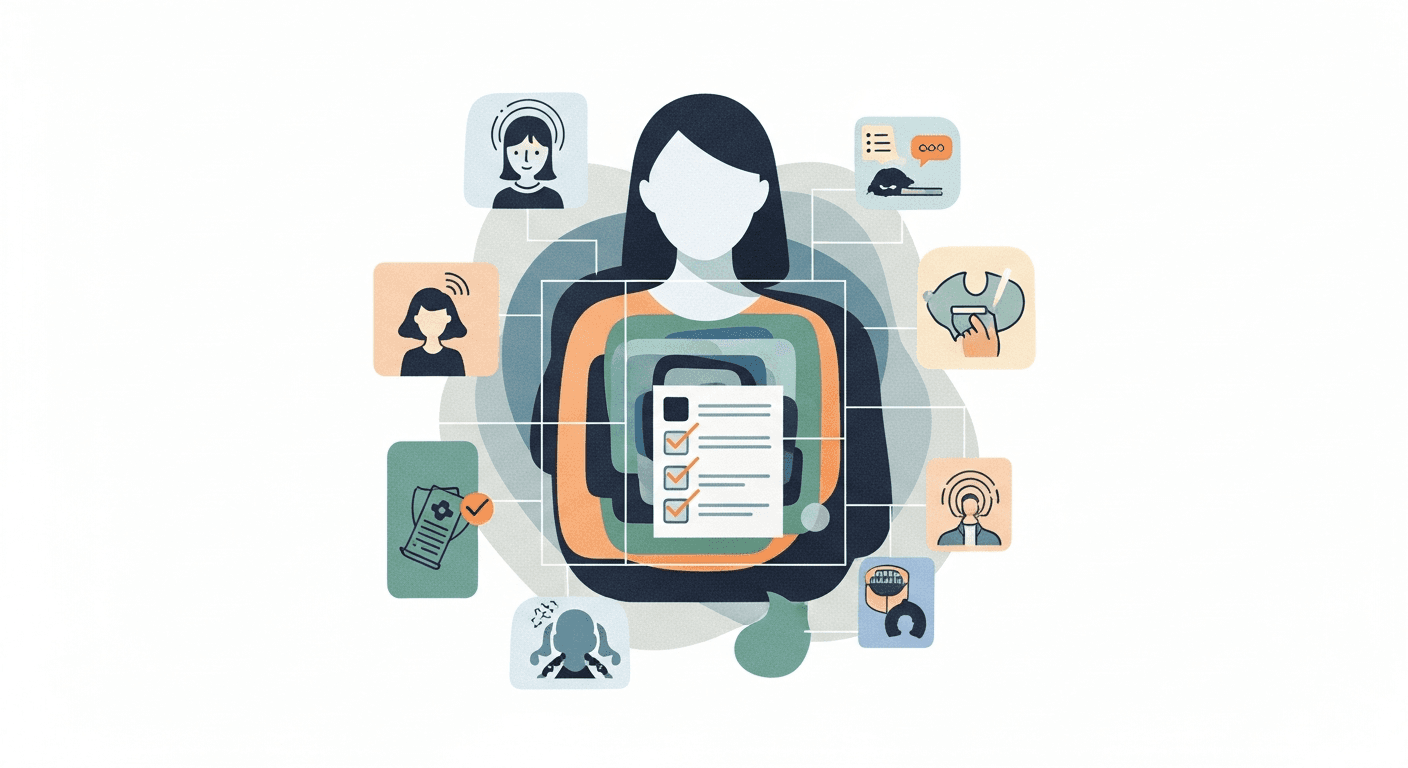
Inattentive Symptoms
Inattentive ADHD in women is the most common presentation. Instead of obvious hyperactivity, you may struggle with the mental organization needed for daily life.
Difficulty focusing on administrative or repetitive tasks
Chronic disorganization or clutter in living and workspaces
Frequently misplacing important items like wallets, phones, or keys
Time blindness, leading to consistent lateness or underestimating how long tasks take
Mental drifting or zoning out during conversations
Starting new projects with energy but struggling to complete them
Internalized Hyperactivity and Impulsivity
For many women, hyperactivity is more internal. This can feel like a busy mind that rarely settles, often described as high-functioning ADHD in women symptoms.
Racing thoughts or a constant internal monologue that is hard to quiet
Subtle fidgeting behaviors, such as hair twirling, skin picking, or foot tapping
Impulsivity in spending, eating habits, or sudden life decisions
Interrupting others during conversation due to a fear of losing the thought
A persistent sense of restlessness or an inability to relax without guilt
Emotional Dysregulation
Many ADHD female adult symptoms involve difficulty processing and managing emotions. You may feel reactions more intensely or struggle to return to a baseline state after a stressor.
Heightened sensitivity to perceived criticism or rejection
Low frustration tolerance or quick irritability
Feeling easily overwhelmed by sensory inputs like loud noises or bright lights
Fluctuating energy levels with cycles of hyperfocus followed by burnout
High-Functioning ADHD in Women: When Symptoms Hide in Plain Sight
While "high-functioning" is not a formal medical diagnosis, it describes a common pattern where external achievements hide internal struggles. Many women rely on high intelligence, anxiety, or perfectionism to compensate for executive function challenges. You may appear organized to the outside world, but keeping up that image often requires exhausting amounts of mental energy.
Because these coping strategies often hide high-functioning ADHD in women, diagnosis is often delayed until a crisis point. Common experiences include:
Relying on adrenaline or panic to finish tasks at the last minute
Obsessive list-making to compensate for forgetfulness
Experiencing high-functioning ADHD in females as private burnout
Inattentive ADHD vs. Hyperactive ADHD: What Women Experience Most
ADHD appears in three primary forms: inattentive, hyperactive-impulsive, and combined. Women are more likely to experience female inattentive ADHD symptoms. Because traits like distractibility, mental fog, and forgetfulness are often less disruptive to others than physical hyperactivity, they are often missed during childhood assessments.
This lack of early visibility often leads adults to internalize their struggles. Many women spend years viewing ADHD in women symptoms as personal failings, unfairly labeling themselves as unmotivated or "spacey". Recognizing that these challenges are symptoms of a condition, not character flaws, is often an important step in seeking a professional evaluation.
ADHD Presentation Type | Primary Characteristics | Common Symptoms in Women | Visibility to Others | Diagnosis Timing |
|---|---|---|---|---|
Inattentive ADHD | Difficulty with focus, organization, and mental processing | Chronic disorganization, time blindness, mental drifting during conversations, difficulty completing projects, frequently misplacing items | Low - symptoms are internal and less disruptive to others | Often missed in childhood; diagnosed in adulthood when coping strategies fail |
Hyperactive-Impulsive ADHD | Physical restlessness and impulsive decision-making | Excessive talking, difficulty sitting still, impulsive spending or eating habits, interrupting conversations, making sudden life decisions | High - symptoms are externally visible and may disrupt others | More likely to be identified in childhood due to observable behavior |
Combined ADHD | Mix of inattentive and hyperactive-impulsive symptoms | Racing thoughts paired with disorganization, internal restlessness with impulsive actions, difficulty focusing combined with fidgeting behaviors | Moderate - some symptoms visible, others internalized | Variable - depends on which symptoms are most common and whether masking occurs |
Internalized Hyperactivity (common in women) | Mental hyperactivity without obvious physical signs | Racing thoughts, constant internal monologue, subtle fidgeting like hair twirling or skin picking, restlessness without ability to relax | Very low - appears calm externally while experiencing internal distress | Frequently overlooked until adulthood; often mistaken for anxiety or perfectionism |
Autism and ADHD in Women: Understanding the Overlap
Many women looking into neurodivergence identify with traits of both conditions. Research indicates that 50 to 70% of individuals with autism disorder also have ADHD. When autism and ADHD in women coexist, the experience often involves conflicting needs, such as wanting strict routine while also struggling with impulsivity.
Common overlapping signs
Spotting autism and ADHD together symptoms means noticing where traits amplify each other. Frequent experiences include:
Sensory sensitivities that feel physically painful
Social fatigue caused by masking or suppressing natural behaviors
Special interests that are intense but change quickly due to attention difficulties
Executive dysfunction that persists even when other ADHD symptoms are managed
Why ADHD in Women Goes Undiagnosed Until Adulthood
If you are learning about ADHD in adulthood, you may wonder how it was missed. Historically, diagnostic criteria focused on hyperactive boys and often overlooked internal female ADHD symptoms like inattentiveness or emotional regulation. Many women also develop masking behaviors to meet social expectations, effectively hiding their struggles until a major life change like a new job or parenthood stretches their coping skills past the breaking point.
Misdiagnosis creates another barrier. Clinicians often mistake untreated ADHD for anxiety or depression, treating the secondary distress instead of the main driver. Recognition is improving. Research indicates that ADHD medication prescriptions for women increased 344 percent between 2003 and 2015, suggesting the gender gap in diagnosis is finally narrowing.
How ADHD Is Diagnosed in Women: The Evaluation Process
A female ADHD test or online ADHD quiz can be a helpful starting point, but these tools cannot replace a medical diagnosis. A detailed evaluation by a licensed psychiatric clinician looks beyond a simple score to understand the full context of your health history.
Your provider will look for evidence that symptoms have been present since childhood, even if they were masked by good grades or high intelligence. Because conditions like anxiety or trauma can mimic ADHD in adult female symptoms, a careful diagnostic process matters. This often includes detailed interviews and may include objective testing to measure attention against age-matched norms, so your clinician can better understand what is driving your symptoms.
Treatment Options for Women With ADHD: What Actually Works
Effective treatment for ADHD in women needs a personalized approach, often combining medication with behavioral strategies to support daily functioning.
Medication Management
Medication often plays a central role in ADHD in female adults treatment. Providers may discuss stimulants or non-stimulants depending on your medical history. There is no single “best” ADHD medication for female adults, as responses differ. Controlled substances are prescribed only when clinically appropriate and may involve additional steps, documentation, and monitoring.
The Hormonal Connection
Hormones can impact high-functioning ADHD in females treatment. Estrogen levels affect dopamine availability, which can change symptom intensity or how medication feels during your menstrual cycle. Clinicians consider these hormonal patterns to help keep your plan steady.
Non-Medication Strategies
If you are asking how to manage ADHD in women without medication, or looking for added support alongside medication, interventions like Cognitive Behavioral Therapy (CBT) can help build executive function skills. ADHD treatment for adults is a stepwise process and often requires adjustments to balance symptom relief with long-term well-being.
Getting Started With ADHD Care at Legion Health
Finding a provider who understands the nuance of female ADHD symptoms can be difficult. At Legion Health, our psychiatric clinicians are trained to look beyond surface-level traits and identify complex co-morbidities like anxiety or depression.
Accuracy is a priority. To support clinical judgment, our protocol includes QbCheck, a computerized objective test included at no extra cost. This data supports diagnostic confidence. We also accept major insurance plans to make ADHD treatment more accessible.
Controlled substances are prescribed only when clinically appropriate and may require additional steps, documentation, and monitoring.
Care that looks at the whole person, including possible co-morbidities
Objective testing via QbCheck included to support diagnostic accuracy
Insurance-friendly model that accepts most major plans to reduce out-of-pocket costs
If you want help making a plan, you can schedule a psychiatry visit.
Final Thoughts on ADHD Diagnosis and Care for Women
If you're asking whether treatment for ADHD in women might help, you’re already taking a meaningful step. Diagnosis involves more than a checklist; it is about understanding your full experience and building a plan that fits your life. Care works best when it is individualized, and you deserve support that takes your needs seriously.
FAQs
How do I know if my symptoms are actually ADHD or just stress and anxiety?
A psychiatric evaluation can help clarify this, as anxiety and ADHD often overlap or mimic each other. Your provider will look at when symptoms started, how they show up in different parts of your life, and whether they've been present since childhood even if they were masked by coping strategies.
What happens during an ADHD evaluation for women at Legion Health?
You'll meet with a licensed psychiatric clinician who will review your symptoms, history, and how ADHD traits affect your daily life. The evaluation includes QbCheck, a computerized objective test provided at no extra cost, which measures attention and impulsivity to support diagnostic accuracy alongside clinical judgment.
Can I get treated for ADHD if I also have anxiety or depression?
You'll meet with a licensed psychiatric clinician who will review your symptoms, history, and how ADHD traits affect your daily life. The evaluation includes QbCheck, a computerized objective test provided at no extra cost, which measures attention and impulsivity to support diagnostic accuracy alongside clinical judgment.
Does treatment for ADHD in women always involve medication?
No. Treatment plans are individualized and may include medication, behavioral strategies, or both. If medication is appropriate, your clinician will discuss stimulant and non-stimulant options based on your medical history, symptoms, and safety considerations. Controlled substances are prescribed only when clinically appropriate and require ongoing monitoring.
How long does it take to get an ADHD diagnosis and start treatment?
Most patients can schedule a first psychiatry visit within days. Diagnosis may happen in one visit or may need additional steps depending on clinical complexity and safety needs. If medication is recommended, your provider will explain the timeline, follow-up schedule, and any additional documentation or monitoring required.
We're honored to support thousands on their journeys. Here's what some have shared:

Really great experience. I got an appointment within a week and the doctor was really nice and professional and they scheduled my labs and everything in a timely manner. I was able to get them done locally and they reviewed them within the next 2 or 3 days with me over video conference. Really good experience!

Legion Health has been a great experience. Treat you like a person and design a custom plan to help your situation.

I’ve had a very positive and satisfying experience with Legion health and my provider, Blessing Ugbor. My needs have been met and my concerns have been addressed in a timely manner. I have been able to make contact easily and talk to real people 😊. I appreciate Legion Health for all the care and support I’ve received so far.

Really great and positive experience must try if you have been thinking about it

My first time using a teledoc. They simplified the process and my Dr. has been great. To say its been a great experience is an understatement. I highly recommend them.

They're great at communicating/meeting your needs
Related articles

Signs of Adult ADHD You Might Be Brushing Off (June 2026)
Adult ADHD Signs You're Missing (June 2026)

Concerta vs Adderall: Two Common ADHD Medications, Compared by Mechanism (June 2026)
Concerta vs Adderall: ADHD Meds Compared (Jun 2026)

How Stimulant Medications Work: Understanding Adderall, Vyvanse, and Ritalin (June 2026)
How Stimulant Medications Work (June 2026)