May 26, 2026
Wellbutrin for ADHD: What to Expect From This Off-Label Treatment (May 2026)
Written by:

Arthur MacWaters
Co-Founder, Legion Health
TLDR:
Wellbutrin is prescribed off-label for ADHD when co-occurring depression exists or stimulants cause side effects.
One controlled trial showed a 42% reduction in symptoms at six weeks, compared with 24% for placebo.
The medication takes 4 to 6 weeks to reach full effect, slower than stimulants.
Seizure risk is low at standard doses but increases with higher doses or certain conditions; the rate varies by formulation and is dose-dependent.
Legion Health offers virtual ADHD evaluations in Texas with FDA-cleared QbCheck testing included at no extra cost.
Your provider suggested Wellbutrin for ADHD treatment instead of a stimulant, and you're trying to understand what makes it different. Bupropion blocks the reuptake of dopamine and norepinephrine, the same chemicals involved in ADHD, but it takes several weeks to build up in your system and produce noticeable effects. The research shows it works for some people, especially those with co-occurring depression or anxiety, but the evidence is weaker than what exists for stimulants, and setting realistic expectations about the timeline matters if you're going to stick with it long enough to know whether it helps.
TLDR:
Wellbutrin is prescribed off-label for ADHD when co-occurring depression exists or stimulants cause side effects.
One controlled trial showed a 42% reduction in symptoms at six weeks, compared with 24% for placebo.
The medication takes 4 to 6 weeks to reach full effect, slower than stimulants.
Seizure risk is low at standard doses but increases with higher doses or certain conditions; the rate varies by formulation and is dose-dependent.
Legion Health offers virtual ADHD evaluations in Texas with FDA-cleared QbCheck testing included at no extra cost.
Why Wellbutrin Is Prescribed for ADHD
Wellbutrin, the brand name for bupropion, is an antidepressant that works differently from most others. It inhibits the reuptake of dopamine and norepinephrine, two neurotransmitters that often show impaired signaling in ADHD. That mechanism is why clinicians sometimes consider it when standard stimulant medications are not a good fit.
The FDA has approved Wellbutrin for depression and seasonal affective disorder, not ADHD. Any use for ADHD is off-label, which is legal and common in psychiatry. Off-label does not mean experimental; it means the drug was never formally submitted for that specific indication.
Why a clinician might choose it
There are several clinical situations where bupropion comes up as an option for ADHD:
A person has both depression and ADHD, and a single medication may help both conditions at once, making it worth reviewing the best online ADHD treatment services in Texas.
Stimulant medications caused intolerable side effects or were not effective.
There is a history of substance use disorder, which can complicate stimulant prescribing.
Anxiety or cardiovascular concerns make stimulants a less appropriate choice.
A child or adult has co-occurring conditions that change the risk-benefit picture.
Prescribing controlled medications requires a careful evaluation and follow-up. Not everyone is a good candidate for stimulant medication, and bupropion is one of several non-stimulant options a clinician may weigh during that process.
How Wellbutrin Works in the ADHD Brain
Wellbutrin (bupropion) works differently from stimulant ADHD medications like amphetamine salts (Adderall) or methylphenidate (Ritalin). While stimulants primarily target dopamine reuptake, bupropion inhibits the reuptake of both dopamine and norepinephrine, two neurotransmitters involved in attention, motivation, and impulse control.
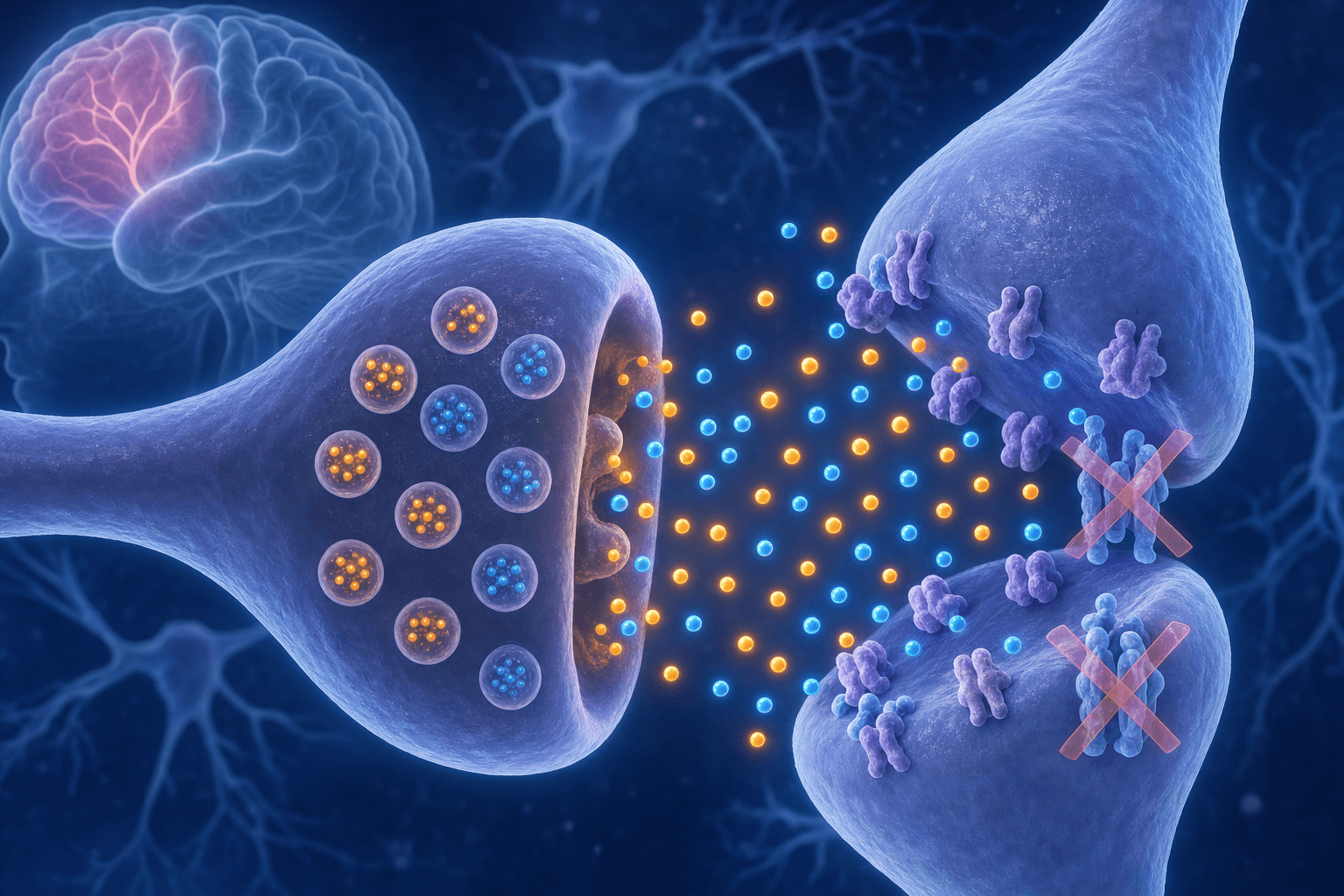
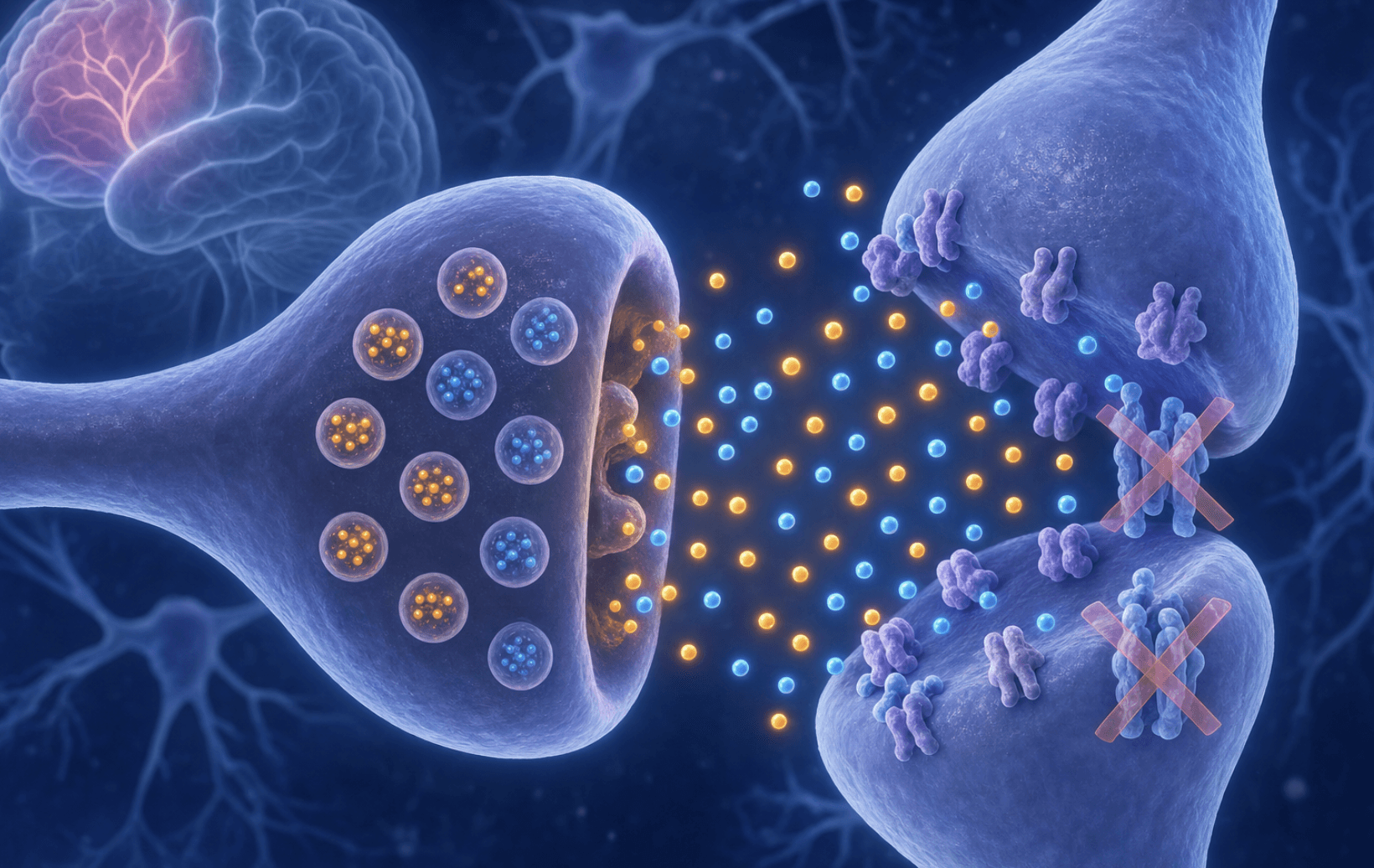
In the ADHD brain, dopamine and norepinephrine signaling in the prefrontal cortex tends to be less efficient. This region governs working memory, focus, and the regulation of behavior. By slowing the reabsorption of these neurotransmitters, bupropion increases their availability in the synaptic space, which may improve those functions over time.
How does this differ from stimulant mechanisms?
Stimulants act faster and more directly on dopamine pathways. Bupropion's effect is more gradual, which is part of why it can take several weeks to notice changes in ADHD symptoms.
It also has mild activity as a nicotinic acetylcholine receptor antagonist, which may contribute to its effects on attention, though this mechanism is less studied in the ADHD context.
Because bupropion is not a controlled substance, it does not carry the same regulatory requirements as stimulant medications, which makes it a consideration for people who may not be good candidates for stimulant treatment. Not everyone is a good candidate for stimulant medication, and prescribing controlled medications requires careful evaluation and follow-up.
What the Research Shows About Effectiveness
The clinical evidence for bupropion in ADHD exists, but it is limited. A Cochrane review found low-quality evidence that bupropion reduced ADHD symptom severity and increased the share of patients achieving clinical improvement. One controlled trial found bupropion associated with a 42% reduction in ADHD symptoms at week 6, compared to 24% for placebo.
That gap is real, though the evidence base is thinner and lower-quality than that for stimulants. Most trials are small. Bupropion does not appear in first-line ADHD treatment guidelines, but the data do support a genuine effect for some patients, particularly those who cannot tolerate or respond to stimulant medications or who have co-occurring conditions alongside ADHD.
Wellbutrin vs Stimulant Medications for ADHD
Stimulants remain first-line for ADHD because the evidence behind them is stronger and more consistent. A direct comparison helps clarify where each option fits.
Wellbutrin | Stimulants | |
|---|---|---|
Efficacy | Moderate; second-line | Larger, more consistent improvements |
Mechanism | Blocks reuptake of dopamine and norepinephrine | Increases release and blocks reuptake of dopamine and norepinephrine |
Schedule | Not a controlled substance | Schedule II controlled substance |
Onset | Several weeks | Often within days |
Common uses | ADHD with co-occurring depression or anxiety; stimulant intolerance | ADHD as a primary diagnosis without contraindications |
Weight | May support modest weight loss | Often causes appetite suppression and weight loss |
Seizure risk | Slightly higher, dose-dependent | Low at therapeutic doses |
Who tends to do better with Wellbutrin
Some people are not good candidates for stimulant medication, and for them, Wellbutrin may be a reasonable option to discuss with a psychiatric provider.
People with a history of stimulant misuse or substance use concerns, since Wellbutrin carries no controlled substance scheduling
Those with co-occurring depression or anxiety may benefit from a single medication treating multiple symptoms at once
People who experienced significant side effects on stimulants, such as elevated heart rate, sleep problems, or mood dysregulation
Adults for whom stimulants are contraindicated due to cardiovascular concerns
A licensed psychiatric clinician can help you weigh which approach fits your clinical picture.
Dosage and Formulations for ADHD
Bupropion comes in two long-acting forms relevant to ADHD treatment. SR (sustained-release) is typically taken twice daily, while XL (extended-release) is taken once daily. For someone already managing the focus challenges of ADHD, once-daily dosing can be easier to stick with.
Studies have tested doses ranging from 150 mg to 450 mg daily. Most clinicians start at 150 mg and titrate upward in 150 mg increments every few weeks, adjusting based on symptom response and tolerability. The most common therapeutic target is 300 mg/day, though some patients may go higher under clinical supervision.
Dose changes take time to assess. Because bupropion needs several weeks to reach steady state, your clinician will want to observe you at each dose level before increasing.
Timeline: How Long Wellbutrin Takes to Work for ADHD
Bupropion works on a slower clock than stimulants. Most people notice some initial changes within 3 to 7 days, but that early window rarely reflects the full picture. The medication typically takes 4 to 6 weeks to reach its full effect on ADHD symptoms.
"Give it at least a month before drawing conclusions" is a reasonable framing many clinicians use when starting patients on bupropion.
Stimulants, by contrast, often produce noticeable effects within hours. That difference matters when setting expectations. If you are two weeks in and feel little change, that is normal. Stopping too early is one of the more common reasons people conclude the medication is not working, when it may simply need more time.
What the timeline can look like week by week
Most people moving through the first several weeks on bupropion follow a rough pattern, though individual responses vary:
In the first week, you may notice mild changes in energy or sleep before any ADHD symptoms shift. Some people also experience side effects during this window, such as dry mouth or mild nausea, which often resolve on their own.
Around weeks two and three, some people begin noticing a modest improvement in focus or motivation, but this is not consistent across everyone.
By weeks four through six, the medication has typically reached a steadier concentration in the body, and ADHD-related changes become more apparent if the medication is going to work for you.
If you reach the six-week mark with no meaningful change, it is reasonable to follow up with your prescribing clinician to see whether a dose adjustment or a different approach makes sense.
Common Side Effects and Safety Concerns
Wellbutrin (bupropion) has a manageable side effect profile for most people, but knowing what to expect can help you decide whether it's worth discussing with a clinician.
The most commonly reported side effects include:
Dry mouth, which affects a meaningful portion of users and tends to improve after the first few weeks as your body adjusts to the medication.
Insomnia or sleep disruption, especially when doses are taken late in the day. Timing adjustments often help.
Headache and nausea, which are most common during the first one to two weeks and typically resolve on their own.
Increased heart rate or mild blood pressure changes, which your provider should monitor, particularly if you have a cardiovascular history.
Appetite suppression, which can lead to weight loss over time.
The Seizure Risk
The most serious safety concern with bupropion is seizure risk. At standard therapeutic doses, the risk is low, estimated at around 0.1% for the SR formulation at doses up to 300 mg/day, but it increases with higher doses. This is why doses above 450 mg per day are generally avoided, and why a single dose should not exceed 150 to 200 mg, depending on the formulation.
People with a history of eating disorders, seizure disorders, or alcohol dependence face a higher baseline risk and may not be good candidates for this medication.
A Note on Mood Changes
Some people report increased anxiety or irritability early in treatment. If symptoms worsen after starting or increasing your dose, contact your prescribing clinician before making any changes on your own.
Who Makes a Good Candidate for Wellbutrin
Wellbutrin tends to work best for people whose ADHD overlaps with other conditions that bupropion already has evidence for treating.
You may be a reasonable candidate if you have ADHD alongside a depressive disorder — for example, an adult presenting with both inattentive ADHD and a PHQ-9 score in the moderate range, where starting a stimulant alone would leave the depression unaddressed. People who want to avoid stimulants due to cardiovascular concerns (such as a documented arrhythmia or uncontrolled hypertension), a documented history of substance use disorder, or prior intolerance to stimulant side effects are another group that providers often consider for this option.
When Wellbutrin gets considered over stimulants
You have a co-occurring condition like depression or seasonal affective disorder that a stimulant would not treat.
Stimulant medications have caused intolerable side effects like significant appetite suppression, elevated heart rate, or anxiety.
You have a documented history of substance use disorder, which can make prescribing controlled medications more complex.
You are an adult with primarily inattentive ADHD and have not responded well to first-line options.
Wellbutrin is generally less studied in children with ADHD, so it is more commonly considered for adults. A licensed psychiatric clinician can help determine whether your symptom profile, medical history, and treatment goals make it a reasonable fit.
Getting Wellbutrin for ADHD: A Virtual Psychiatry Option in Texas
For Texas adults considering bupropion for ADHD, we offer virtual psychiatric evaluations built around the complexity this diagnosis often brings. Every ADHD evaluation includes QbCheck, an FDA-cleared computerized test that measures attention, impulsivity, and activity levels objectively, at no additional cost, as part of our comprehensive online ADHD testing approach. That data helps inform medication decisions alongside the clinical interview, rather than relying solely on self-report.
Our clinical team has particular experience treating ADHD alongside depression and anxiety, including combined-type ADHD presentations, which is exactly the profile where Wellbutrin tends to come up as a reasonable option. Dosing decisions are made individually, guided by clinical judgment and ongoing safety monitoring.
We accept most major Texas insurance plans, with most patients paying a typical specialist copay. New patient appointments are often available within days. Your care is led by clinicians, not software.
Book a psychiatric evaluation at app.legionhealth.com/portal/join/fit.
Final Thoughts on Whether Wellbutrin Is Right for You
If you're an adult with ADHD who also experiences depression or anxiety, or if stimulants have not worked well for you, bupropion for ADHD in adults may be an option worth exploring with a licensed clinician. The medication has real but moderate evidence, takes several weeks to show its full effect, and works best for people whose symptom profile aligns with what bupropion treats. Not everyone is a good candidate, and a careful evaluation helps determine whether it fits your clinical picture. The goal is to find a treatment approach that matches your needs, not to force a medication into a situation where it does not belong.
This article is for informational purposes and is not medical advice. If you think you may have symptoms of a mental health condition, a psychiatric evaluation can help.
FAQs
How long does Wellbutrin take to work for ADHD?
Most people need 4 to 6 weeks to notice the full effect on ADHD symptoms, though some early changes in energy may appear within the first week. Give it at least a month before drawing conclusions, as stopping too early is one of the more common reasons people conclude the medication isn't working when it may simply need more time.
Wellbutrin vs Adderall for ADHD?
Stimulants like Adderall work faster and have stronger, more consistent evidence for ADHD, but Wellbutrin can be a reasonable option if you have co-occurring depression, can't tolerate stimulant side effects, or have a history that makes controlled substances harder to prescribe. Wellbutrin takes several weeks to work, while stimulants often show effects within days.
Can Wellbutrin make ADHD worse?
Some people report increased anxiety or irritability, especially early in treatment or after dose increases. If your ADHD symptoms or mood worsen after starting Wellbutrin, contact your prescribing clinician before making changes on your own, as they may need to adjust the dose or consider a different approach.
What is the typical Wellbutrin dosage for ADHD?
Most clinicians start at 150 mg daily and increase in 150 mg increments every few weeks based on symptom response and side effects. The most common therapeutic dose is 300 mg per day, though some patients go higher under clinical supervision, and doses above 450 mg per day are generally avoided due to seizure risk.
Is Wellbutrin good for ADHD and anxiety?
Wellbutrin may help some people with both ADHD and co-occurring depression or anxiety, since it can work on multiple symptoms at once. However, some people experience increased anxiety on bupropion, so your psychiatric provider will weigh your specific symptom profile and monitor how you respond during the first few weeks.
We're honored to support thousands on their journeys. Here's what some have shared:

Really great experience. I got an appointment within a week and the doctor was really nice and professional and they scheduled my labs and everything in a timely manner. I was able to get them done locally and they reviewed them within the next 2 or 3 days with me over video conference. Really good experience!

Legion Health has been a great experience. Treat you like a person and design a custom plan to help your situation.

I’ve had a very positive and satisfying experience with Legion health and my provider, Blessing Ugbor. My needs have been met and my concerns have been addressed in a timely manner. I have been able to make contact easily and talk to real people 😊. I appreciate Legion Health for all the care and support I’ve received so far.

Really great and positive experience must try if you have been thinking about it

My first time using a teledoc. They simplified the process and my Dr. has been great. To say its been a great experience is an understatement. I highly recommend them.

They're great at communicating/meeting your needs
Related articles

Signs of Adult ADHD You Might Be Brushing Off (June 2026)
Adult ADHD Signs You're Missing (June 2026)

Concerta vs Adderall: Two Common ADHD Medications, Compared by Mechanism (June 2026)
Concerta vs Adderall: ADHD Meds Compared (Jun 2026)

How Stimulant Medications Work: Understanding Adderall, Vyvanse, and Ritalin (June 2026)
How Stimulant Medications Work (June 2026)