Jan 22, 2026
Beta Blockers for Anxiety: April 2026
Written by:

Arthur MacWaters
Co-Founder, Legion Health

TLDR:
Beta blockers help with physical anxiety symptoms such as a racing heart and tremors, not ongoing worry itself.
Propranolol is often taken 30–60 minutes before stressful events in the 10–40 mg range, based on your health and clinician guidance.
They tend to work best for situational anxiety (public speaking, interviews, performances), not as a primary treatment for chronic conditions.
Legion Health offers psychiatric evaluations to help decide whether beta blockers or another approach makes the most sense for your treatment plan.
Maybe you’ve noticed your body reacts intensely to stress, with a racing heart, sweating, or trembling, even when part of you knows there is no immediate danger. Beta blockers for anxiety are one option to help calm those physical symptoms without heavy sedation or a daily maintenance medication. They work by blocking adrenaline so your body stays steadier during specific events such as presentations, performances, or exams. If you want to know whether this type of medication fits your situation, a visit with a psychiatric clinician is the safest way to get a clear answer.
What Are Beta Blockers and How Do They Work for Anxiety

Beta blockers (beta‑adrenergic blocking agents) are medications originally developed for heart‑related conditions that clinicians sometimes prescribe off‑label to help with anxiety‑related physical symptoms. They do not change the deeper psychological patterns of worry, but they can be very effective at reducing the body reactions linked to the “fight or flight” response.
When you feel stressed, adrenaline binds to beta receptors in the heart and blood vessels, which can lead to a fast heart rate, sweating, or shaking. Beta blockers dampen this response by blocking those receptors, which keeps your heart rate more stable and can reduce visible trembling. Unlike SSRIs or benzodiazepines, beta blockers do not work by changing serotonin or GABA levels in the brain. They are usually used for short‑term, event‑based relief instead of as a core treatment for generalized anxiety disorder (GAD). Prescription patterns for this situational use have increased in recent years.
The Evidence Behind Beta Blockers for Anxiety Treatment
When thinking about beta blockers for anxiety, it helps to separate two questions: managing physical symptoms and treating the underlying condition. These medications are widely prescribed, but the research base for specific disorders such as social anxiety disorder or panic disorder is modest.
A systematic review of 3,068 records found no strong evidence that beta blockers perform better than placebos or benzodiazepines for social phobia or panic disorder. The findings support the idea that beta blockers mostly help with physical reactions such as heart palpitations or shaking hands and do not directly change the thought patterns that drive anxiety. Because of this, many clinicians view beta blockers as one tool for situational physical symptoms, not as a stand‑alone treatment for anxiety disorders.
When Beta Blockers May Be a Good Fit for Anxiety
Clinicians most often use beta blockers for situational anxiety where physical symptoms are the main concern. These medications can help with tremors or a pounding heart during specific events, and are usually taken “as needed” instead of every day.
Common scenarios include:
Beta blockers for public speaking anxiety to reduce voice shaking and visible nervousness.
Beta blockers for interview anxiety when someone feels physically unsettled before meeting with potential employers.
Beta blockers for exam anxiety to limit body symptoms that make it hard to focus.
Beta blockers for flying or driving anxiety, as long as the medication does not impair alertness.
In contrast, beta blockers for generalized anxiety disorder are rarely a main treatment, because GAD involves ongoing, internal worry more than brief surges of adrenaline. Similarly, beta blockers for social anxiety disorder may help with symptoms such as blushing or shaking, but they do not change the underlying social fears.
Propranolol Dosing and Timing for Anxiety
Propranolol is the beta blocker most commonly used for situational anxiety, but dosing always depends on individual factors such as heart health, other medications, and how sensitive you are to blood pressure changes. Clinicians usually start with the lowest dose that still provides benefit and often suggest a test dose at home so you can notice any dizziness or fatigue before using it for an important event.
Recommended Timing and Duration
For performance‑related anxiety, many clinicians recommend taking immediate‑release propranolol about 30–60 minutes before the stressful event. Its effects typically last around three to four hours, which often covers a presentation, meeting, or exam.
Common Dosage Ranges
Exact prescriptions vary, but typical ranges for situational use include:
10–20 mg: A common starting range for symptoms such as hand tremors or a racing heart.
40 mg: Sometimes used in select cases, but with a higher chance of fatigue or lightheadedness.
Frequency: Usually taken only when needed, not on a fixed daily schedule for anxiety.
It is important to follow your prescription directions closely and not exceed the total amount your clinician recommends for a 24‑hour period. Taking more than prescribed can lead to heart rate or blood pressure dropping too low.
Common Side Effects and Safety Considerations
Many people ask whether beta blockers are safe for anxiety. For most otherwise healthy adults, they are generally well tolerated when prescribed and monitored properly. Common side effects include fatigue, lightheadedness, cold hands or feet, and sometimes vivid dreams. There are real risks for some groups, though, so careful screening is important.
Heart and Breathing Considerations
Beta blockers reduce how hard the heart has to work. They do not inherently “weaken” the heart, but they can be dangerous for people with very slow heart rates or certain rhythm problems. They can also narrow airways, which is why clinicians often avoid them or use high caution in people with asthma or COPD.
Because these medications can mask early signs of low blood sugar, they are also used carefully in people with diabetes. Anyone with diabetes who is prescribed a beta blocker should get specific instructions on how to monitor for hypoglycemia.
Stopping suddenly after regular use can cause a rebound increase in heart rate or blood pressure, so clinicians usually recommend tapering instead of abrupt discontinuation.
Category | Details |
|---|---|
Side Effects | Dizziness, fatigue, cold hands, vivid dreams |
Risks | Asthma, COPD, bradycardia, masking hypoglycemia |
Stopping | Requires gradual tapering to avoid rebound |
Natural Approaches and Complementary Strategies
Many people look for a natural alternative to beta blockers for anxiety when they want to manage physical symptoms without prescription medication. Some supplements are marketed as “natural beta blockers,” but they do not bind to adrenaline receptors the way prescription beta blockers do.
Magnesium is sometimes discussed in this context because it supports muscle relaxation, but it is not a direct substitute for propranolol. L‑theanine is another option people mention for calming effects with low sedation, yet it still does not work like a true beta blocker. No supplement currently available qualifies as the “strongest” natural anxiety medication in a way that matches the effect of prescription drugs.
Behavioral techniques such as controlled breathing, grounding exercises, and therapy are often combined with or used instead of medication, depending on the severity of symptoms and the person’s goals. Before trying any supplement marketed as a natural beta blocker for performance anxiety, it is wise to discuss it with a clinician so you can avoid interactions and unrealistic expectations.
Beta Blockers vs Other Anxiety Medications
When comparing beta blockers vs SSRI for anxiety, the core difference is the target. SSRIs are daily medications meant to work on the neurochemical pathways involved in chronic anxiety and mood; they help with ongoing worry over time. Beta blockers focus on physical symptoms during specific moments by blocking adrenaline. They are typically used as situational tools, not as the main long‑term treatment for generalized anxiety disorders.
Benzodiazepines are another option used for acute anxiety, but they come with different risks. Both benzodiazepines and beta blockers can be taken as needed, but benzodiazepines can cause sedation, cognitive slowing, and dependence. Beta blockers usually do not impair thinking to the same degree and are often preferred in performance settings where clear thinking and alertness matter.
How to Discuss Beta Blockers With Your Healthcare Provider
To see whether beta blockers are safe for you, your clinician needs a clear picture of your health. Be ready to share medical conditions such as asthma, diabetes, heart rhythm problems, or low blood pressure, since these directly influence safety. Bring a full list of medications and supplements to check for interactions.
When describing your anxiety, it helps to be specific about physical symptoms, such as hand tremors or heart palpitations, and when they tend to appear. Practical questions you can ask include:
“How long before an event should I take the dose?”
“Should I try a test dose at home first?”
“What should I do if I feel dizzy or lightheaded?”
“How does this interact with my other prescriptions?”
“How often is it safe for me to take this?”
This kind of discussion helps you use the medication in a way that is safer and better aligned with your specific situation.
Getting Anxiety Care With Legion Health
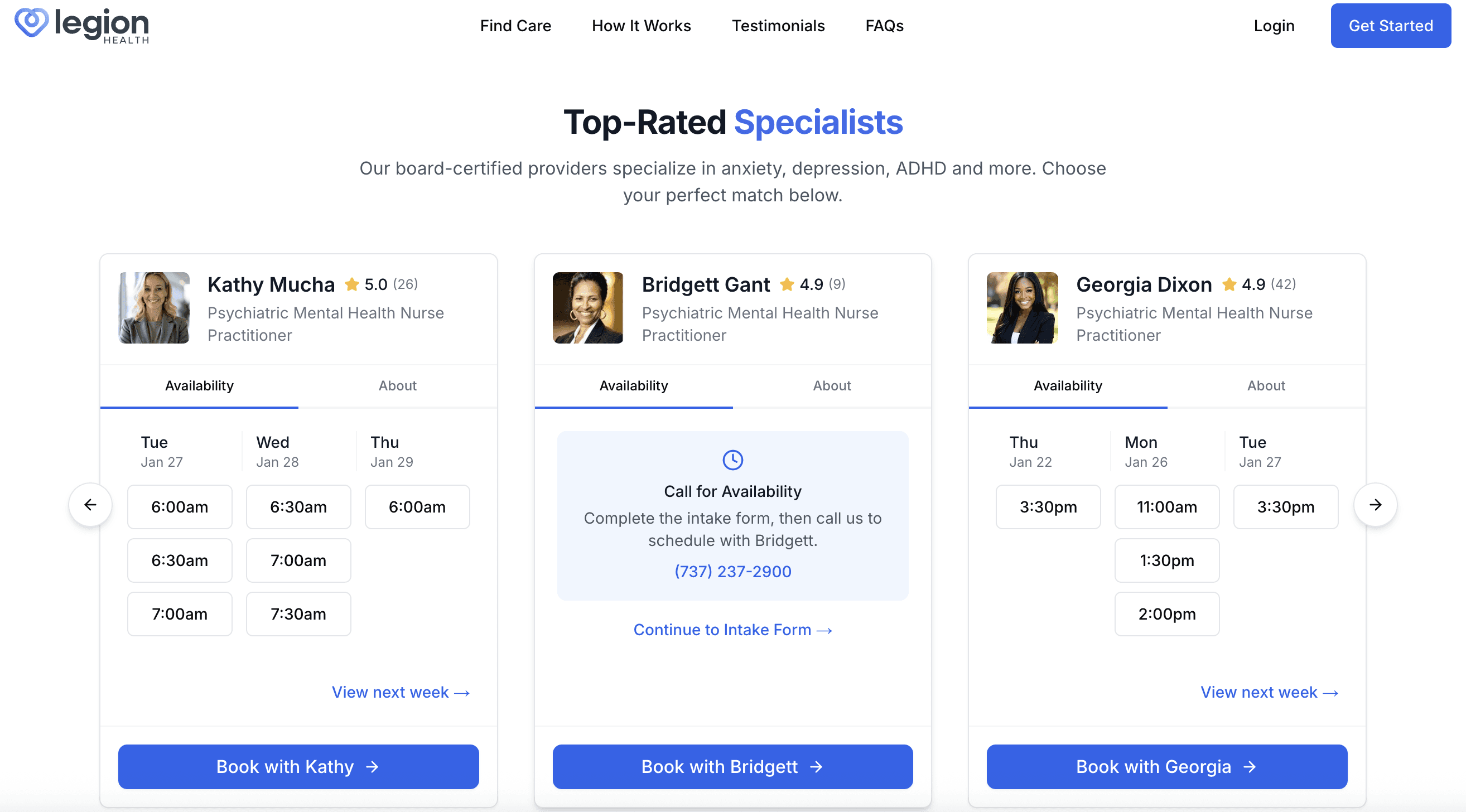
While beta blockers can help with physical reactions such as tremors or a pounding heart, treating anxiety usually requires a plan that also looks at mood, thoughts, sleep, and other conditions. At Legion Health, outpatient psychiatry is designed to help you understand the full picture.
When you schedule a visit, you meet with a board‑certified psychiatric clinician who reviews your medical history and current symptoms. Together, you can decide whether beta blockers for anxiety make sense alongside other tools such as SSRIs, therapy, or lifestyle changes. Legion Health accepts most major insurance plans in Texas and offers appointments within days, with systems built to keep follow‑ups and refills predictable.
Get a psychiatric evaluation to clarify your diagnosis and options.
Access insurance‑covered psychiatric care without months‑long wait lists.
Receive a treatment plan that is tailored to your needs and adjusted over time as needed.
If anxiety is affecting your daily life, a psychiatric evaluation is a strong next step. If you would like to talk with a licensed clinician about beta blockers or other options, you can see whether Legion Health is a fit and schedule a visit.
Final Thoughts on Managing Anxiety With Beta Blockers
Beta blockers for anxiety can be useful for managing physical reactions in specific situations, but they are not designed to treat chronic anxiety or worry by themselves. A psychiatric evaluation can help you understand whether this kind of medication fits your needs or whether other approaches might work better. Your clinician will look at your whole health picture and help you build a plan that fits your life, not a single event.
FAQs
Can I buy beta blockers over the counter for anxiety?
No. Beta blockers require a prescription from a licensed clinician. While some supplements are advertised as “natural beta blockers,” they do not block adrenaline receptors the way prescription medications such as propranolol do, and evidence for anxiety relief is limited.
How long before a stressful event should I take propranolol for anxiety?
Most clinicians recommend taking propranolol 30–60 minutes before a high‑pressure situation such as a presentation or interview. Immediate‑release propranolol often remains effective for about three to four hours, and many clinicians suggest trying a test dose at home first to see how you feel.
Are beta blockers a good long‑term treatment for generalized anxiety disorder?
Beta blockers are rarely the main treatment for generalized anxiety disorder because they focus on physical symptoms such as a rapid heartbeat and shaking, not the ongoing worry driving the condition. For chronic anxiety, clinicians usually look at SSRIs, SNRIs, therapy, or a combination of approaches that target deeper causes.
What is the difference between beta blockers and SSRIs for treating anxiety?
Beta blockers work by blocking adrenaline to calm physical symptoms during specific moments, while SSRIs are daily medications that change brain chemistry over time to help with chronic anxiety. Beta blockers are usually taken as needed for situational anxiety, and SSRIs are taken consistently as a long‑term treatment for generalized or persistent anxiety.
We're honored to support thousands on their journeys. Here's what some have shared:

Really great experience. I got an appointment within a week and the doctor was really nice and professional and they scheduled my labs and everything in a timely manner. I was able to get them done locally and they reviewed them within the next 2 or 3 days with me over video conference. Really good experience! Update after using this service for a few months: The provider is very punctual with appointments. I believe the provider was thorough in their assessment, ensuring my health and well-being, providing excellent advice, and remaining available to answer any questions. I am very satisfied with the service I have received.

I have been seeing Blessing since June and it has been an amazing experience. She is the first provider that has actually listened to me about my symptoms and how much they are affecting my life. She is helpful and is very cautious about which medications to prescribe so that we limit side effects. Overall I could not be happier! I have sent several friends to Legion and Blessing.

Excellent service

I have had great care. The staff is always available and they are very caring. When you are dealing with the stresses of life, it is good to know there are people who understand.

My provider listens to how I’m feeling and has truly made a significant impact on my mental health, specifically anxiety! It’s greatly reduced and I had lived my whole life full of worry! Grateful!!

I’m very pleased with the ease of use to book appointment and also the quality of care. Highly recommend !
Related articles

Physical Signs of Anxiety You May Be Missing (June 2026)
Signs of Anxiety That Feel Physical June 2026

Panic Attack Symptoms: What to Expect (June 2026)
Panic Attacks Explained | Legion Health June 2026

Hydroxyzine for Anxiety: Dosage & Side Effects (April 2026)
Hydroxyzine Anxiety Dosage Guide | Legion Health