

TLDR:
Adult ADHD can show up as chronic disorganization, time blindness, and hyperfocus cycles, not hyperactivity.
Around 75% of adults with ADHD have sleep problems that make every other symptom harder to manage.
Women are often diagnosed in their 30s or 40s because inattentive symptoms get missed for years.
Anxiety or depression treatment may bring limited relief if undiagnosed ADHD is the root cause.
Legion Health offers remote ADHD evaluations in Texas through licensed psychiatric clinicians.
It can feel like everyone around you remembers appointments, finishes what they start, and keeps their space organized without much effort. You set reminders, write things down, and still miss deadlines or lose track of what you were doing. It feels like a character flaw, but the pattern persists no matter how hard you try to fix it. Many adults live with signs of ADHD for years without recognizing them because adult ADHD does not look like hyperactivity or classroom disruption. It shows up as time blindness, chronic clutter, emotional reactions that seem disproportionate, and a brain that either locks into hyperfocus or drifts completely, with no middle ground. If you've been asking yourself,
What Adult ADHD Actually Looks Like
Many adults picture ADHD as a child bouncing off the walls in a classroom. The reality in adults looks quieter and often more confusing, with adult diagnosis rates increasing from 6.1% to 10.2% over the last two decades.
Adult ADHD tends to show up as chronic disorganization, trouble finishing what you start, and a restless mental hum that makes sustained focus feel like holding water in your hands. Hyperactivity often moves inward: instead of running around, it becomes racing thoughts, interrupting, or cycling between tasks without completing any of them.
Some common ways adult ADHD signs appear across daily life:
Procrastinating on tasks that require sustained mental effort, then scrambling under deadline pressure because urgency is the only thing that activates focus
Losing track of conversations, misplacing items repeatedly, and forgetting appointments even when they were written down
Starting multiple projects with genuine enthusiasm, then abandoning them once the novelty fades and sustained effort is required
Feeling overwhelmed by ordinary demands in a way that seems disproportionate to what is actually on your plate
None of these experiences are character flaws or laziness. They reflect how the ADHD brain manages attention and motivation, which works differently than most people expect.
Adult ADHD sign | How it shows up in daily life |
|---|---|
Chronic disorganization | Surfaces accumulate objects without designated homes, digital spaces mirror physical clutter, and important items go missing repeatedly despite efforts to stay organized |
Time blindness | Consistently underestimating how long tasks take, struggling to feel urgency until deadlines are physically present, and missing appointments despite knowing they existed |
Emotional dysregulation | Small frustrations trigger intense shame, anger, or tearfulness that feels overwhelming, fades quickly, and leaves confusion about why the reaction was so strong |
Hyperfocus cycles | Locking into tasks for hours while skipping meals and losing track of time, then struggling to send a simple email the next day when novelty fades |
Relationship strain | Zoning out mid-conversation reads as disinterest, forgetting discussions feels like proof you do not care, and impulsive comments skip the usual filter before speaking |
Sleep disruption | Racing thoughts at bedtime, difficulty winding down consistently, trouble waking up, and poor sleep that makes every other symptom harder to manage |
Chronic Disorganization and Clutter You Keep Ignoring
Disorganization shows up differently in adults with ADHD than most people expect. It often has less to do with laziness or indifference, and more to do with how the brain processes time, priority, and the effort required to start a task.
A recurring pattern: a pile of papers sits untouched for weeks not because it was forgotten, but because approaching it triggers overwhelm before anything begins. That friction shows up across physical and digital spaces:
Surfaces accumulate objects that "don't have a home yet," and finding that home keeps getting pushed back because it requires decisions the brain resists making in the moment.
Digital spaces mirror the physical ones: inboxes with thousands of unread messages, downloads folders that function as a catch-all, half-finished files scattered across desktops.
Important items go missing repeatedly, not due to carelessness, but because putting something "somewhere safe" bypasses a working memory system that does not reliably store the location.
The clutter itself can then make the underlying attention difficulties worse. A crowded environment pulls focus in multiple directions, so the disorganization that started as a symptom of ADHD can become a condition that feeds back into it.
If your space and your systems feel chronically out of control despite repeated attempts to fix them, that pattern may be worth discussing with a clinician.
Time Blindness and the Appointments You Always Miss
People with ADHD often have a distorted sense of time that goes beyond running a few minutes late. Many experience what clinicians call "time blindness," a difficulty perceiving how much time has passed or how long a task will actually take.
The practical result: appointments get missed, deadlines arrive as surprises, and the gap between "I'll leave in five minutes" and actually leaving stretches into thirty. You knew the appointment existed. You simply lost track of when "now" was relative to when you needed to go.
This shows up across several recognizable patterns:
You consistently underestimate how long routine tasks take, so preparation time disappears before it begins.
You struggle to feel urgency until a deadline is almost physically present, which makes planning ahead feel genuinely difficult, not a matter of willpower.
Transitions between tasks feel jarring or hard to initiate, so switching from what you are doing to what you need to do requires more effort than it seems like it should.
Time blindness can look like carelessness to the people around you, and over time it can generate real shame. Missing a medical appointment, a meeting, or a friend's event carries social and practical costs that accumulate. If this pattern feels familiar across years instead of only recent weeks, it may be worth talking to a clinician about whether something structural is driving it.
Emotional Outbursts That Feel Out of Your Control
Small frustrations can trigger outsized reactions in adults with ADHD. A delayed text, a misplaced item, or a passing critical comment can set off shame, anger, or tearfulness that feels physically overwhelming and fades within minutes, leaving you confused about why it hit so hard.
This pattern has a name: rejection sensitive dysphoria (RSD). Clinical observations by Dr. William Dodson, reported in ADDitude Magazine, describe it as one of the most commonly observed and disruptive features of ADHD in adults.
The emotional intensity often does not match the size of the event, which can confuse both the person experiencing it and the people around them. That mismatch leads many adults to write off the pattern as a personality flaw, a stress response, or anxiety instead of something connected to ADHD.
The Hyperfocus That Feels Like Productivity (Until It Isn't)
You can lock in on a task for four hours straight, skipping meals and losing track of time entirely, then struggle to send a two-sentence email the next day.
That gap is hyperfocus, and it trips people up because it looks nothing like what most people picture when they think of ADHD. How can someone with attention problems concentrate that deeply?
ADHD does not mean a permanent shortage of attention. It means attention regulation is unreliable. Hyperfocus happens when a task triggers enough interest or urgency that the brain's reward system engages fully. The problem is that this is not a choice you can replicate on demand. Routine tasks, low-stakes work, and anything that feels obligatory rarely meet that threshold, no matter how important they actually are.
A few patterns worth recognizing:
Projects started with intense enthusiasm get abandoned the moment novelty wears off, leaving a trail of half-finished work that accumulates over months.
Hours disappear inside a single absorbing task while deadlines, meals, and other obligations go unnoticed in the background.
The productivity from a hyperfocus session can feel like proof the ADHD concern is wrong, making it harder to take the pattern seriously.
A clinician assessing you for ADHD will ask about both ends of this spectrum, including the hyperfocus sessions and the scattered moments.
Relationship Patterns You Keep Blaming on Something Else
Zoning out mid-conversation reads as disinterest to a partner who does not know what is happening. Forgetting a discussion that mattered feels like proof you do not care. An impulsive comment skips the filter most people use before speaking, and it lands harder than you intended.
These patterns build into a relationship story about compatibility or communication style, when the actual driver is attention regulation. Trust erodes through repeated forgetfulness, and intimacy gets strained by emotional reactions that feel outsized and confusing to both people involved.
Why Women Often Go Undiagnosed Until Their 30s or 40s
women with ADHD are diagnosed later, often not until their 30s or 40s. A large part of this comes down to how ADHD has historically been studied and described, with research samples skewed heavily male.
Women more often show inattentive symptoms instead of hyperactive ones. Daydreaming, disorganization, and trouble finishing tasks read as personality traits instead of a medical condition, so they go unquestioned for years.
How masking delays diagnosis
Many women also learn early to hide their struggles. They over-prepare, ask friends to repeat information, or build elaborate systems to compensate for what their brain does not do automatically. From the outside, it looks like they are coping fine.
The cost of that masking often shows up elsewhere: anxiety, exhaustion, low self-esteem, and a persistent sense of falling short despite working twice as hard as everyone around them.
Hormonal changes add another layer. Estrogen interacts with dopamine regulation, which means symptoms can worsen around menstruation, postpartum periods, and perimenopause. Many women seek help at these points, only to be assessed for mood disorders without anyone asking whether ADHD was driving the instability all along.
If any of this sounds familiar, a proper evaluation with a clinician who understands how ADHD presents in women can help clarify what is actually going on.
Sleep Problems That Make Everything Worse
Most adults with ADHD sleep poorly, and the reasons go beyond bad habits. Racing thoughts at bedtime, difficulty winding down, and trouble waking up are all common parts of the condition itself.
Research suggests that around 75% of adults with ADHD have difficulty falling asleep at a consistent time, often because the brain stays in a heightened state long after the day ends.
Poor sleep then makes every ADHD symptom harder to manage. Attention drifts further, emotional regulation gets thinner, and tasks that were already difficult feel close to impossible. The sleep problem and the ADHD symptoms feed each other in a loop that can be hard to untangle without support from a clinician who sees both pieces.
When Anxiety and Depression Are Actually Part of ADHD
Many adults who live with undiagnosed ADHD spend years being treated for anxiety or depression instead. That's not a misdiagnosis in the simple sense: anxiety and depression can be real and present. But when ADHD is the root cause, treating only the mood symptoms often brings limited relief.
The restlessness that looks like generalized anxiety may come from an overwhelmed executive function system, not a primary anxiety disorder. The low mood that looks like depression may come from years of missed deadlines, strained relationships, and the steady accumulation of feeling like you're falling short.
When ADHD goes unrecognized, the secondary effects can be substantial. A clinician assessing you for mood symptoms alone may miss the pattern underneath, and the treatment plan gets built around the wrong picture.
If you've tried anxiety or depression treatment without much improvement, it may be worth asking whether ADHD has been properly ruled out.
When a Psychiatric Evaluation Makes Sense
If several of the signs in this post feel familiar, a psychiatric evaluation can help clarify what's actually going on. ADHD in adults is frequently missed or misattributed to stress, personality, or anxiety, so a formal assessment matters more than a self-quiz.
A clinician can assess whether your symptoms fit an ADHD pattern, whether something else explains them better, or whether both are present. Many adults with ADHD also live with anxiety or depression, and a good evaluation accounts for that overlap.
If you're in Texas and want an assessment, a licensed psychiatric clinician can help you figure out next steps.
Getting ADHD Care in Texas: What Legion Health Offers
If you're in Texas and think you might be dealing with undiagnosed ADHD, Legion Health offers psychiatric evaluations conducted by licensed psychiatric clinicians, including psychiatric nurse practitioners.
Care is fully remote, so you can schedule and attend visits without taking time off work or arranging transportation. Most major Texas commercial insurance plans are accepted, and many people pay around a typical specialist copay.
After your evaluation, your clinician builds a treatment plan for your presentation, with treatment options including stimulant or non-stimulant medications when clinically appropriate. Not everyone is a good candidate for stimulant medication. Prescribing controlled medications requires a careful evaluation and follow-up, and treatment plans are individualized for each person.
Your care is led by clinicians, not software.
Final Thoughts on Adult ADHD Signs
Adult ADHD often hides in plain sight as disorganization, forgetfulness, or emotional intensity that never quite resolves. If you recognize yourself in several of these patterns and they have been present for years, a psychiatric evaluation can help determine whether ADHD is part of what you're dealing with. For Texas adults, Legion Health offers remote evaluations with licensed psychiatric clinicians who look at ADHD alongside co-occurring conditions when both are present. Your care is led by clinicians, not software.
FAQ
Can I build my entire life around productivity systems and still have ADHD?
Yes. Many adults with ADHD, especially women, build compensation strategies that work well enough to mask symptoms for years. These can look like color-coded planners, a rigid morning routine, asking a friend to repeat everything important, or leaving three times as many calendar alerts as anyone else would need. The systems often hold until something changes: a new job, a relationship, a baby, perimenopause, or simply an increase in how much is being asked of you at once.
When the system starts slipping, it tends to feel like a personal failure, not a capacity limit being exceeded. The effort required to keep the workarounds running is itself exhausting, and the anxiety that builds around maintaining them can look like an anxiety disorder when ADHD is the actual driver. If you have spent years building systems just to stay baseline functional, and those systems are starting to cost more than they give back, that pattern is worth discussing with a clinician.
Adult ADHD symptoms vs just being busy and overwhelmed?
ADHD symptoms persist across contexts and years, even when life isn't particularly stressful. If you consistently lose track of conversations, abandon projects once novelty fades, and feel disproportionately overwhelmed by ordinary demands even when your schedule clears, those patterns may reflect how your brain manages attention instead of external pressure alone.
What's the main difference between how ADHD looks in women vs men?
Women are more likely to show inattentive symptoms (daydreaming, disorganization, and trouble finishing tasks) instead of hyperactive ones, so their struggles get misread as personality traits instead of a medical condition. Many women also develop masking strategies early, hiding symptoms through over-preparation and compensatory systems, which delays diagnosis until their 30s or 40s when those systems break down under increased demands or hormonal changes.
How do I know if my anxiety is ADHD or an actual anxiety disorder?
When ADHD goes unrecognized, the restlessness and overwhelm it creates can look like generalized anxiety, and years of missed deadlines and strained relationships can produce real secondary anxiety or depression. A clinician assessing you for mood symptoms should also ask whether ADHD has been properly ruled out, because treating anxiety alone often brings limited relief when ADHD is the root cause.
Should I seek an ADHD assessment if I've already tried anxiety treatment without much improvement?
If you've tried anxiety or depression treatment without seeing much improvement, it may be worth asking whether ADHD was ruled out during your initial assessment. Many adults live with undiagnosed ADHD for years while being treated for mood symptoms alone, and a proper psychiatric evaluation can clarify whether ADHD is part of the picture or whether something else explains the pattern better.
This article is for informational purposes and is not medical advice. If you think you may have symptoms of a mental health condition, a psychiatric evaluation can help.
How legion health Can Help You
If you’re in perimenopause or menopause and want guidance from clinicians who specialize in women’s midlife health, book a virtual visit with Legion Health today.
Hormonal changes are at the root of many symptoms women experience in the years before and after their periods stop.
Our trained menopause specialists help you connect the dots and guide you toward safe, effective solutions.
Whether you need personalized care or a prescription-based treatment plan to manage symptoms—including brain fog, hot flashes, sleep issues, mood swings, and weight gain—we’ve got you covered. Learn more here.
We're honored to support thousands on their journeys. Here's what some have shared:
Related articles

Concerta vs Adderall: Two Common ADHD Medications, Compared by Mechanism (June 2026)
Concerta vs Adderall: ADHD Meds Compared (Jun 2026)

How Stimulant Medications Work: Understanding Adderall, Vyvanse, and Ritalin (June 2026)
How Stimulant Medications Work (June 2026)
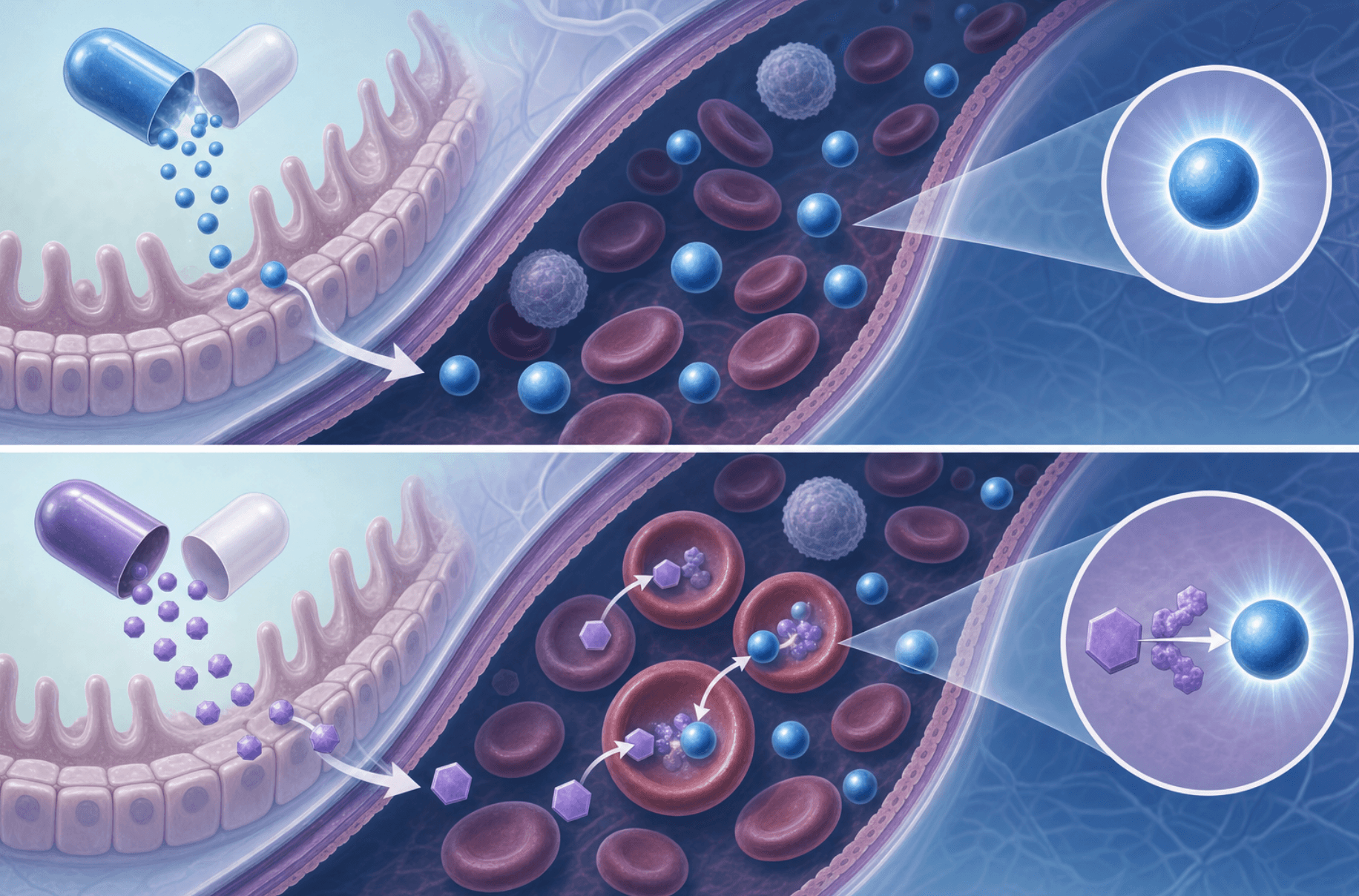
Adderall vs. Vyvanse: Key Differences Explained (June 2026)
Adderall vs Vyvanse Differences (June 2026)